Three Months In: Notes on Adjusting to Spanish Time
A short first-person journal entry on the hardest part of moving to Spain — not the paperwork, but the clock. Lunch at three, dinner at ten, and learning to let go.
Three months in, and the thing I underestimated wasn't the bureaucracy or the language. It was the clock.
I arrived assuming "Spanish time" was a cliché — a loose way of saying people run a bit late. It isn't a cliché. It's a genuinely different daily architecture, and for the first few weeks I kept colliding with it like a man walking into a glass door he's sure isn't there.
The day starts later and ends much later
Back home, my day had a tidy shape: breakfast, work, lunch at noon, dinner at seven, asleep by eleven. Here, none of those pegs land where I expect. The morning is unremarkable, but lunch — the meal, the big one — doesn't happen until two or three. Shops in smaller towns still close in the afternoon. And dinner? Restaurants barely stir before nine, and the tables around me filled up at ten with whole families, children included, perfectly awake.
For the first month I was permanently slightly out of phase. Hungry at the wrong times. Standing outside locked shops. Finishing dinner just as everyone else arrived.
What finally clicked
The shift came when I stopped treating the schedule as an obstacle and started treating it as information. The late lunch isn't inefficiency; it's the day's centre of gravity. Everything bends around a real, unhurried midday meal — and once I let mine move too, the long evening stopped feeling like staying up late and started feeling like having more day.
I also stopped fighting the pace of things. The gestoría would call when it called. The neighbour's "ahora mismo" — right now — meant something between five minutes and never, and getting annoyed about it only made me the annoyed one. There's a generosity in it once you give in: time is treated as something to be spent on people, not optimised.
The small adjustments
A few concrete things that helped:
- I moved my own lunch to 2pm and made it the proper meal. Energy levels stopped crashing.
- I stopped scheduling anything important for the early afternoon.
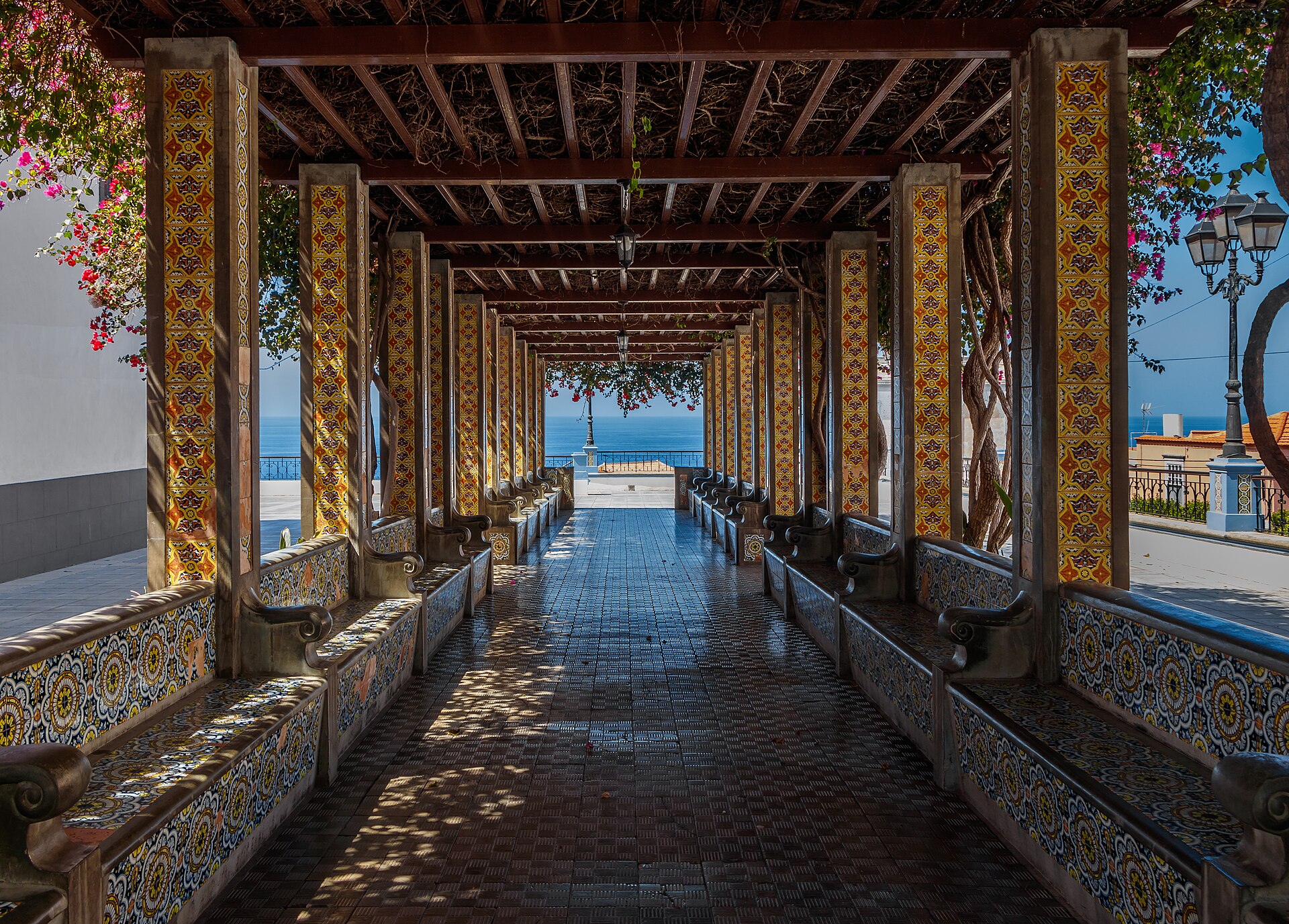
- I started taking the evening paseo — the aimless after-dinner walk — and discovered it's where half the town's social life happens.
Still adjusting
I won't pretend I've fully recalibrated. I still get hungry at seven and have to talk myself down. I still occasionally turn up to things bafflingly early. But three months in, the glass door is mostly gone. I've stopped asking when things are supposed to happen and started noticing when they actually do.
It turns out moving country is less about learning a new place than unlearning the rhythm of the old one.