How Spain's Train System Actually Works (Renfe vs Iryo)
Spain's high-speed rail is excellent and a little confusing. Here's how AVE, Avlo, Iryo and Ouigo differ, how to book cheaply, and which trains to choose for which trip.
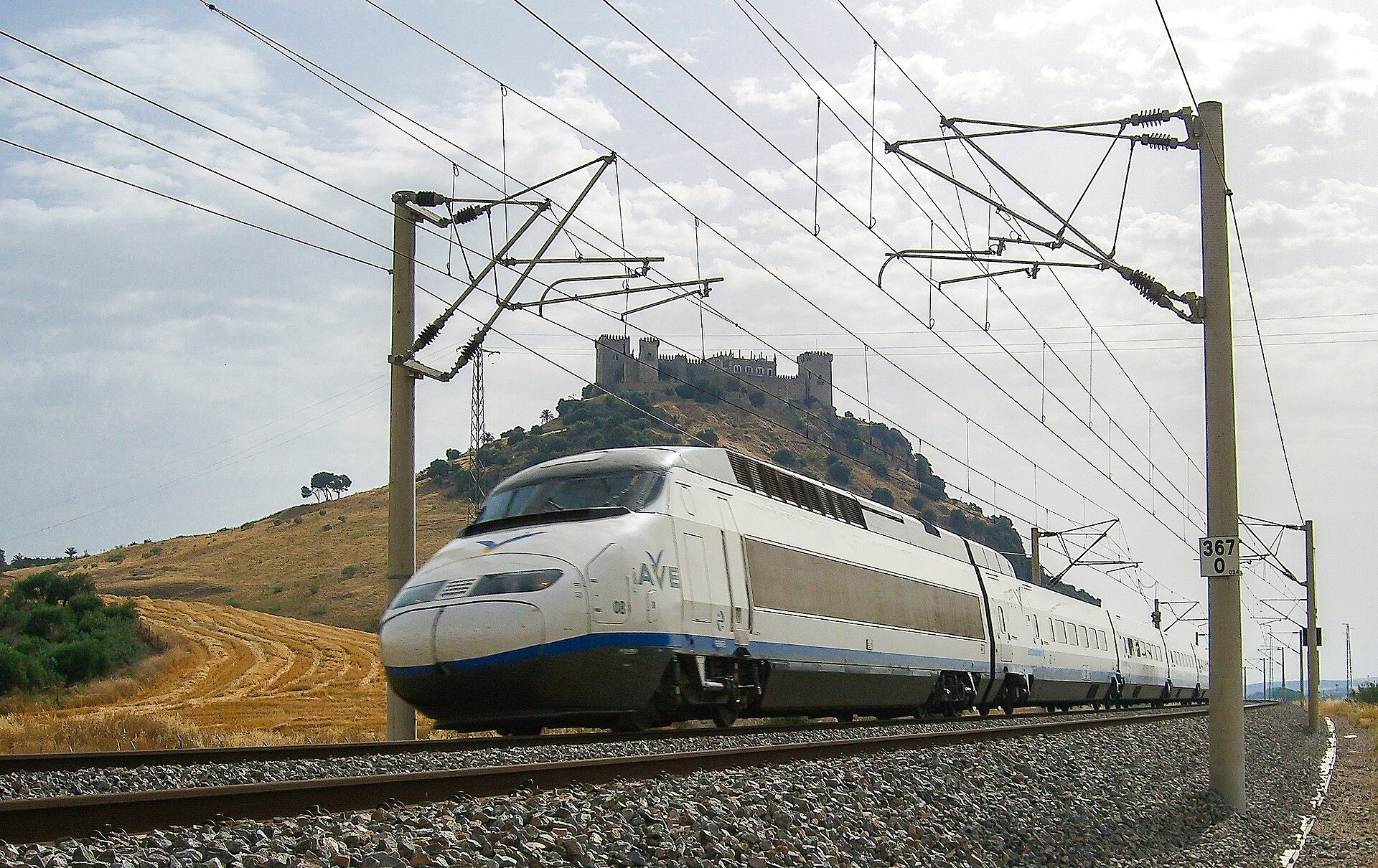
Spain has one of the best high-speed rail networks in the world — and, since the market opened to competition, one of the more confusing booking landscapes. Three operators now run trains on the same fast lines, with overlapping brands and wildly different prices for what is sometimes the same journey. Once you understand the structure, it's genuinely great. Here's the map.
The operators
There are three companies you'll encounter on the main high-speed corridors (Madrid–Barcelona, Madrid–Valencia, Madrid–Seville/Málaga):
Renfe — the incumbent
Spain's national operator runs two relevant high-speed products:
- AVE — the premium high-speed service. Comfortable, fast, multiple fare classes, flexible options.
- Avlo — Renfe's low-cost high-speed brand. Same speed, stripped-back, cheaper, with fees for extras like luggage and seat choice.
Renfe also runs the slower regional and medium-distance trains (Media Distancia, Cercanías for commuter lines) that high-speed competitors don't touch.
Iryo — the comfortable challenger
A newer private operator (backed partly by Trenitalia) running stylish high-speed trains on the busiest routes. Generally pitched as a more comfortable, design-forward experience, often price-competitive with AVE and sometimes cheaper.
Ouigo — the budget option
The French-owned low-cost operator. Bright pink trains, rock-bottom base fares, and a pay-for-everything model. Often departs from secondary stations, so check the departure point carefully.
How to actually book cheaply
A few rules that hold across operators:
- Book early. High-speed fares are dynamic, like flights. The cheapest seats vanish first; prices climb as the train fills.
- Compare all three. For Madrid–Barcelona or Madrid–Valencia, check Renfe, Iryo and Ouigo for the same date — differences of €40+ for similar times are common.
- Watch the station. A cheap Ouigo fare from a far-out station can cost you the savings in a taxi. Confirm both ends.
- Read what's included. Low-cost fares (Avlo, Ouigo) charge for luggage beyond a small allowance and for seat selection. The "expensive" flexible fare is sometimes the better deal once you add extras.
Which to choose
- Comfort and flexibility: AVE or Iryo.
- Cheapest possible, light luggage, flexible on station: Ouigo or Avlo.
- Smaller cities and scenic routes: Renfe Media Distancia — slower, cheaper, no competition.
A practical tip
Arrive with time: high-speed stations have airport-style security and bag scanning, and they close boarding a few minutes before departure. Ten to fifteen minutes' buffer is plenty, but cutting it fine can mean watching your train leave. Once you're rolling, though, Spain's trains are punctual, smooth and far nicer than flying the same routes.