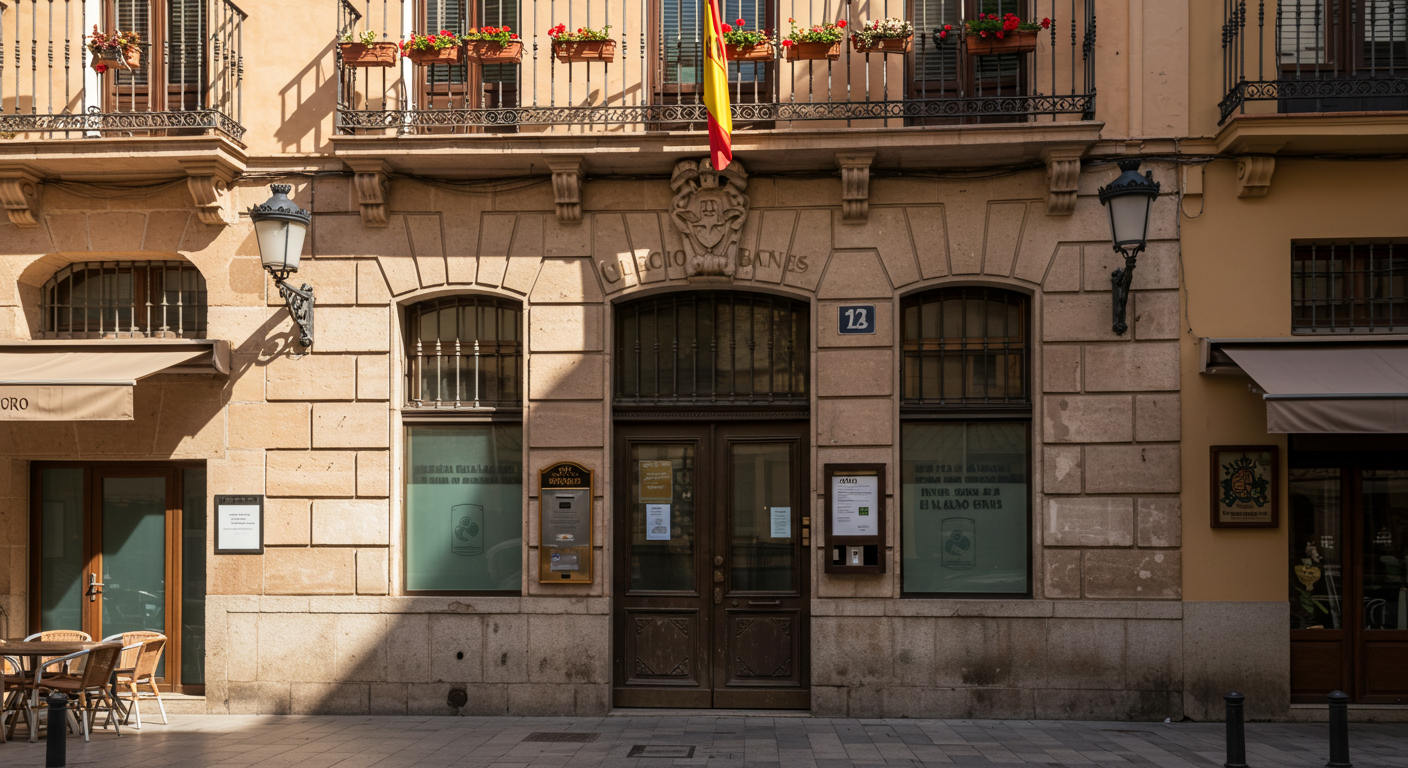
Open a Spanish Bank Account as a Non-Resident in 2026
Which Spanish banks actually let non-residents open an account in 2026? Honest guide: requirements, best options, what to avoid, and how to do it.
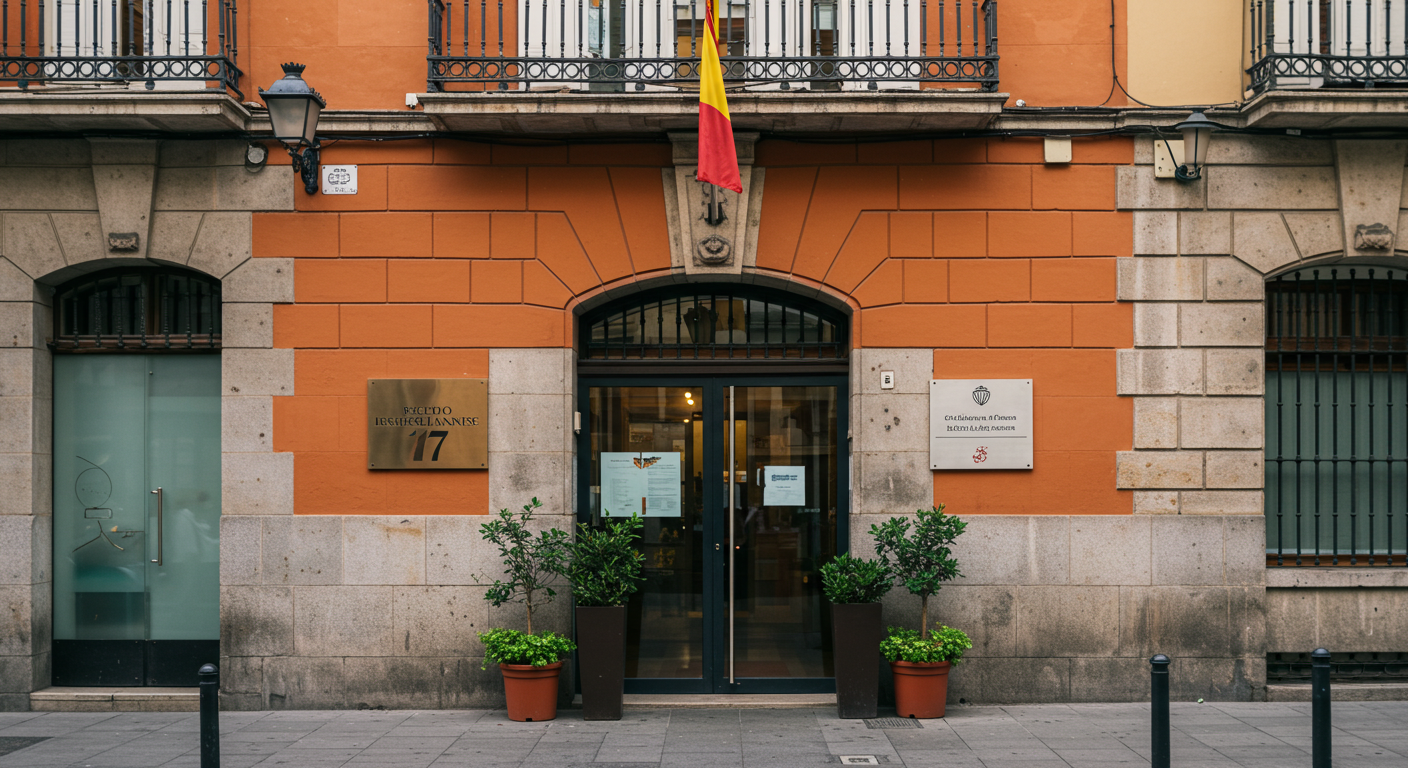
Can a Non-Resident Actually Open a Spanish Bank Account?
Yes — but fewer banks make it easy than you'd think, and the process varies enormously depending on which branch you walk into on which day. The short answer: Sabadell, CaixaBank, and Santander all have non-resident account products (cuenta de no residente) as of 2026. BBVA is technically possible but inconsistent. Online-only banks like Revolut and Wise are not Spanish bank accounts in the legal sense, but they'll solve most of your day-to-day problems while you sort out the real thing. You will need your NIE in almost every case.
If you're about to buy property, pay Spanish taxes, or receive a salary from a Spanish employer, you'll want a proper Spanish account eventually. Everything else — paying rent by direct debit, setting up utilities, getting a Spanish phone contract — becomes significantly smoother with one. Here's what actually works in 2026.
What You'll Need Before You Walk Into Any Branch
This is where most people waste a trip. Spanish banks are document-heavy even for residents; for non-residents, the paperwork bar is higher. Showing up without the full set will almost certainly mean being told to come back.
The standard requirements across most major banks:
- Valid passport (not just a photocopy — the original, plus a copy)
- NIE (Número de Identidad de Extranjero) — this is the non-negotiable one
- Proof of address from your home country (a recent utility bill or bank statement, usually within three months)
- Proof of income or employment — a payslip, employment contract, or tax return; some banks accept a pension letter
- Spanish tax form Modelo 030 — declaring yourself a non-fiscal resident; some banks fill this in with you, others expect you to bring it
Your NIE is the sticking point for many people. If you haven't got one yet, or you're still waiting for an appointment, read NIE Appointment Spain 2026: How Long & How to Speed It Up — the waits in 2026 vary wildly by province, and knowing what you're in for matters.
One thing almost nobody warns you about: the branch manager has considerable discretion. Two people with identical documents can get different outcomes at the same bank on the same street. I've heard from readers who were turned away from a CaixaBank in central Madrid and then accepted without drama at a branch in a smaller town twenty minutes away. It's maddening, but it's Spain.
The Banks That Actually Do Non-Resident Accounts
Banco Sabadell
Sabadell is the most consistently recommended option among expats in 2026, partly because they've made a genuine effort to court international clients — particularly in Catalunya, the Balearics, and the Costa del Sol, where their branch network is strong. They have a dedicated cuenta extranjeros pathway and staff in major branches who are used to the paperwork.
Expect to pay a monthly fee of around €5–8 unless you meet a minimum balance or direct-debit requirement. The online banking app is decent but the Spanish interface can be confusing at first. Their international transfers are expensive — use Wise for those.
CaixaBank
Spain's largest retail bank by branch count, which matters because you'll find one almost anywhere. CaixaBank officially offers non-resident accounts, and their HolaBank product was specifically designed for international clients, especially property buyers on the costas. The service is slick, the app is one of the better ones, and English-speaking staff are easier to find here than at most competitors.
The downside: fees can be higher than Sabadell, and the HolaBank product is clearly optimised for people spending serious money in Spain (property purchases, large deposits). If you're just moving there for a year on a modest income, you may find the fee structure annoying.
Santander
Santander's advantage is familiarity — if you're British, German, or from Latin America, you may already have a Santander account at home, and the brand feels comfortable. They do open non-resident accounts, but the experience varies enormously by branch. In cities, expect queues and a slightly bureaucratic process. In smaller towns, it can be surprisingly quick.
One genuine plus: their cuenta online product has low fees and reasonable functionality. Not my first recommendation, but a solid fallback.
BBVA
BBVA is technically open to non-residents but has become considerably more cautious since tightening its compliance processes in 2023–24. Multiple readers have reported being told at branch level that they "don't do non-resident accounts" — which isn't true at a policy level, but is effectively true at that branch on that day. If you want to try BBVA, go to a large urban branch, bring every document listed above, and be prepared for a possible refusal. I wouldn't make it your first stop.
Openbank (Santander's online arm)
Openbank is worth knowing about. It's Santander's fully digital subsidiary, and they accept non-residents with a NIE and a foreign address. The process is entirely online — you upload documents, do a video verification, and in theory have an account in a few days. In practice, the verification process can stall, and customer service is harder to reach than at a physical branch. That said, for a digital nomad or someone who isn't yet based in Spain full-time, it's one of the more realistic options.
The Non-Bank Alternatives Worth Knowing
Wise and Revolut are not Spanish bank accounts. They don't have Spanish IBANs (Wise gives you a Belgian or UK IBAN; Revolut's is Lithuanian). Some Spanish landlords, utilities companies, and employers will refuse to accept a non-Spanish IBAN for direct debits. It's an increasingly grey area — the EU's SEPA rules technically prohibit discrimination on the basis of IBAN country — but in practice, plenty of Spanish companies still reject them.
That said: get a Wise account the moment you decide you're moving to Spain. It will handle your international transfers far more cheaply than any Spanish bank, and it'll tide you over while you sort out the real account. It's not a replacement; it's a bridge.
The Role of Your NIE (and What Happens Without One)
Every Spanish bank requires a NIE for a non-resident account. No exceptions I've encountered. Some people ask whether they can open an account with just a passport and a tourist visa — the answer is almost always no for a standard account. A very small number of banks have opened what are essentially temporary accounts for people in the process of getting their NIE, but these are rare and typically require a significant deposit.
If your NIE appointment is still weeks away, check out NIE Appointment in Spain 2026: How Long the Wait Really Is for a realistic picture of timelines. In Madrid and Barcelona, waits of four to eight weeks are common as of early 2026; in smaller provinces you can sometimes get an appointment within a fortnight.
The NIE itself doesn't prove residency — it's just a tax identification number. That's the point: it's what allows you to be a non-resident account holder in the Spanish system. Don't confuse it with the TIE (the residency card), which is a different document for a different situation.
Opening a Spanish Bank Account as a Non-Resident: Step by Step
This is one of those cases where a list genuinely helps, because the sequence matters.
- Get your NIE sorted first. Everything else waits on this.
- Gather your documents: passport, NIE, home-country proof of address (within 90 days), proof of income.
- If you don't have a Spanish address yet, some banks will accept your home-country address for a non-resident account. Others require at least an empadronamiento certificate — which creates its own complications if you're not yet renting. See Empadronamiento Without a Rental Contract: Your Real Options if that's your situation.
- Call ahead to your chosen branch and confirm they handle non-resident accounts. Ask specifically: "¿Abrís cuentas para no residentes?" This saves wasted journeys.
- Go in person to Sabadell or CaixaBank as your first choice. Bring originals and photocopies of everything.
- If they ask for the Modelo 030, you can download it from the Agencia Tributaria website. Some branches will help you fill it in; others won't.
- Expect the account to take 2–5 working days to activate after the application is accepted.
Fees and What to Actually Expect to Pay
Non-resident accounts in Spain are not free. As of 2026, typical monthly maintenance fees run between €5 and €15 depending on the bank and the product. CaixaBank's HolaBank charges around €8–12 per month unless you meet minimum conditions. Sabadell's non-resident account sits around €5–8. These figures can change, so confirm at the branch.
Withdrawals from your own bank's ATMs are usually free; withdrawals from other networks attract fees of €1.50–3 per transaction. International transfers via the bank's own system are expensive — often €15–25 per transfer. Use Wise or your home-country bank's international transfer service instead.
One thing worth knowing: Spanish banks have become significantly more aggressive about closing dormant accounts and flagging unusual activity since AML (anti-money laundering) rules tightened across the EU. If you open an account and then don't use it for six months, expect letters, potential freezes, and the possibility of closure. Keep it active.
A Note on Remote Account Opening
Some banks, including Openbank and (in limited circumstances) CaixaBank's HolaBank, allow remote account opening via video call and document upload. This is genuinely useful if you're still outside Spain and want an account ready before you arrive. The catch: the video verification process requires a valid NIE, which means you'll need to have already gone through the NIE appointment process — not something you can do remotely.
If your NIE appointment is proving impossible to get, Cita Previa Extranjería: How to Get an Appointment When None Exist is worth reading before you give up.
The honest summary: opening a Spanish bank account as a non-resident is absolutely doable in 2026, but it's not a one-afternoon job. Sabadell is the path of least resistance for most people. Get your NIE first, bring every document twice, and phone the branch before you turn up. The system rewards the prepared.
Frequently asked questions
- Can I open a Spanish bank account without a NIE?
- Almost never, in practice. Spanish banks require a NIE (Número de Identidad de Extranjero) for non-resident accounts. A small number of branches have opened provisional accounts for applicants in the process of getting their NIE, but these are rare and usually require a substantial deposit. Sort your NIE first.
- Which Spanish bank is best for non-residents in 2026?
- Sabadell and CaixaBank (HolaBank) are the most consistently recommended options as of 2026. Both have dedicated non-resident account products, reasonable English-language support in major branches, and a track record of actually completing the process without turning people away. BBVA is technically possible but unreliable at branch level.
- Does Revolut or Wise count as a Spanish bank account?
- No. Both give you a European IBAN but not a Spanish one. Some Spanish landlords, utilities providers, and employers still reject non-Spanish IBANs for direct debits, despite EU SEPA rules. Use Wise or Revolut as a practical bridge while you open a proper Spanish account, not as a permanent substitute.
- Can I open a Spanish bank account remotely before moving to Spain?
- Some banks — notably Openbank and CaixaBank's HolaBank — offer remote opening via video call and document upload. You still need a NIE, which must be obtained in person at a Spanish consulate or in Spain itself. So fully remote account opening before you've done anything in Spain isn't possible.
- What documents do I need to open a non-resident Spanish bank account?
- You'll need: your valid passport (original and copy), your NIE, proof of address from your home country dated within the last three months, and proof of income or employment (payslip, contract, or tax return). Some banks also require a completed Modelo 030 tax declaration form. Call ahead and confirm the exact list with your chosen branch.
- How long does it take to open a Spanish bank account as a non-resident?
- If you have all documents ready and the branch accepts your application on the spot, the account typically activates within 2–5 working days. The biggest delay is usually getting your NIE beforehand, which can take several weeks depending on the province.
- Do Spanish non-resident bank accounts charge monthly fees?
- Yes. Most non-resident accounts in Spain charge monthly maintenance fees of roughly €5–15 as of 2026, depending on the bank and product. Fees can sometimes be waived if you meet minimum balance or direct-debit conditions. International transfers via the bank are expensive — use Wise for those instead.