Best Boutique Hotels in Madrid for a Stylish City Break
The best boutique and design hotels in Madrid for a stylish city break — real picks by neighbourhood, with honest prices, what to skip, and where to eat nearby.
Madrid rewards a certain kind of traveller: one who wants to sleep well, eat late, and walk everywhere. The city's boutique hotel scene has matured considerably since the early 2010s, when your options were either a five-star Gran Vía palace or a grim hostal with paper-thin walls. These days, the middle ground is genuinely interesting — independently run, design-forward, often occupying a renovated palacete or a 1920s apartment block — and it's where the best city breaks happen.
For a stylish Madrid city break, the standout boutique hotels right now are Only YOU Boutique Hotel Almagro, Urso Hotel & Spa, Hotel Orfila, Bless Hotel Madrid, and the smaller, quieter Petit Palace Savoy Alfonso XII. Prices range from around €150 to €350 a night as of 2026, depending on season — and Madrid's shoulder seasons (March–May, October–November) are when you get the best value and the most bearable weather.
What Makes a Good Boutique Hotel in Madrid?
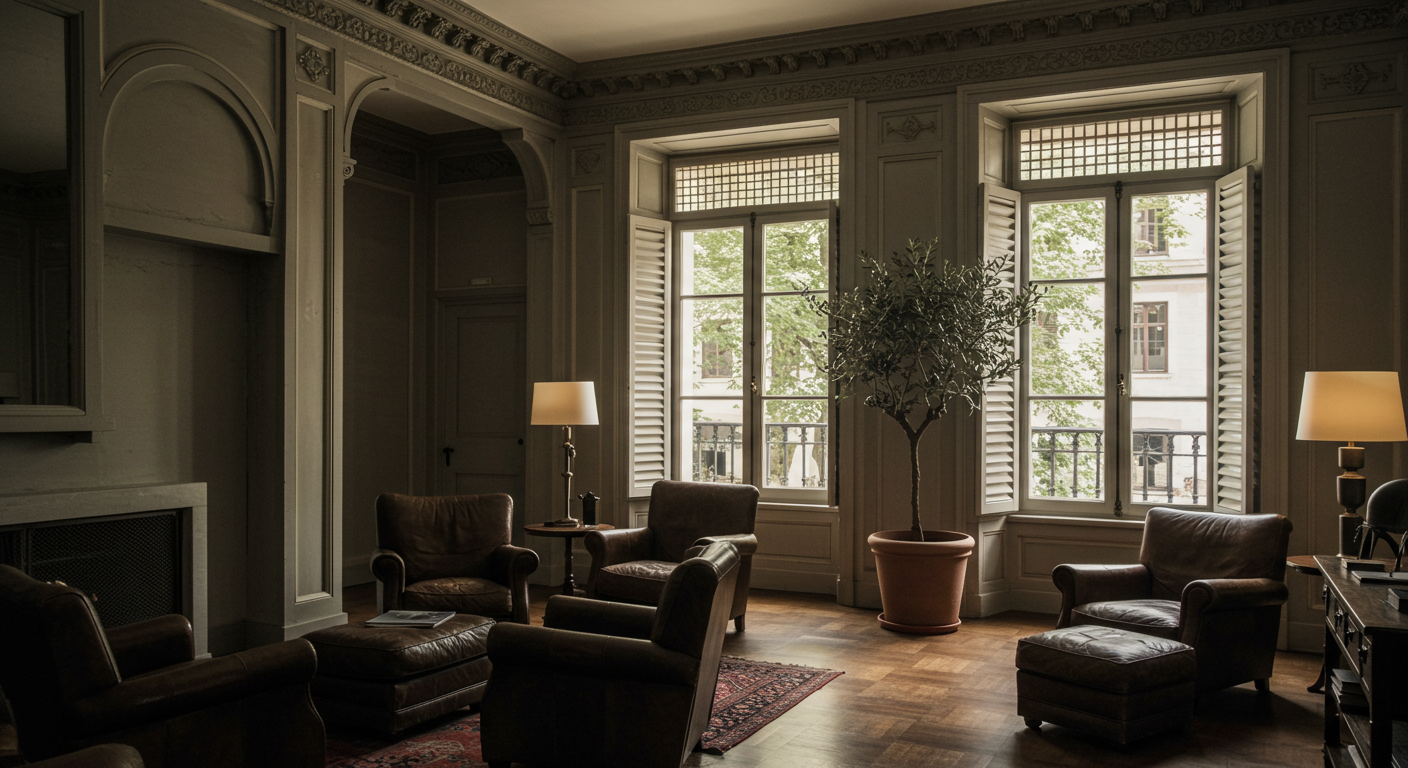
Size matters, but not in the way you might think. The best places here tend to run between 30 and 80 rooms — big enough to have proper service, small enough that the front desk still knows your name by day two. What distinguishes the genuinely good ones from the ones that are just small and expensive is a sense of place: Madrid is not Barcelona, it is not Seville, and the better hotels lean into that. Dark wood, leather, art on the walls that someone actually chose, a bar that locals actually use.
Location is critical. Madrid's tourist geography is compact but unforgiving. Stay in Sol or around the Gran Vía and you're in the thick of it — convenient for the Prado, the Reina Sofía, the Rastro on a Sunday — but the streets are loud, the bars are tourist-facing, and the magic evaporates quickly. The real sweet spot is the triangle between Chueca, Almagro, and Justicia — walkable to everything, but quiet enough to hear yourself think.
The Hotels Worth Your Money
Urso Hotel & Spa, Justicia
A 19th-century mansion on Calle Mejía Lequerica, the Urso is probably the finest true boutique hotel in the city right now. Forty-four rooms, all different, with proper high ceilings and a spa that is genuinely good rather than just a plunge pool and some towels. The bar does excellent gin and tonics — this is Spain, so that matters — and the breakfast is one of the better hotel breakfasts in Madrid, which is saying something in a city where most hotels still serve industrial pastries and orange juice from a carton.
Rates hover around €220–€300 a night depending on season. Not cheap, but you get what you pay for, and the staff are notably good at their jobs. Book directly — the hotel's own site usually beats the OTAs by 5–10%.
Hotel Orfila, Almagro
If the Urso is your sleek, design-conscious choice, the Orfila is for people who want something quieter and more classically Spanish. It sits on a residential street in Almagro, one of those Madrid neighbourhoods where the buildings are cream-coloured and the residents walk small dogs in the evening. Thirty-two rooms, a lovely garden terrace for summer, and an atmosphere that is genuinely calm.
The restaurant is solid without being exceptional — you're better off walking five minutes to Calle Génova or heading towards Chamberí for dinner. The Orfila is not a hotel that shows off. That is precisely its appeal. Expect to pay €180–€260 a night.
Only YOU Boutique Hotel Almagro
This is the most design-forward option on this list. The Only YOU brand has a few properties in Spain now, but the Almagro one remains the most interesting — a refurbished 19th-century palace with an interior that manages to feel contemporary without being cold. The rooftop terrace is excellent in the evenings, the cocktail bar is well-run, and the location puts you within walking distance of the Paseo de la Castellana and the Thyssen-Bornemisza.
It's also the loudest of these hotels, in the sense that it attracts a younger, more social crowd. If you want a quiet retreat, this is not it. If you want somewhere with energy and good design, it works very well. Rates around €180–€280.
Bless Hotel Madrid, Salamanca
The Salamanca district is Madrid's most expensive postcode, and the Bless leans into that unapologetically. It's slightly larger than the others on this list — around 111 rooms — which technically edges it out of strict boutique territory, but the design and service are focused enough to justify the inclusion. The rooftop pool and bar on Calle Velázquez is one of the better spots in the city in summer, with views across the neighbourhood's uniform 19th-century rooflines.
Be aware: the Salamanca location means you're a longish walk from the main museums. That's fine if you're doing a shopping-and-eating break, less so if the Prado is your priority. Rates from €250 to €400+ in high season.
Casa Cacao Madrid (a newer entry to watch)
The Roca brothers — the team behind El Celler de Can Roca in Girona — opened a Madrid outpost of their Casa Cacao concept on Calle Hortaleza in Chueca. It's a small hotel above a chocolate shop and restaurant, and it's unlike anything else in the city. Very few rooms, extremely considered, and the food and drink offering is outstanding. If you can get a room, it's worth it purely for the experience. Prices vary and availability is tight — book well ahead.
Neighbourhoods: Where to Base Yourself
Chueca is the most central and the most fun. It's walkable to the Prado in about 20 minutes, to the Reina Sofía in 25, and to the best bars and restaurants in the city in under five. It can be noisy on weekends — Calle Fuencarral on a Friday night is not for the faint-hearted — but a hotel on one of the quieter side streets is perfectly liveable.
Almagro and Justicia, just north of Chueca, are where you'll find most of the serious boutique hotels. Residential, elegant, and calm, with excellent restaurants on Calle Ponzano (now something of a tapas street, though it's getting slightly victim to its own hype — the northern end is better than the southern).
La Latina is worth mentioning for completeness. Lovely neighbourhood, great for tapas, excellent for the Rastro on Sunday mornings. The boutique hotel options are thinner on the ground here, but it's a good base if your priority is food and neighbourhood life over design.
What to Do in the Hours Between Hotels
The Prado is, obviously, the Prado — but don't attempt it in under three hours or you'll come out feeling vaguely cheated. The Thyssen-Bornemisza on the Paseo del Prado is more manageable and has a better permanent collection than it gets credit for. The Reina Sofía is essential if you have any interest in 20th-century Spanish art; Guernica in person is still a jolt, no matter how many times you've seen it in books.
For eating: ignore the tourist-facing places around the Puerta del Sol and Mercado de San Miguel (overpriced, mediocre, you will be disappointed). Head instead to the area around Calle Ponzano and Calle Ríos Rosas for pintxos bars that are actually good, or to Lavapiés for honest, cheap food from Madrid's many immigrant communities — the Sri Lankan and Bangladeshi places on Calle del Amparo are excellent and cost almost nothing.
For coffee: Federal Café on Plaza del Biombo in La Latina is the best flat white in the city. Toma Café near the Mercado de los Mostenses is a close second. Spanish café culture is wonderful but espresso-centric — if you want anything milk-heavy and well-made, you need to seek out the specialty places.
Practical Notes for a Long Weekend
Madrid is a proper European capital and prices reflect that, but it's still noticeably cheaper than London or Paris. A very good dinner for two with wine costs €60–€90 at a decent mid-range restaurant. A taxi from the airport (Adolfo Suárez Madrid-Barajas) to central Madrid runs about €30–€35 on the meter — the metro is €5 flat from the airport but involves a change and is harder with luggage.
The metro is excellent and covers almost everything you'd want to reach. A ten-trip card (ten viajes) costs around €12.20 as of 2026 and is the most sensible option for a three-to-four-day stay. Taxis are plentiful and cheap by northern European standards — use them at night without guilt.
If you're combining a Madrid city break with a longer stay in Spain — perhaps scouting the city as a potential base for relocation — there's a fair amount of practical groundwork to do beyond hotel choice. Things like opening a Spanish bank account as a non-resident or understanding what it means to rent in Spain without a Spanish payslip are worth reading up on before you arrive. And if you're considering the Spanish Digital Nomad Visa, Madrid is one of the more practical cities to be based in for the application process.
One Hotel to Skip
The Room Mate group has several properties in Madrid and they are everywhere on booking sites. They are fine in a functional, no-surprises way, but they're not boutique hotels in any meaningful sense — the design is more budget-airport-lounge than anything considered — and the service is inconsistent. They'll do in a pinch. They shouldn't be your first choice for a stylish break.
The same goes for most of the Gran Vía corridor. Loud, central, and lacking in character. The location is convenient; the experience is not.
Madrid is one of those cities that improves dramatically when you stay somewhere good. The hotel becomes part of the trip rather than just a place to sleep, and the difference between a considered boutique property and an anonymous chain room is the difference between feeling like you're actually in Madrid and feeling like you could be anywhere.
Frequently asked questions
- What is the best neighbourhood in Madrid to stay in a boutique hotel?
- The Almagro, Justicia, and Chueca triangle is the sweet spot — residential enough to be calm, central enough to walk to the main museums and restaurants. Salamanca works if shopping is your priority. Avoid the Gran Vía corridor if you want character and quiet.
- How much does a good boutique hotel in Madrid cost per night in 2026?
- Expect to pay €150–€300 a night for a genuinely good boutique hotel in Madrid as of 2026. Shoulder seasons (March–May and October–November) offer the best rates and the most comfortable weather. Booking directly with the hotel often beats third-party platforms by 5–10%.
- Is the Urso Hotel Madrid worth the price?
- Yes, for most travellers who want a high-quality, calm experience in a well-located neighbourhood. The service is excellent, the spa is genuinely good, and the rooms are among the most comfortable in the city. It's not the cheapest option, but it delivers on what it promises.
- When is the best time to visit Madrid for a city break?
- March to May and October to November are the best months. Summer (July–August) is extremely hot — regularly above 38°C — and many locals leave the city. December is pleasant for Christmas atmosphere but can be busy. Spring and autumn offer the best balance of weather, prices, and crowd levels.
- Can I get from Madrid airport to a boutique hotel in the centre cheaply?
- The metro from Barajas airport to central Madrid costs a flat €5 (as of 2026) but involves at least one change and can be awkward with luggage. A licensed taxi runs €30–€35 on the meter to most central districts and is far easier. Uber also operates in Madrid and is usually competitive on price.
- Are there boutique hotels in Madrid suitable for remote workers on a longer stay?
- A few — the Only YOU properties in particular have decent WiFi and lobby spaces that work for occasional working. But for longer stays, a serviced apartment or short-term rental is usually more practical and much better value. If you're considering relocating, it's worth understanding how renting in Spain works for foreigners before you commit.
- Is Madrid or Barcelona better for a boutique hotel city break?
- Both cities have strong boutique hotel scenes, but Madrid's tends to be slightly better value and the city is easier to navigate on foot. Barcelona has the beach and more international name recognition, but it's busier with tourists year-round. For a pure city-culture break focused on art, food, and neighbourhood life, Madrid edges it.