Healthcare in Spain Before Your TIE Arrives: What Cover Do You Actually Have?
No TIE yet but living in Spain? Here's exactly what healthcare cover you have before your residency card arrives, and how to plug the gaps.
The gap between landing in Spain and holding a physical TIE (Tarjeta de Identidad de Extranjero) is where most newcomers quietly panic about healthcare. It can stretch from a few weeks to — if you've hit the notorious extranjería appointment backlog — five or six months. So what actually happens if you need a doctor during that time?
The short answer: it depends on your nationality, your visa type, and whether you've done your empadronamiento. EU/EEA citizens have a reasonably clear path; non-EU arrivals on a long-stay visa have a messier one. Either way, you are not simply without options — but you do need to act, rather than assume the system will catch you.
What the TIE Actually Unlocks (and What It Doesn't)
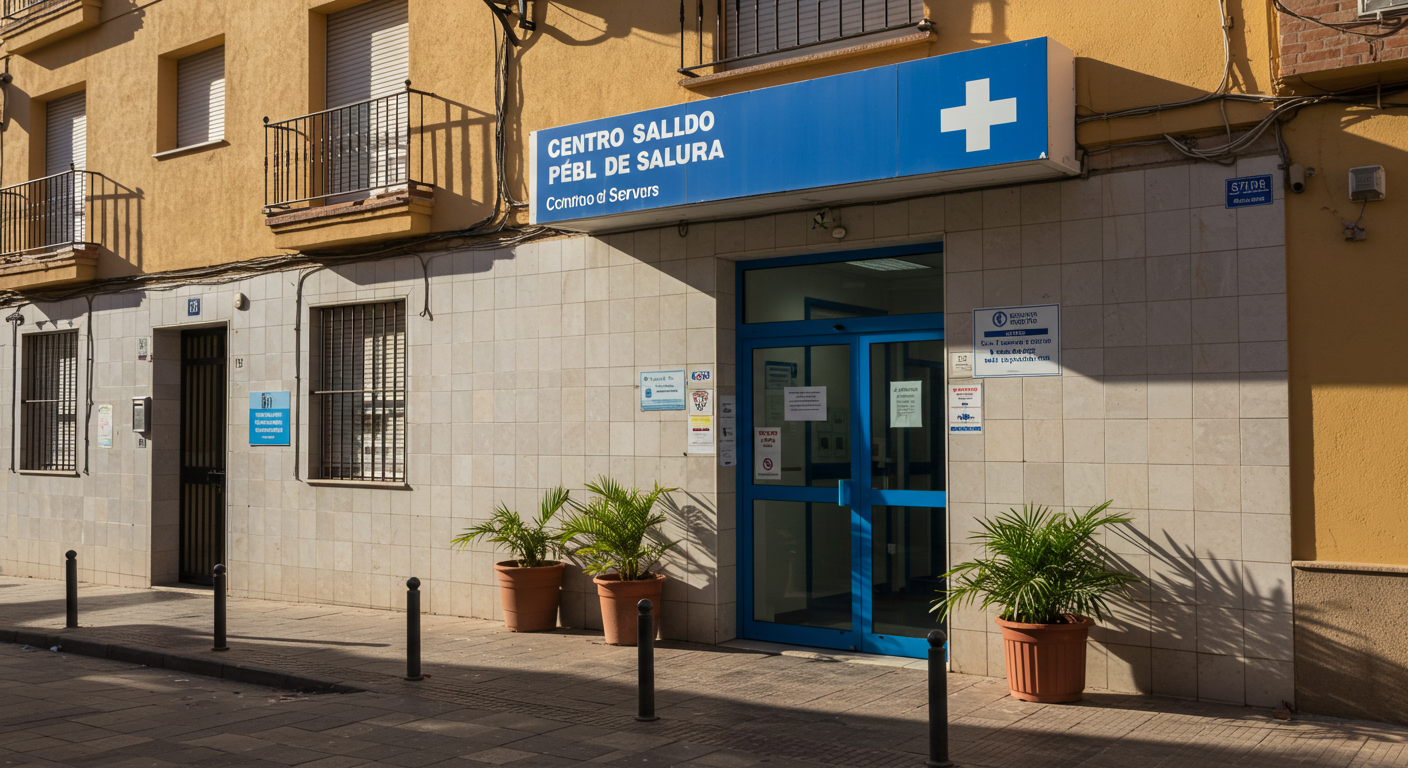
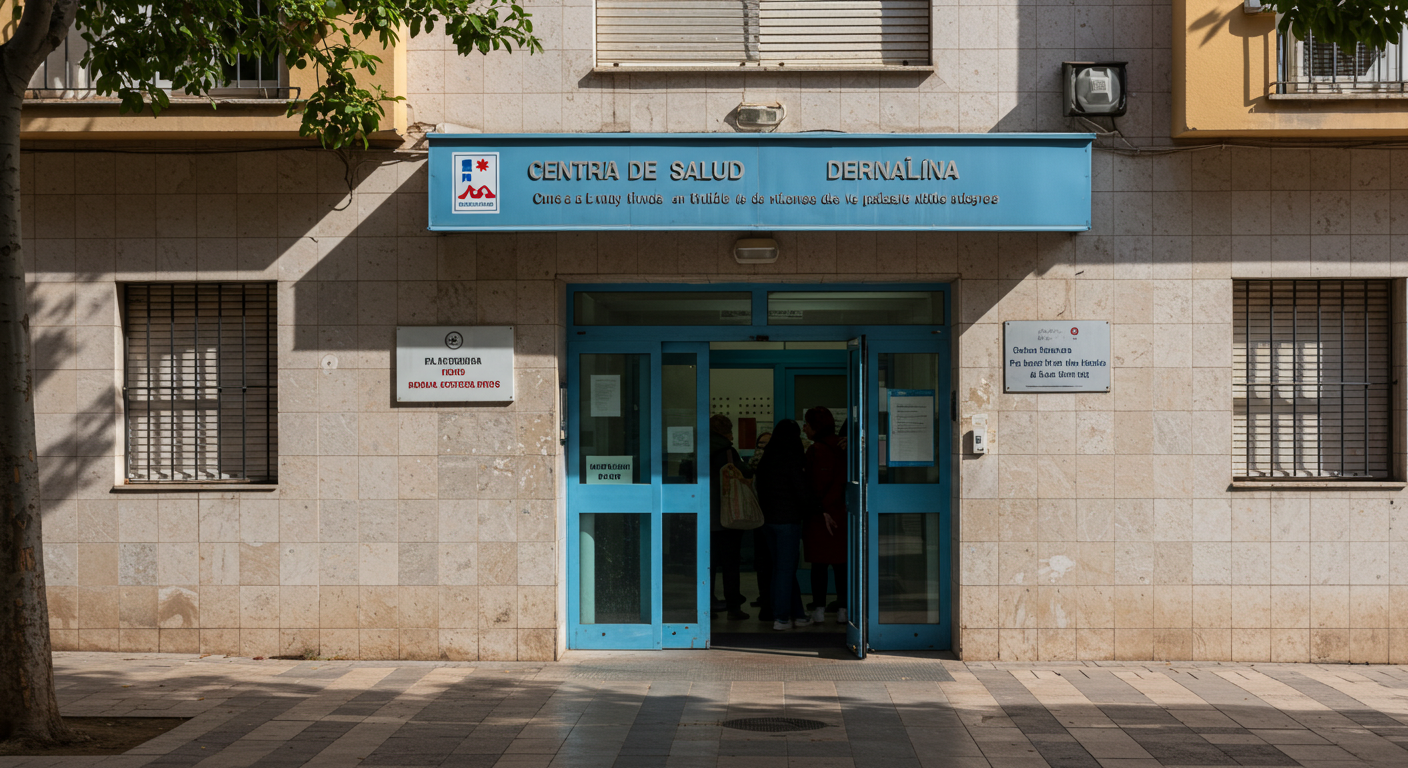
The TIE is your proof of legal residency, but it is not, in itself, a health card. What it unlocks is the ability to register formally with the Spanish public health system (Seguridad Social or, in some regions, a separate autonomous system like CatSalut in Catalonia or SAS in Andalusia). Once registered, you get a tarjeta sanitaria — a health card — and from that point you access your local centro de salud for free, pay the standard prescription co-pay (capped at around €60/month for working-age adults as of 2026, and zero for pensioners), and have the same rights as any Spanish resident.
Before the TIE, none of that registration is technically available to non-EU nationals. Which means the gap period is real and worth planning for.
EU/EEA Citizens: You Have More Cover Than You Think
If you're British post-Brexit, skip this section — you're in the non-EU category now, unfortunately. But if you hold an EU or EEA passport, your European Health Insurance Card (EHIC) or its national equivalent remains valid in Spain while you're sorting residency. It covers medically necessary treatment in the public system, the same as it would for a tourist.
The catch: the EHIC is meant for temporary stays. Once you're clearly a resident — even before the TIE arrives — you're supposed to be accessing healthcare through residency registration, not tourism entitlements. In practice, Spanish public health staff rarely interrogate this, and an EHIC presented at an urgencias (A&E) will get you seen. But it's a grey area, and for ongoing treatment or specialist referrals, you'll want to regularise your situation as fast as possible.
The practical move for EU citizens: get empadronado (registered at your local town hall) as soon as you have an address. Empadronamiento is the foundation of almost everything in Spain — Empadronamiento Without a Rental Contract: Your Real Options covers what to do if you haven't signed a lease yet. With your padrón certificate and proof that you're in the process of applying for residency, many health centres will issue a provisional health card. It varies by municipality and autonomous community, but it's always worth asking.
British Nationals: The S1 Route and Its Limits
British retirees or people receiving a UK state pension may be entitled to an S1 form from HMRC/DWP, which, once registered in Spain, entitles you to full public healthcare at Spain's expense (the UK reimburses Spain). If this applies to you, get the S1 sorted before you leave the UK — it's free and it changes your situation dramatically.
For working-age Brits who've moved under the Non-Lucrative Visa (NLV) or another long-stay visa, there's no S1 route. Your visa application itself required proof of private health insurance — that insurance is your cover during the pre-TIE period, and you should keep it active until you've successfully registered with the public system. Don't cancel it the day you land.
Non-EU Nationals on Long-Stay Visas: The Private Insurance Period
Most non-EU long-stay visas — the Non-Lucrative Visa, the Digital Nomad Visa, the Golden Visa — require applicants to show private health insurance as part of the application. That insurance must cover you in Spain without a co-payment requirement. Once approved, you'll typically have a policy from a provider like Sanitas, Adeslas, Asisa, or a specialist expat insurer.
That policy is your primary healthcare cover until your TIE arrives and you can access the public system. Don't treat it as bureaucratic box-ticking. Use it. The better Spanish private providers have decent GP networks and reasonable specialist waiting times — often faster than the public system for non-urgent issues.
A few things worth knowing about private cover during this period:
- Most policies have a 30-day waiting period for non-emergency specialist consultations. If you arrive and immediately need a cardiologist, you may face a gap. Check your policy's exclusions.
- Urgencias (A&E) at any public hospital is legally required to treat you regardless of your insurance status or residency situation. You will not be turned away from an emergency. You may, however, receive a bill if you're not registered — which you can then submit to your insurer.
- Pre-existing conditions are commonly excluded in the first year of a Spanish private policy. If you have a chronic condition, read the small print carefully before choosing a provider.
If you're on the Digital Nomad Visa specifically, the insurance requirements interact with your autónomo registration in ways that can get complicated — Do You Need a Gestor to Register as Autónomo in Spain? is worth reading alongside this.
The Empadronamiento Connection
This comes up again because it genuinely matters. Some autonomous communities — notably Madrid and several Andalusian municipalities — will issue a tarjeta sanitaria to long-term residents even before the TIE, provided you can show your padrón certificate, your visa, and proof that you've applied for the TIE (your resguardo, the acknowledgment slip from the appointment). It's not universal, and it's not guaranteed, but it costs you nothing to walk into your local centro de salud and ask.
The NIE/TIE appointment backlog is the real culprit here. In cities like Barcelona and Madrid, waits of four to six months are not unusual — NIE Appointment in Spain 2026: How Long the Wait Really Is has the current picture. If your wait is that long, it's worth pushing your health centre for that provisional card rather than burning through private insurance for half a year.
What the Public System Actually Covers Once You're In
Spain's public healthcare system (Sistema Nacional de Salud) is genuinely good. GPs are accessible, hospital care is high quality, and the prescription co-pay system is income-linked. Once you have your tarjeta sanitaria, you access everything through your assigned centro de salud — you register there, choose a GP (médico de cabecera), and get referrals from there to specialists.
The realistic caveats: waiting times for non-urgent specialist appointments can be long in the public system, sometimes months. Dental care is almost entirely absent from public cover — the basics (extractions, not much else) are covered, but anything cosmetic or restorative comes out of pocket or through supplemental insurance. Mental health provision is improving but still patchy; access to English-speaking therapists on the public system is essentially non-existent in most areas.
Many long-term expats keep a low-cost private top-up policy (often €50–€80/month for a healthy adult in their 30s or 40s, as of 2026) even after accessing the public system, specifically for faster specialist access and dental. It's not a bad call.
Practical Steps: What to Do the Week You Arrive
First, confirm your private insurance is active and you have the policy documents accessible on your phone. Then get your empadronamiento sorted — this is genuinely your first task, before almost anything else. Once you have your padrón certificate, book your TIE appointment (or join the queue for one — Cita Previa Extranjería: How to Get an Appointment When None Exist is the practical guide there).
With your padrón certificate and visa in hand, visit your nearest centro de salud and explain your situation. Ask specifically whether they can register you provisionally given your pending TIE application. Bring your resguardo if you have one. The answer varies — some health centres are flexible, some are rigid — but you lose nothing by asking, and in the best case you'll get a health card months ahead of schedule.
Keep all your documents together: passport, visa, padrón certificate, TIE application acknowledgment, and private insurance card. If you end up in urgencias, having that bundle ready speeds everything up considerably.
The pre-TIE period is genuinely manageable with a bit of preparation. The worst outcomes — people arriving with no private insurance, no padrón, and no plan — are avoidable. Sort the paperwork in order, use your private cover for what it's there for, and push for public registration the moment you have grounds to do so.
If you're still working out the financial infrastructure side of your move, Open a Spanish Bank Account as a Non-Resident in 2026 covers another early task that's easier than most people expect.
Frequently asked questions
- Can I use the Spanish public health system before my TIE arrives?
- Not automatically, no. Non-EU nationals typically need the TIE to register with the public health system and get a tarjeta sanitaria. However, some autonomous communities will issue a provisional health card if you can show your padrón certificate, your visa, and proof you've applied for the TIE. It's worth asking your local centro de salud directly — the answer varies by region and even by individual health centre.
- Does my EHIC cover me in Spain while waiting for my TIE?
- If you're an EU/EEA citizen, yes — your EHIC or equivalent card covers medically necessary treatment in the Spanish public system during the pre-TIE period. It's technically designed for temporary stays rather than residency, but in practice it will get you treated. Get your residency registration sorted as soon as possible to move onto more solid legal ground.
- What happens if I need emergency care before my TIE arrives?
- Spanish law requires public hospitals to provide emergency treatment regardless of residency or insurance status. You will be seen at urgencias. If you're not yet registered with the public system, you may receive a bill afterwards — submit it to your private insurer. Never avoid seeking emergency care because of paperwork worries.
- How long do I need to keep my private health insurance after arriving in Spain?
- Keep it active until you have a tarjeta sanitaria in hand and have successfully registered with a centro de salud. For many non-EU visa holders, that means keeping it for four to six months or more, depending on the TIE appointment backlog in your city. Cancelling it prematurely leaves you genuinely uninsured.
- Does the Spanish Digital Nomad Visa require health insurance during the TIE wait?
- Yes. Private health insurance without a co-payment is a condition of the Digital Nomad Visa itself, not just a temporary requirement. You need to maintain valid cover as part of your visa compliance. Once you're registered with the public system (which becomes possible once you have your TIE and are paying into Social Security), the situation changes — but that's a separate decision point.
- Is dental care covered by Spanish public healthcare?
- Barely. The public system covers basic extractions and some preventive care for children, but routine fillings, crowns, implants, and orthodontics are almost entirely out-of-pocket or covered by supplemental private dental insurance. Budget accordingly, or add dental cover to your private policy.
- Can I get my empadronamiento before I have a rental contract, and does that help with healthcare?
- Yes, empadronamiento is possible without a traditional rental contract in most municipalities — through a family member's address, a letter from a property owner, or other means. And yes, having that padrón certificate is often the key that unlocks a provisional health card registration at your local centro de salud while you're still waiting for your TIE.