Hidden Calas of Spain: Quiet Coves Away from the Crowds
The best hidden calas in Spain away from crowds — crystal-clear water, no sunbeds, no queues. Real picks from Menorca to Galicia, with how to reach each one.
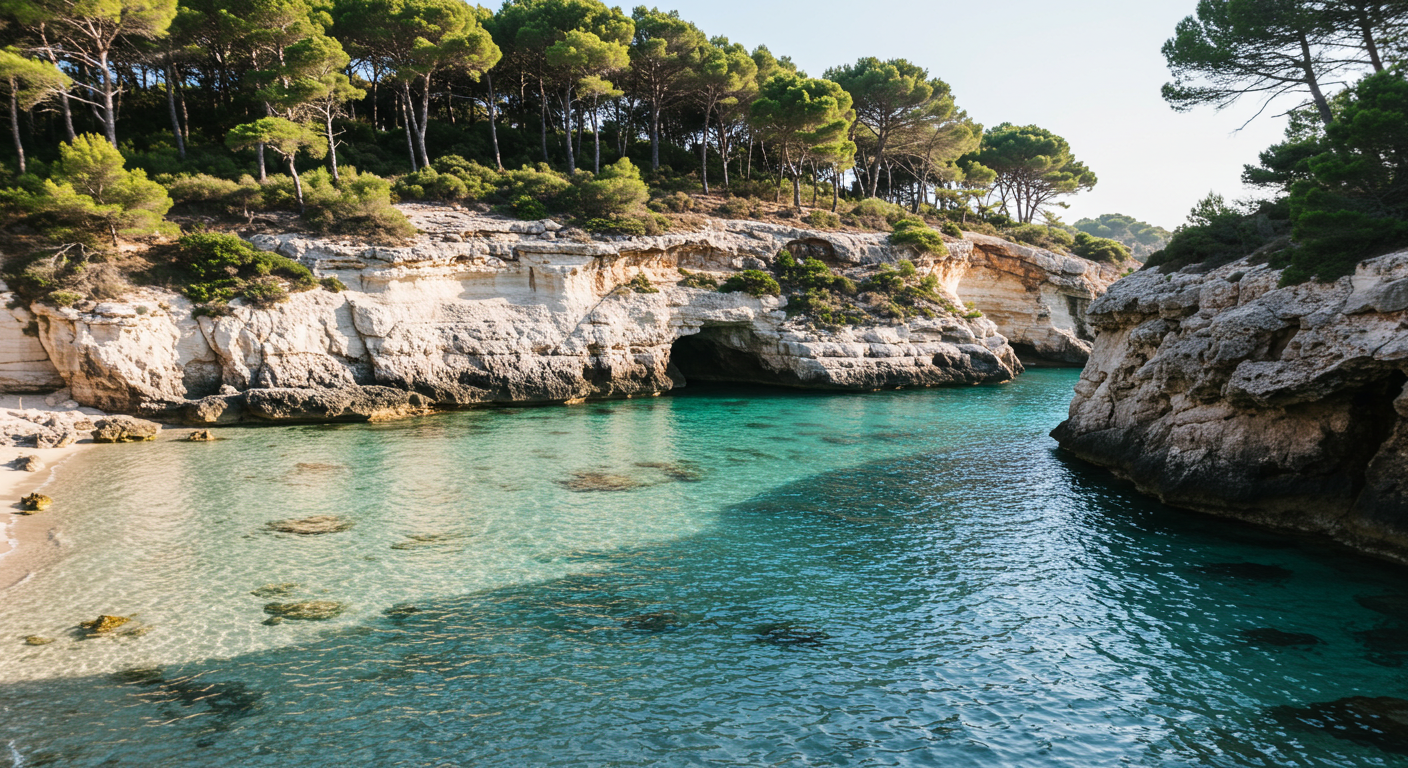
Spain has roughly 8,000 kilometres of coastline. A fair chunk of it is occupied by sunbed empires, €6 beers and the kind of beach bar that plays Despacito on a six-hour loop. But the rest — the genuinely quiet, hidden calas where the water is the colour of a swimming pool and you can hear the cicadas — still exists. You just have to know where to look, and you have to be willing to walk.
If you're searching for hidden calas in Spain away from the crowds, the short answer is: they're real, they're findable, and the formula is almost always the same. Get off the main road, park in a lay-by, walk at least 20 minutes down an unpaved track, and arrive before 10am in July and August. Do that, and you'll have clear water and a flat rock to yourself. The longer answer involves knowing which specific spots are worth the effort — and which ones were 'secret' three years ago and now have a food truck.
Why Spanish Calas Are Different from Regular Beaches
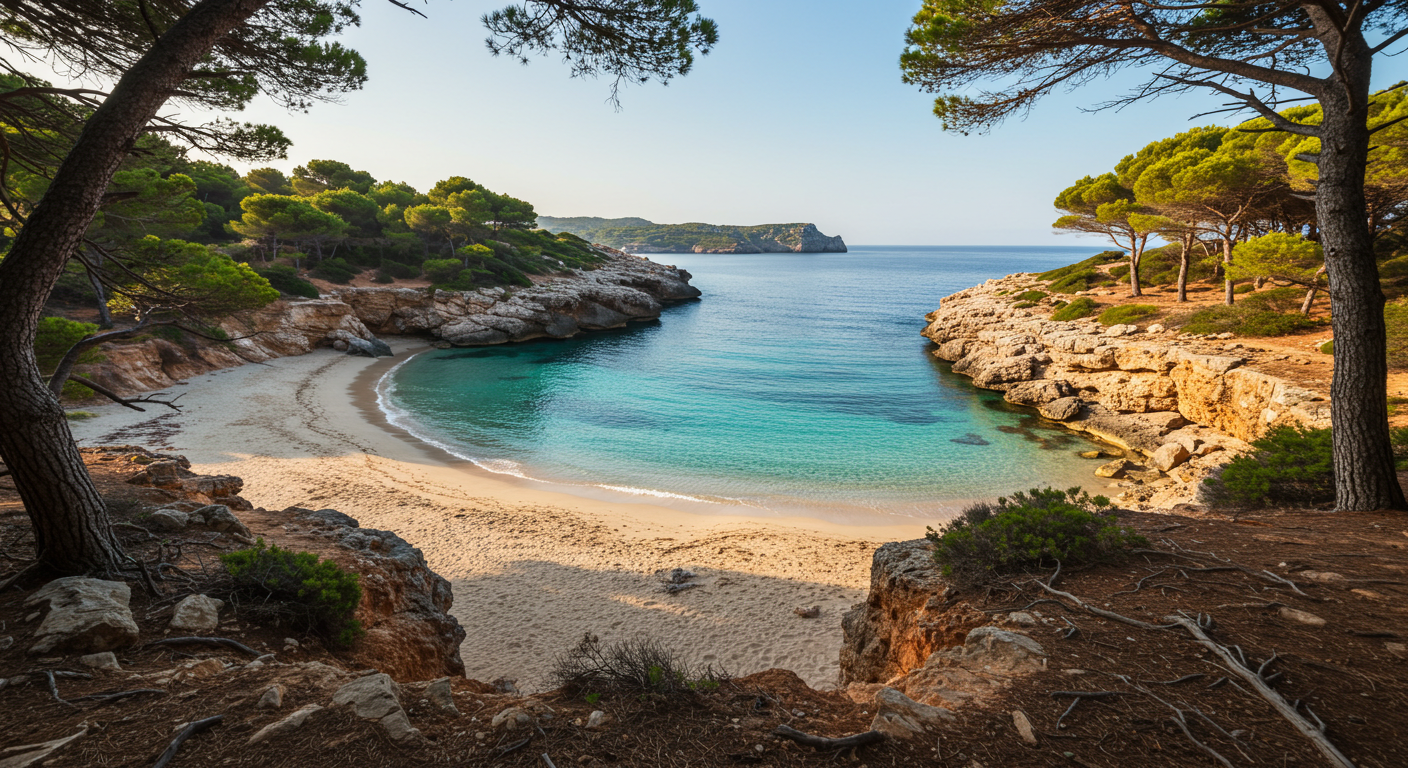
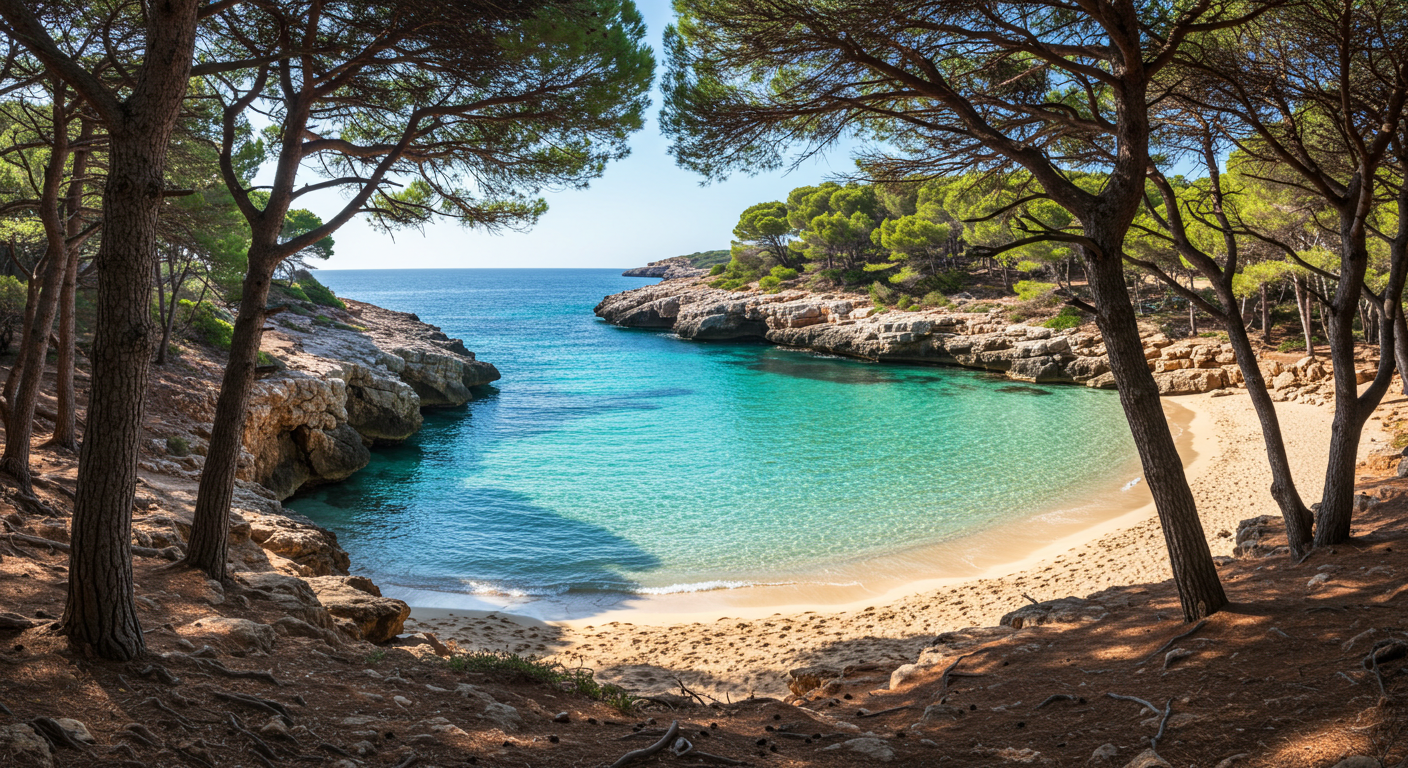
A cala is a small inlet, typically formed where a river or stream once cut through limestone or granite down to the sea. The rock walls funnel in calm water, the seabed is usually sandy or pebbled and the depth drops gradually, which is why the colour shifts from pale turquoise to deep blue in about 30 metres. They're not maintained — no rakes, no flags, no lifeguards in most cases — which is exactly why they stay quiet. Access is often technically possible only on foot or by kayak, and Spanish parking culture being what it is, that 20-minute walk is a very effective filter.
Here's the thing nobody tells you: the Balearics and the Costa Brava have the highest concentration of genuinely beautiful calas per kilometre of coast. But they're also the most Instagrammed. Menorca has better preservation rules than anywhere else in the archipelago, and it shows.
Menorca: The Island That Still Has Rules
Menorca was declared a UNESCO Biosphere Reserve in 1993, and the island has actually enforced the consequences. You cannot drive to most of the south-coast calas — the roads simply don't exist, by design. The car parks at the trailheads fill up fast in August, but they cap capacity, which means the beaches themselves never reach Mallorca levels of chaos.
Cala Macarelleta is the smaller twin of Cala Macarell and, as of 2026, still requires a 15-minute walk from the shared car park at Cala Galdana (or a longer hike from the north if you're staying elsewhere). The car park operates a traffic-light system in summer — red means full, and they mean it. Get there by 9am or arrive by boat. The water is the kind of pale green that makes you look down and wonder if you're really that far out.
Cala en Turqueta is a 30-minute walk from the Camí de Cavalls trailhead near Ciutadella. Most people turn around when they see the track. Don't. The cala at the end has a small beach bar — the Chiringuito es Talaier nearby is actually decent — but the cove itself stays manageable because the track is just uncomfortable enough to deter the flip-flop brigade.
If you want true solitude in Menorca, the north coast is your answer. Cala Calderer near Es Mercadal is accessed by a rough dirt track that'll scrape the bottom of anything lower than a 4x4, followed by a 25-minute walk. In high summer, you might share it with six people. In September, you might share it with nobody.
Costa Brava: Still Worth It, With Caveats
The Costa Brava between Cadaqués and Palamós has been 'discovered' for decades, but it's a long coast and the calas multiply. The tourist pressure concentrates around the big towns — Lloret, Tossa, Begur — which leaves the stretches between them surprisingly underpopulated.
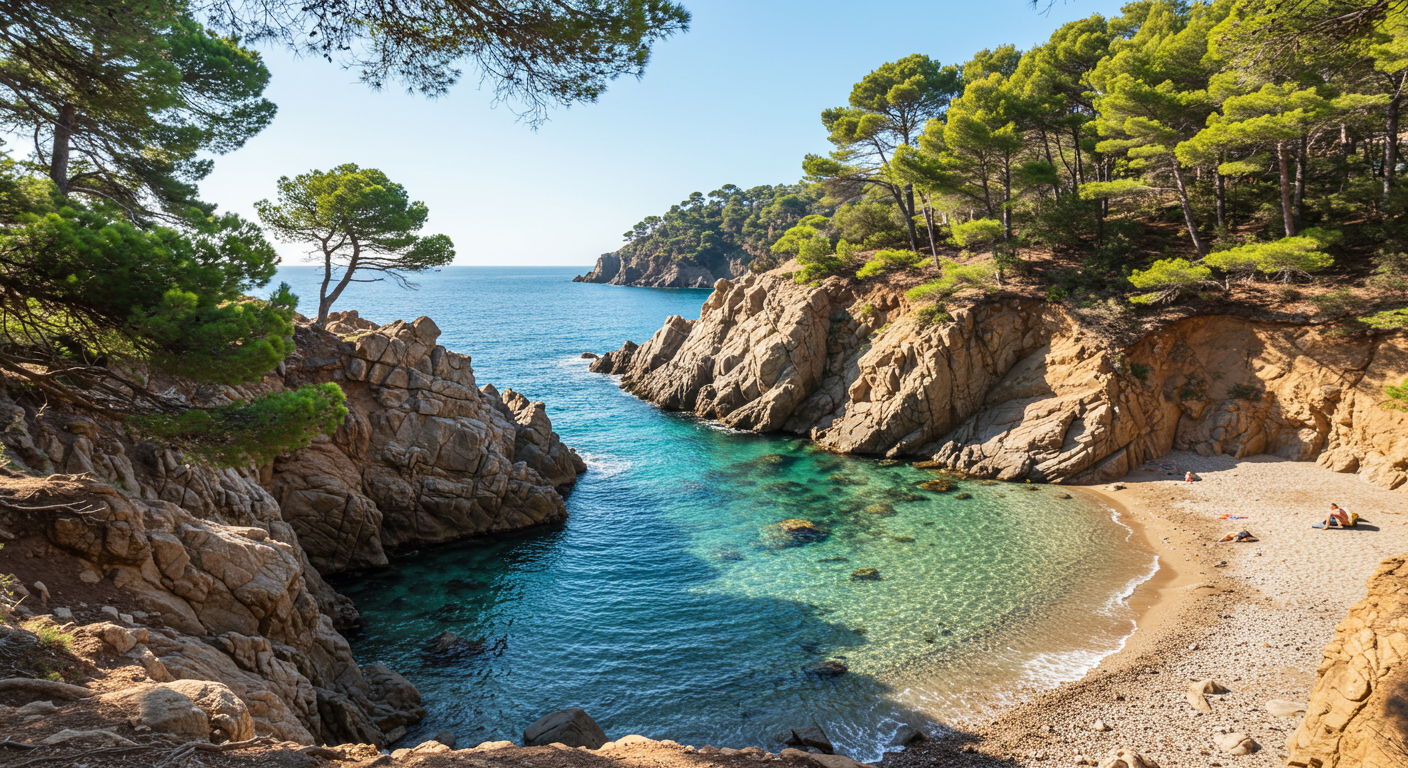
Cala Futadera, just south of Begur, has no road access at all. You either arrive by boat, or you walk 40 minutes from the nearest car park through pine forest. It's rocky, flat slabs rather than sand, and the water is cold even in August (northern Mediterranean, remember). I've been there on a Saturday in late July with fewer than 20 people. The walk through the Cap de Creus park to the north offers similar rewards — Cala Jugadora near Cadaqués takes about 45 minutes on foot from town and the trade-off in crowds is immediate.
Skip Cala S'Alguer near Palamós for anything other than a quick look — it's cute but it's right next to the road and full by 11am. And Cala Pola near Tossa has become a zoo. Both are worth knowing about so you can avoid them.
The honest caveat for the Costa Brava in July and August: even the 'hidden' calas get busier every year. The best ones still deliver, but arrive early or accept that September is just a better month.
Galicia: Cold, Wild, and Genuinely Empty
Galicia doesn't come up in most 'hidden cala' lists because it's not Mediterranean and people assume the water is unwimmable. They're wrong, or at least only half right. The Rías Baixas in summer — July through early September — can reach 19–22°C in sheltered inlets, which is warmer than the Costa Brava and plenty swimmable if you're not from Málaga.
Praia de Barra near Cangas is not technically a cala but it behaves like one — a long strip of fine white sand backed by pine, accessible by ferry from Vigo (around €4 return as of 2026) and far less crowded than any equivalent beach in the south. The ferry makes it car-free by default.
For something more dramatic, the Illas Cíes — part of the Atlantic Islands National Park — require a permit to visit in summer. That's not a tourist gimmick; the boats are genuinely limited and you book through the Xunta de Galicia website, which is clunky but functional. Playa de Rodas on the main island was once called the world's best beach by The Guardian, which was both accurate and the beginning of its queuing problem. Book the permit early (March or April for summer), and you'll find the island's lesser-visited southern beaches almost to yourself.
Andalusia: Look Past the Costa del Sol
The Costa del Sol is largely a write-off for quiet calas. But the stretch between Nerja and Almería — the Axarquía coast and then the Cabo de Gata natural park — is genuinely different.
Cabo de Gata is the largest protected marine and terrestrial reserve in western Europe, and it has the kind of volcanic rock coastline that creates dozens of small inlets. Cala de Enmedio, reached by a 30-minute walk from the hamlet of Los Escullos, is wide enough for 50 people comfortably and usually holds about 15 on a weekday. Cala del Plomo near Rodalquilar requires a 45-minute walk on a rough track — it's genuinely empty almost year-round, because almost nobody makes the effort.
The Cabo de Gata calas are also hot in a way the Costa Brava isn't. In July and August it can hit 38°C. Bring water, start early, and know that the shade is minimal. The reward is water so clear you can see individual pebbles at four metres depth.
Practical Notes for Finding Hidden Calas
A few things that actually help:
- Wikiloc and AllTrails both have user-submitted tracks for most of these calas. The Spanish-language Wikiloc entries are often more detailed and more honest about track conditions.
- Google Maps satellite view is useful for spotting inlets that don't appear in any guide. Look for the pale turquoise patches along any undeveloped coastline.
- In the Balearics and Catalonia, July and August are genuinely crowded even at the 'hidden' spots. September is better in almost every way — water's warmer, crowds are gone, prices drop.
- Water shoes. Rocky calas with sea urchins are no fun in bare feet. A cheap pair from Decathlon (around €8–12 as of 2026) is worth every cent.
- Some calas — particularly in the Cabo de Gata and parts of the Costa Brava — are within marine protected areas where you cannot anchor boats or take sand. The fines are real.
If you're relocating to Spain and planning to spend serious time on the coast, these logistics start to matter more than they do on a two-week holiday. Things like getting your local paperwork sorted — empadronamiento, bank accounts, and healthcare cover — become the background noise that either runs smoothly or ruins your summer. Worth getting ahead of it.
For anyone moving to the coast with remote-work intentions, the Spanish Digital Nomad Visa is worth looking into if you're working for a non-Spanish employer — though the income thresholds and processing times deserve careful reading before you commit.
September is the month I'd pick every time. The sea is at its warmest, the calas are at their quietest, and the entire Spanish coast feels like it's been handed back to the people who actually live here.
Frequently asked questions
- What is a cala in Spain?
- A cala is a small coastal inlet or cove, typically enclosed by rocky cliffs and fed by calm, sheltered water. They're common along the Mediterranean coast — particularly in the Balearic Islands, the Costa Brava and the Cabo de Gata — and tend to have clear, shallow water near the entrance deepening gradually further out.
- Which Spanish island has the best hidden calas?
- Menorca is widely considered the best island for quiet, undeveloped calas. Its UNESCO Biosphere Reserve status means many south-coast calas are only accessible on foot or by boat, and the island actively limits car access near the most popular spots. The water quality is exceptional and the crowds, while growing, remain manageable compared to Mallorca or Ibiza.
- When is the best time to visit hidden calas in Spain to avoid crowds?
- September is the best month. The sea temperature along the Mediterranean coast is typically at its annual peak (often 24–26°C), the summer school-holiday crowds have gone, and prices for accommodation drop noticeably. Late June before the main holiday rush is the second-best option. July and August are manageable only if you arrive at the beach before 9:30am.
- Do you need a permit to visit the Illas Cíes in Galicia?
- Yes. During the summer season (roughly late June to mid-September), visitor numbers are capped and you must book a permit through the Xunta de Galicia's official website in advance. Permits typically go on sale in spring — March or April is a sensible time to check. The ferry from Vigo is the only way to reach the islands; no private boats can anchor without authorisation.
- Are the calas in Cabo de Gata safe for swimming?
- Generally yes. The Cabo de Gata calas are sheltered from swell and the water is very clear. There are no lifeguards at most spots, so standard sea-swimming caution applies — check conditions, don't swim alone in remote calas, and watch for sea urchins on rocky entries. The main hazard is heat: the area is one of the hottest and driest in Europe, so hydration and early starts matter in summer.
- Can you drive to hidden calas in Spain, or do you always need to walk?
- It varies. Some calas have a car park within a few minutes' walk; others require 30–45 minutes on foot over rough terrain. In Menorca, car access to the south-coast calas is deliberately restricted by law. In the Cabo de Gata, most roads are unpaved and a high-clearance vehicle helps. The general rule: the harder the access, the emptier the beach.
- Are there hidden calas near Barcelona that you can reach without a car?
- A few, though 'hidden' is relative. The Garraf coast south of Barcelona (reachable by Rodalies train) has small rocky coves between Castelldefels and Sitges that are far quieter than Barceloneta. North of the city, Calella de Palafrugell on the Costa Brava is reachable by bus from Palafrugell (itself served by buses from Girona or Barcelona), and the walking paths between its small coves are excellent. A car opens up far more options, but the train-accessible spots are genuinely usable.