Where to Eat Pintxos in San Sebastián: Best Bars by Neighbourhood
Where to eat pintxos in San Sebastián, bar by bar and street by street. Real picks, honest prices, and what to skip — from someone who's done the crawl.
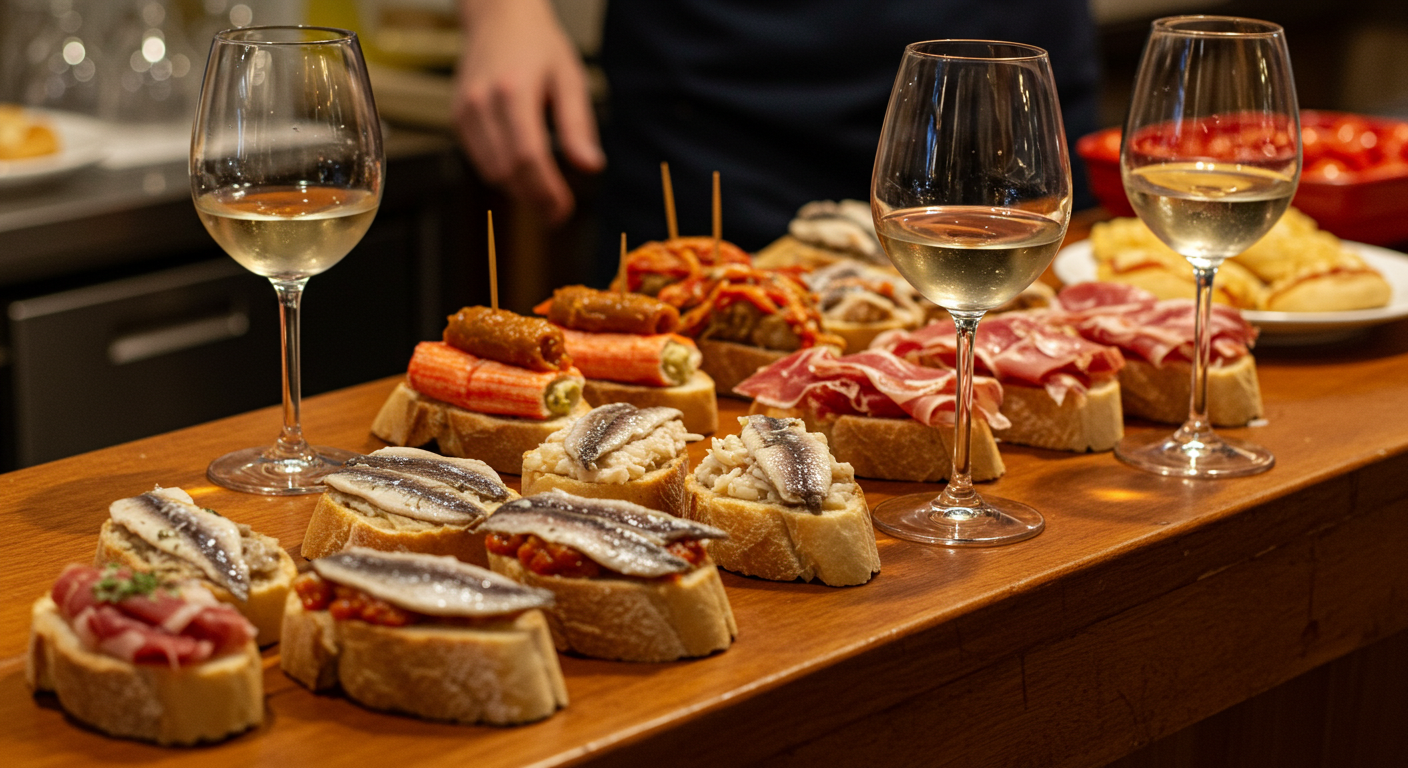
The best pintxos bar in San Sebastián is not the one with the longest queue on Calle 31 de Agosto. It might be the one you almost walked past, with a handwritten sign and a tray of anchovy-stuffed peppers sitting on the bar going cold. That tension — between the famous and the genuinely good — is the whole game when you're doing a pintxos crawl in this city.
So, where to eat pintxos in San Sebastián? The honest short answer: the Parte Vieja (Old Town) has the density and is the right place to start, but Bar Zeruko, Bar Txepetxa, and La Cuchara de San Telmo are the three you should absolutely not miss. Budget roughly €2.50–€4 per pintxo and €2–€3 for a glass of txakoli or local cider as of 2026. Skip most places on Calle Fermin Calbeton after 9pm — they're running on tourist fumes by then.
Now for the full picture.
The Parte Vieja: Where to Start (and What to Avoid)
The Old Town is a grid of about eight streets, and on a Friday or Saturday evening it feels like the whole of the Basque Country has turned up for dinner. That's not far wrong. The density of good bars is genuinely extraordinary, but so is the density of mediocre ones coasting on location.
The classic tourist trap move is to line up at the most Instagrammed spots on Calle Fermin Calbeton. Some are fine. Most are running on reputation from 2015. The pintxos have been sitting there since 11am, the bread has gone soft, and the staff are exhausted. Come early (by which I mean 12:30–1:30pm for lunch, or 7–8pm for the evening round) and you'll eat something entirely different from what arrives at 10pm.
Bar Txepetxa
This is the anchovy place. That's almost all they do, and they do it better than anyone. The bar is on Calle Pescadería, tiny, usually rammed, and absolutely worth the elbow-to-elbow experience. Anchovies from the Cantabrian coast piled on small toasts with combinations you wouldn't predict — one version comes with sea urchin cream, another with spider crab. Around €3–€3.50 per pintxo. Go at lunch if you can, the turnover is faster and the pintxos are fresher.
Bar Zeruko
This is where the Parte Vieja's creativity peaks. Zeruko sits on Calle Pescadería and plays with fire — literally, in one case, with a pintxo served in a small smoking box. It sounds gimmicky. It isn't. The kitchen takes the format seriously and changes the menu regularly. Slightly more expensive than the average bar (some hot pintxos hit €4.50), but it's worth it for one round. Don't make a full meal here; have two or three and move on.
Borda Berri
A few steps away, on Calle Fermin Calbeton, and the exception to my earlier warning about that street. Borda Berri does mainly hot pintxos, served to order, and the rabo de buey (oxtail) on bread is one of the best things I've eaten in this city. No frills inside, chalkboard menu, slow enough service that you'll need patience. Worth it. A txakoli will set you back around €2.20–€2.50 a glass.
La Cuchara de San Telmo: The One Everyone Recommends, For Good Reason
I'm slightly reluctant to put this here because it's already well known and the queue at peak time is genuinely annoying. But it would be dishonest to leave it out. La Cuchara de San Telmo, tucked into Calle 31 de Agosto, operates more like a miniature restaurant than a traditional pintxos bar. Everything is cooked to order. There's no tray of cold snacks on the bar — you order from a small chalkboard and wait.
The foie with apple reduction is the signature. The slow-cooked suckling pig pintxo is better. Prices are a little higher — expect €4–€5 for the hot options — and you will queue, especially after 8:30pm. Go at 7pm sharp if you want a spot at the bar without the wait.
Gros: The Neighbourhood the Tourists Haven't Fully Colonised
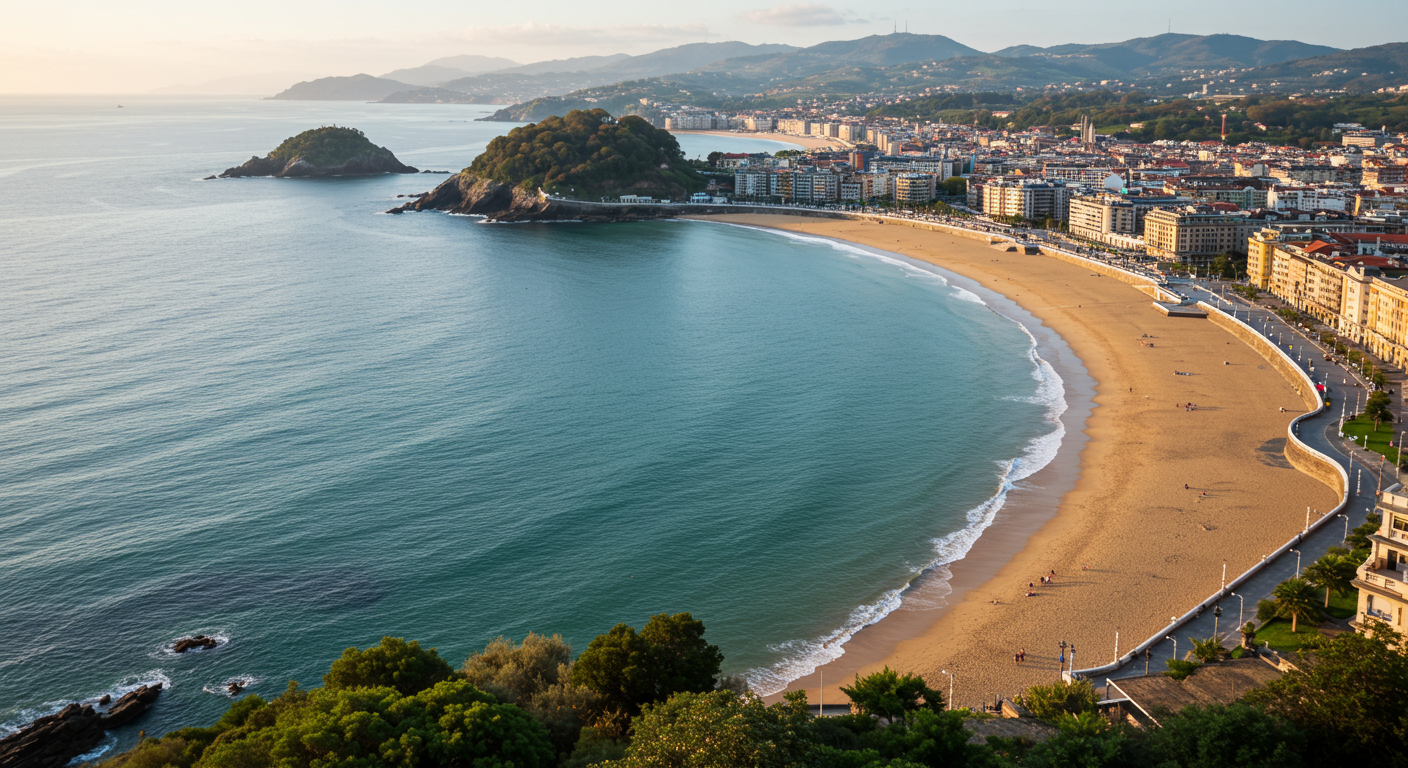
Cross the Urumea river to the Gros neighbourhood and the atmosphere shifts immediately. This is where locals actually live, and the pintxos bars here have a different feel — more regulars, less performance, slightly lower prices.
Bar Bergara
This is the Gros bar that gets most talked about, and it's earned it. The pintxos here have won national competitions, which sounds like the kind of thing that should make you suspicious, but the quality is consistent. The txangurro (spider crab) on toast is a benchmark. It's on Calle General Artetxe, five minutes' walk from the beach. Busy in the evenings but not unmanageable.
Bodega Donostiarra
More of a wine bar than a pintxos specialist, but worth knowing about. Good vermouth, decent txakoli, a rotating selection of simple pintxos that change daily. No queues. Nobody posing for photos. This is the version of San Sebastián that doesn't make it onto the food influencer itineraries, and that's precisely why it's relaxing.
The Mechanics of a Pintxos Crawl
If you've never done this before, a few things that nobody explains properly:
In most traditional bars, you take pintxos from the bar counter yourself and keep count of what you've had. You tell the bartender when you pay. It runs on an honour system that functions remarkably well. In the newer, more restaurant-style places, you order everything. Don't confuse the two systems or you'll either underpay accidentally or stand there waiting for service that isn't coming.
Txakoli is the default wine — it's local, slightly sparkling, low in alcohol (around 11%), poured from a height to aerate it, and goes with almost everything. If you want red wine, ask for a rioja or a ribera — both widely available. Sidra (cider) is also common, especially in more traditional spots.
A realistic crawl covers three or four bars, two or three pintxos per bar, one drink per stop. That's a full dinner. Don't try to do eight bars in one night; you'll end up bloated and you won't remember what was good.
Realistic Prices in 2026
A cold pintxo from the bar counter: €2–€2.80. A hot pintxo made to order: €3.50–€5. A glass of txakoli: €2–€3. A glass of local cider: €1.80–€2.50. A full crawl dinner for two, done properly, should come to €40–€60 including drinks — less if you stick to the cold counter pintxos, more if you're doing the creative tasting-style places.
Lunch is consistently better value than dinner for the same quality, and you'll get fresher product. The city does lunch seriously.
What About Michelin Stars and the Formal Restaurants?
San Sebastián has more Michelin stars per capita than almost anywhere else in the world — you'll see that claim everywhere and it checks out. Arzak, Mugaritz, Akelarre, Martín Berasategui: these are genuinely world-class restaurants and worth the expense if fine dining is your thing. But they're a separate category from pintxos. Don't confuse the two experiences or try to do both on the same evening. The starred restaurants require booking months in advance (Arzak typically 2–3 months ahead as of 2026, Mugaritz even further). Budget €200–€350 per person with wine.
For most people visiting for a long weekend, the pintxos crawl is the better use of time and money. It's more interactive, more social, and honestly more fun.
A Note on Timing and Crowds
July and August are brutal. The city is small and the volume of visitors in high summer turns the Parte Vieja into something that stops being enjoyable. September is the sweet spot — the Semana Grande festival is in August, the summer crowds thin out, the weather is still good, and the locals come back. October and November are genuinely excellent: fewer tourists, the same quality, and you can actually get a spot at La Cuchara at 8pm without planning your entire afternoon around it.
If you're planning a trip and sorting out logistics — visas, residency paperwork, bank accounts — before a longer stay in the Basque Country, it's worth reading up on how to open a Spanish bank account as a non-resident and, if you're working remotely, the Spanish Digital Nomad Visa minimum salary requirements before you arrive.
San Sebastián rewards the unhurried visitor. Give it three days minimum — two is technically possible but you'll spend one of them just getting your bearings. The pintxos crawl is the best possible way to understand a city that takes food more seriously than almost anywhere else in Europe.
Frequently asked questions
- How much should I budget per person for a pintxos crawl in San Sebastián?
- As of 2026, budget roughly €20–€30 per person for a proper crawl covering three or four bars, with two or three pintxos and one drink at each stop. Cold bar pintxos run €2–€2.80 each; hot made-to-order ones are €3.50–€5. Txakoli wine is typically €2–€3 a glass.
- What's the best neighbourhood for pintxos in San Sebastián?
- The Parte Vieja (Old Town) has the highest concentration of good bars and is the natural starting point. For a more local, less tourist-heavy experience, the Gros neighbourhood across the river is excellent — Bar Bergara in particular is worth the short walk.
- When is the best time of day to eat pintxos in San Sebastián?
- Lunch (roughly 12:30–2pm) is often better than the evening crawl because the pintxos on the bar are freshest and turnover is high. For the evening, arrive early — 7–8pm — before the bars get crowded and the cold pintxos have been sitting out for hours.
- Do you need to book a table for pintxos bars in San Sebastián?
- No — traditional pintxos bars are stand-up affairs with no reservations. You walk in, grab a spot at the bar, pick pintxos from the counter or order from a chalkboard. The exception is more restaurant-style places like La Cuchara de San Telmo, which still doesn't take bookings but does require patience with the queue.
- Is San Sebastián worth visiting outside of summer?
- Absolutely — September and October are arguably the best months. The crowds thin significantly, the weather is usually mild, and the quality of food and service is the same. July and August bring heavy tourist volumes to a city that's geographically quite compact.
- What is txakoli and should I drink it with pintxos?
- Txakoli (also spelled txakolina) is a local Basque white wine — slightly fizzy, low in alcohol (around 11%), dry and crisp. It's poured from a height to aerate it. It pairs well with almost everything on a pintxos bar and is the default choice. Expect to pay €2–€3 a glass.
- What's the difference between pintxos and tapas?
- Pintxos are the Basque Country's version — typically small portions served on bread, often skewered with a toothpick (pintxo means spike in Basque), and displayed on the bar counter. Tapas is the broader Spanish term for small dishes, which in many regions arrive free with a drink. In San Sebastián, you pay for every pintxo individually.