Best Quiet Coves on the Costa Verde: Asturias Beaches Guide
The best quiet beaches in Asturias, Spain — wild coves, golden strands and clifftop walks on the Costa Verde, with honest tips on access, crowds and timing.
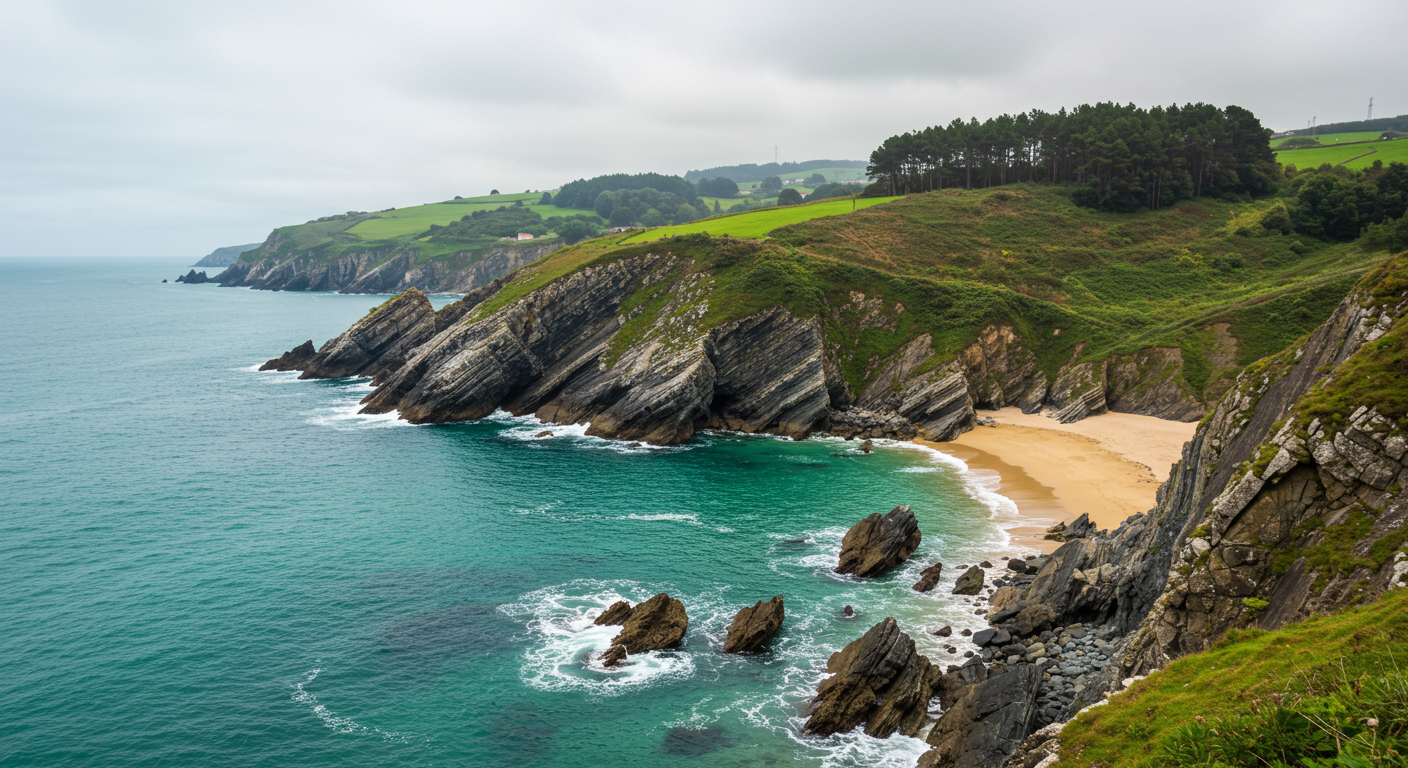
The Best Quiet Beaches in Asturias, Spain
Asturias has somewhere around 200 kilometres of coastline and, outside a few well-photographed spots, most of it is almost embarrassingly empty even in high summer. The best quiet beaches in Asturias sit behind cliffs, down unpaved tracks, or simply in towns that British tourists haven't quite discovered yet. If you want Maldives-blue water, dramatic rock arches and a decent bocadillo de calamares at the end of it — without sharing your towel space with a stranger — this is where to come.
The short answer: the quietest, most rewarding Asturian beaches are Playa de Gulpiyuri, Playa de Torimbia, Playa del Silencio, and the coves around Cabo de Peñas. None of them require a boat. All of them reward arriving before 11am in July or August. Go in June or September and you may genuinely have them to yourself.
Why Asturias Stays Quiet (and Why That's About to Change)
Asturias doesn't have sun. Not reliably, anyway. The Costa Verde earns its name — it rains here, the hills are genuinely green, and the sea temperature in August hovers around 18–20°C rather than the bathwater warmth of the Mediterranean. That puts off the average beach holiday crowd, which suits the rest of us perfectly.
But word is spreading. Low-cost flights into Asturias Airport (Ranón) from London, Dublin and a handful of other cities have opened the region up. Gulpiyuri has been on Instagram for years now. The trick is knowing which beaches have caved to the crowds and which haven't — and how to time your visit.
Playa de Gulpiyuri: Inland Sea, Worth the Hype?
Yes, actually. Gulpiyuri is a tiny beach — barely 50 metres wide at low tide — that sits completely inland, fed by underground channels from the sea. It's geologically absurd and genuinely beautiful. The water is calm even when the Atlantic is rough, which makes it oddly good for children.
The problem is that everyone knows about it. On a Saturday in August you'll arrive at the car park in Naves to find it full by 10am, and the path down to the beach will feel like a queue. Go on a Tuesday in late September and it's a different story entirely. The beach is a 10-minute walk from the village of Naves, near Llanes — there's no parking at the beach itself, which keeps the worst of the crowds at bay.
Entry is free. There are no facilities. Bring water.
Playa del Silencio: The One Everyone Mentions Second
The name is doing a lot of work here. Silencio — silence. It's not always silent, especially not on summer weekends, but the geography earns it a kind of hush regardless. The beach sits at the base of a steep path through eucalyptus forest, about 20 minutes on foot from the village of Castañeras, near Cudillero. The surrounding rock formations are extraordinary — layered slate shelves and sea stacks that frame the cove like something from a geology textbook.
The water is cold and the undertow can be strong. Swim here with care; there are no lifeguards. That's partly why it stays quieter than it might otherwise be. As of 2026, there's a parking area above the beach with a modest fee (around €5 in summer — check locally as it changes), and the path is well-maintained but steep enough to be a deterrent for some.
I'd put this in the top five beaches in Spain, full stop. The fact that it's in Asturias rather than Andalusia is why you've probably never heard of it.
Playa de Torimbia: The Nudist Cove That Isn't Just for Nudists
Torimbia is a horseshoe-shaped cove near the village of Niembro, framed by green headlands on both sides. It's officially clothing-optional, which means the crowd self-selects into people who are there for the beach rather than the scene. In practice it's relaxed and unpretentious.
Access is on foot only — the road to the beach has been closed to vehicles for years, and the walk from the car park takes around 20–25 minutes along a path with sea views. That walk is the best natural crowd filter I've encountered on any Spanish beach. The sand is wide and golden, the water reasonably clear, and on a weekday in June you might count the other visitors on one hand.
The nearby village of Llanes has good places to eat afterwards — skip the tourist-facing restaurants on the main square and walk one street back. You'll find better food for less money almost immediately.
Cabo de Peñas: The Coves Nobody Talks About
Cabo de Peñas is the northernmost point of the Iberian Peninsula, and it's extraordinary. Most people drive to the lighthouse, take a photo and leave. The smarter move is to park near the lighthouse and walk west along the clifftop path — within 30 minutes you'll find a series of unnamed coves accessible by scrambling down the rocks. None of them have facilities. Some of them are barely accessible at high tide. All of them are spectacular.
The sea here is proper Atlantic — cold, clear, with that particular deep blue you only get when the water is genuinely deep. Bring shoes you don't mind getting wet.
The nearest town is Luanco, which is a working fishing town with a decent fish market and zero tourist infrastructure. Lunch there is straightforward and cheap — €12–15 for a menú del día including wine, as of 2026.
Three More Worth Knowing
Playa de Andrín, near Llanes, is longer and more accessible than Torimbia but still sees a fraction of the visitors of better-known Asturian beaches. The backdrop of the Picos de Europa mountains visible on clear days is genuinely hard to beat.
Playa de Frexulfe, near Navia in western Asturias, is a long wild strand backed by dunes and pine forest. Very few tourists make it this far west. There's a campsite nearby that's popular with Spanish families in August, so avoid peak weekends if you want solitude.
Playa de la Atalaya, in Cudillero, is a tiny harbour beach rather than a wild cove, but Cudillero itself — a fishing village built on near-vertical slopes — is one of the most visually striking places on the whole coast. Worth an afternoon even if you don't swim.
When to Go
June and September are the answer for almost every question about Asturian beaches. The water is still cold in June (15–17°C), but the beaches are empty, the light is good from mid-morning and the accommodation prices are significantly lower. September is warmer in terms of air temperature and the sea has had the summer to heat up slightly. July and August bring more reliable sunshine but also more people and higher prices.
March and April are beautiful for coastal walking — dramatic skies, rough seas, wildflowers on the clifftops — but swimming is for the very committed.
Getting There and Getting Around
Without a car, Asturias's beaches are difficult. The coastal bus network (ALSA runs most of it) connects the main towns, but the trailheads and car parks for wild coves are rarely on any route. Renting a car in Oviedo or Gijón is straightforward and not especially expensive — expect to pay €30–50 per day for a small car in summer, depending on how far ahead you book.
If you're thinking about making Asturias a longer base — working remotely from a rented house near the coast — the practical side of getting set up in Spain is worth thinking through early. Renting in Spain without a Spanish payslip is genuinely achievable but requires knowing what landlords will accept instead. And if you're new to Spain entirely, your first bureaucratic hurdle is usually the NIE — the wait times for appointments vary wildly by province, and Oviedo is no exception.
For those considering Asturias as a slow-travel base for a few months, it's worth knowing that healthcare cover before your TIE card arrives is one of the things most people don't think about until they need it.
A Word on Crowds and Conservation
Some of these beaches are fragile. Gulpiyuri in particular has suffered from visitor pressure — the grass around it has been tramped flat, litter appears despite bins, and the local council has had to introduce informal access controls at peak times. Stick to marked paths, don't picnic on the dune vegetation, and take your rubbish with you. It sounds obvious but evidently it needs saying.
Asturias's coast is protected under various designations, and there are periodic debates about whether to limit access to the most vulnerable spots. The best thing visitors can do is behave as if they care about the place — because if you're coming this far for this kind of beach, presumably you do.
The single best piece of advice for any of these beaches: set an alarm. The difference between arriving at 9am and 11am in July is the difference between a quiet morning on the sand and a 40-minute queue for a parking space. Asturias rewards early risers and punishes the leisurely.
Frequently asked questions
- What are the best quiet beaches in Asturias for avoiding crowds?
- Playa del Silencio (near Cudillero), Playa de Torimbia (near Niembro) and the coves around Cabo de Peñas are consistently the quietest. All require a walk from a car park, which naturally limits numbers. Visiting on weekdays in June or September makes a significant difference.
- Is the water warm enough to swim in Asturias in summer?
- Just about. Sea temperatures in July and August typically reach 18–20°C — cold by Mediterranean standards but manageable. June is 15–17°C, which most people find bracing rather than comfortable. September is often the sweet spot: slightly warmer water, fewer people, better weather than you might expect.
- Do you need a car to visit Asturias beaches?
- For the wild coves and quieter beaches, yes — a car is essentially necessary. ALSA buses connect Oviedo, Gijón and Llanes to the main coastal towns, but the trailheads for places like Silencio or Torimbia aren't served by public transport. Car hire from Oviedo or Gijón is the practical solution.
- Is Playa de Gulpiyuri really worth visiting?
- Yes, if you time it right. It's genuinely extraordinary — an inland beach fed by underground sea channels — but it's well-known and gets crowded on summer weekends. Visit on a weekday, arrive before 10am in July or August, or go in September. The beach is a short walk from the village of Naves, near Llanes.
- Are Asturias beaches safe for swimming?
- The wilder beaches like Playa del Silencio have no lifeguards and can have strong undertows. Stick to flagged areas where they exist, check local conditions, and treat the Atlantic with respect — it's not the Mediterranean. Beaches in towns like Llanes or Ribadesella have seasonal lifeguard cover.
- Can I base myself in Asturias as a digital nomad or long-term visitor?
- Absolutely — it's increasingly popular among remote workers who want green countryside, empty beaches and lower costs than Madrid or Barcelona. Rental prices in smaller Asturian towns are significantly cheaper than Spain's main cities. You'll still need to navigate the standard Spanish bureaucracy around residency and tax, which takes some planning.
- What is the best time of year to visit Asturias for beaches?
- Late June and September are the sweet spots — fewer crowds, reasonable weather, and accommodation prices well below the August peak. July and August bring the most reliable sunshine but also the most visitors. Asturias is wetter than the rest of Spain, so even in summer, pack a layer and expect the occasional grey morning.