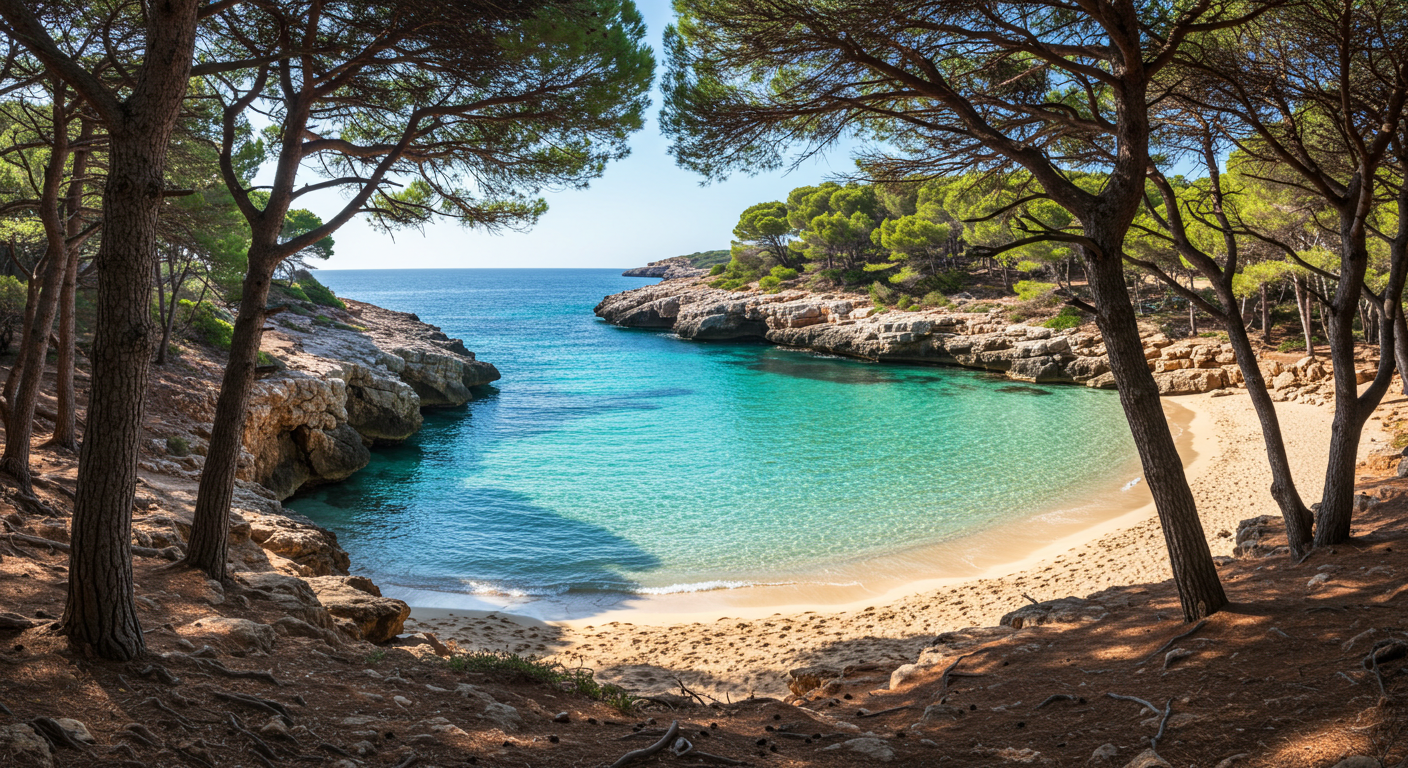
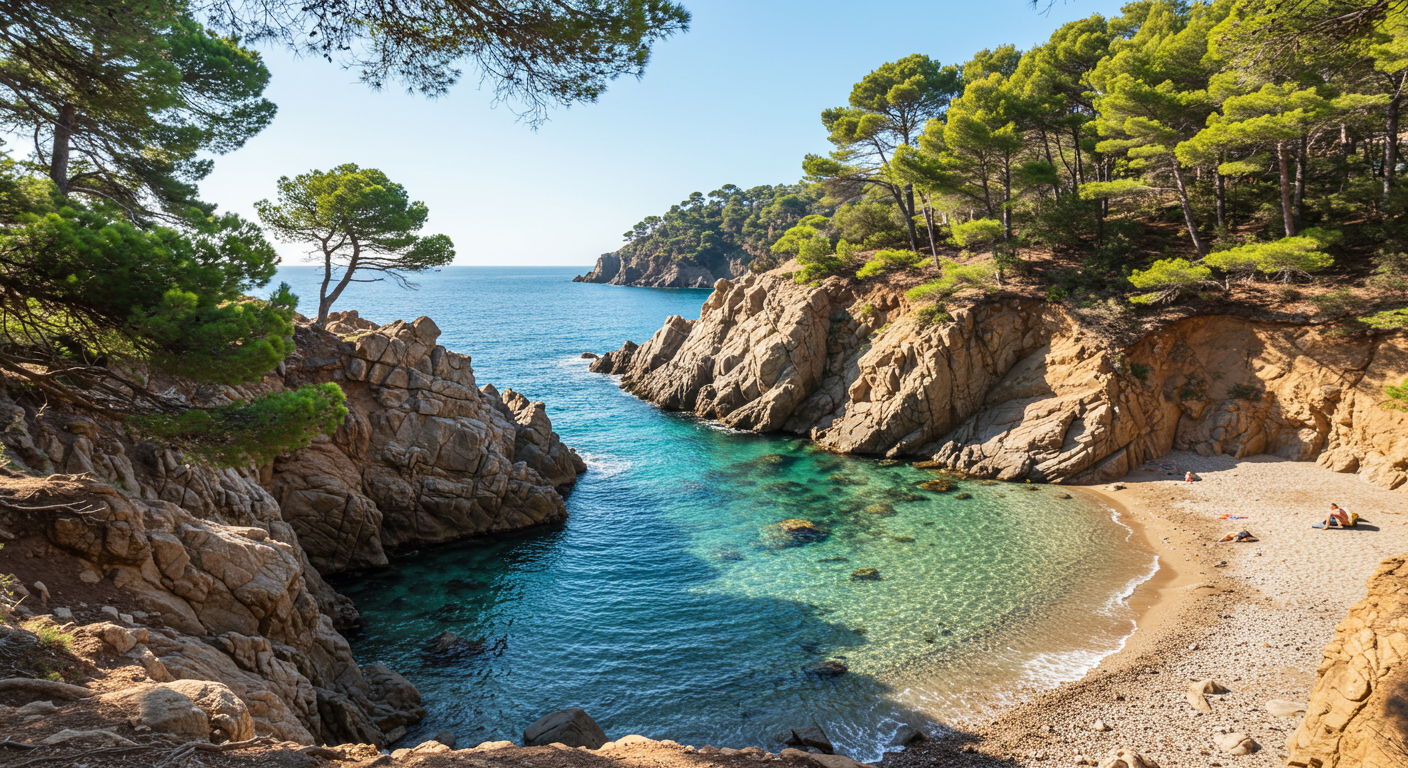
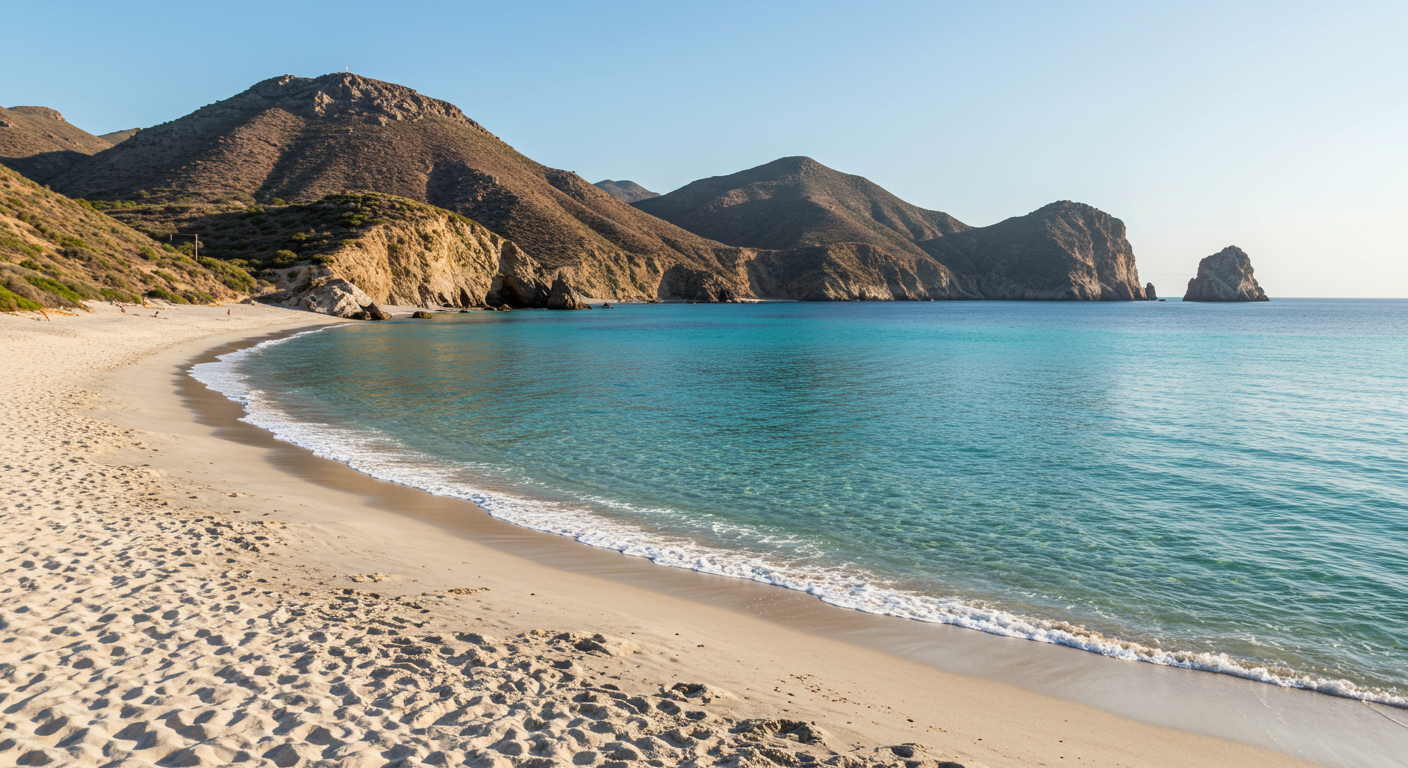
Quietest Balearic Coves in Summer: Mallorca, Menorca & Ibiza
Find the quietest coves in the Balearic Islands in summer — honest picks for Mallorca, Menorca and Ibiza with access tips, timing and what to skip.
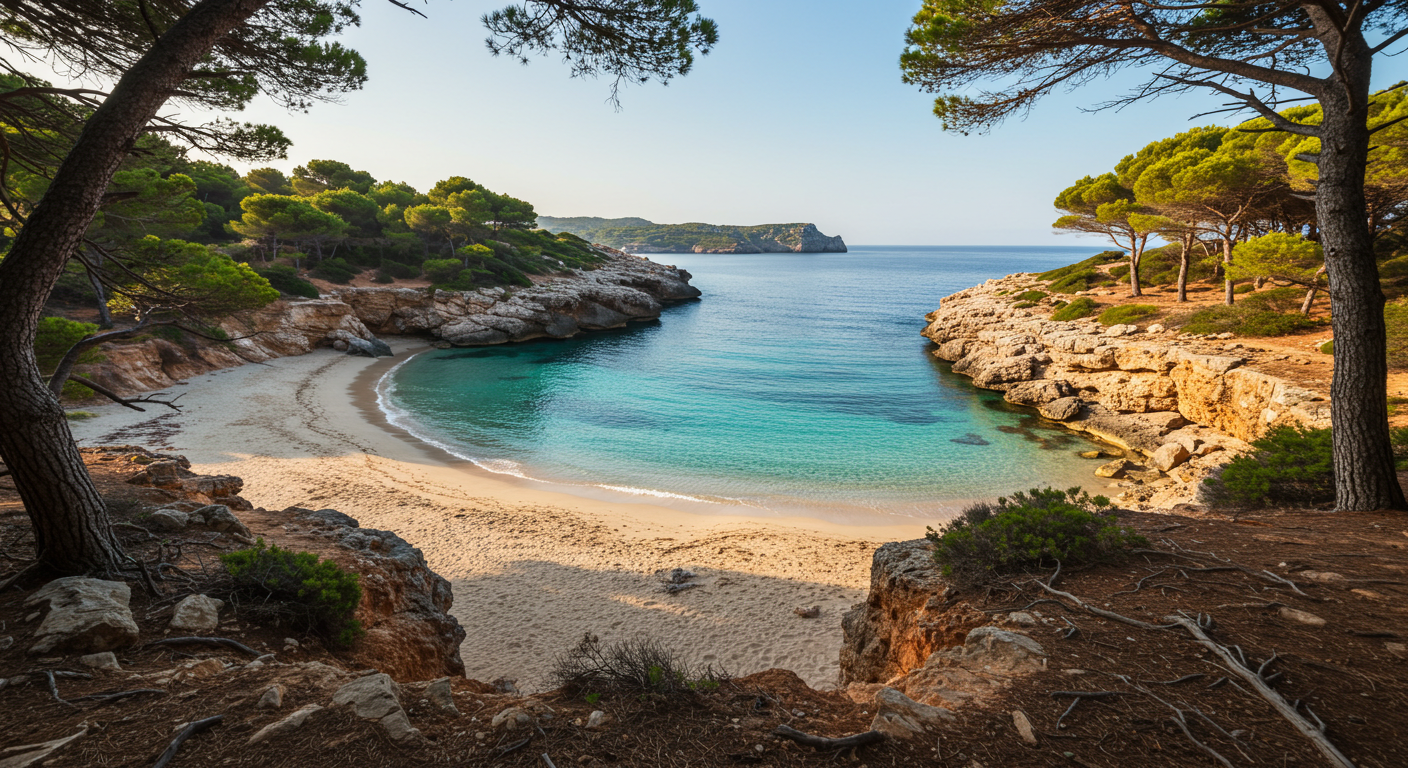
August on Mallorca's Playa de Muro — 6 km of pale sand, 40,000 sun loungers, a queue for the car park that starts at 8 a.m. — is not everyone's idea of a holiday. It's certainly not mine. The Balearics have a reputation problem: they're sold as three islands of infinite turquoise water, and they absolutely are that, but the brochure forgets to mention the jet-ski noise, the €5 bottles of water and the fact that some of the most famous coves are now so crowded in July and August that local authorities have introduced reservation systems just to get down the path.
The good news is that the quietest coves in the Balearic Islands in summer are still there — you just have to know which ones, when to go, and how to get there without joining a convoy of hire cars. I've spent several summers across all three main islands, usually arriving by overnight ferry from Barcelona or Valencia to avoid peak flight prices, and what follows is the honest version: not every beach, just the ones worth the effort.
Why the Balearics Are Genuinely Worth It in Summer (If You're Strategic)
The Mediterranean is flat-calm from June through September. Water temperature sits around 26–28°C in August. The light in late afternoon turns the limestone cliffs copper. There's a reason people keep coming back despite the crowds and the prices — the sea really is that good.
But the islands are not equal, and even within each island the experience varies enormously depending on where you sleep, when you arrive at the water and whether you're willing to walk ten minutes more than everyone else.
A note on prices, as of summer 2026: expect to pay €150–€300 per night for a decent apartment rental in peak season on Mallorca or Ibiza; Menorca runs slightly cheaper at €100–€220 for similar quality. Car hire books out fast — reserve at least six weeks ahead or you'll be paying surge pricing at the airport desk. Ferry crossings from the peninsula are often cheaper than flights once you factor in luggage fees, and you arrive rested.
Mallorca: Go East, Not South-West
Everyone goes to the south-west: Cala Pi, Es Trenc, the Calvià coast. Es Trenc is genuinely beautiful — a long, undeveloped sandy sweep near Colònia de Sant Jordi — but it now has a paid parking system (around €10 a day) and a shuttle bus in August. Worth it? Yes, if you're there before 9 a.m. or after 5 p.m. Otherwise you're lying elbow-to-elbow.
The east coast is where Mallorca earns its quieter reputation. Cala Varques, south of Manacor, requires a 25-minute walk across private farmland (the landowner charges a nominal fee, usually €2–3 per person, paid at a little wooden box near the gate). The cove is rocky, the water is deep and clear green, and the only facilities are the rocks you sit on. Get there by 10 a.m. in August and you'll find a crowd; get there at 8 a.m. or walk back at 5 p.m. when the day-trippers leave, and it feels like a different place.
Cala Bota and Cala Pilota, a short walk further along the same coastline, are smaller and rockier still — no sand to speak of — but the snorkelling is better precisely because fewer people have been churning up the seabed.
Further north on the east coast, around Artà, Cala Torta and Cala Mitjana are accessed via a dirt track that discourages large coaches. Cala Torta has a beach bar that does a decent bocadillo and cold beer. Neither cove has sunbed rental. Both have the kind of silence that feels like a small miracle in August.
The Serra de Tramuntana in the north-west is a different experience entirely — dramatic, cooler, with the sea visible from high mountain roads. Cala Tuent, reached by a winding single-track descent from the Sóller area, has a restaurant (Sa Bassa, reliable fish, book ahead), a pebble-and-sand beach, and a mountain backdrop that makes it look slightly unreal. It's not unknown, but the road keeps the volumes manageable.
What to Skip in Mallorca
Port de Sóller town beach: overrun, mediocre water quality. Magaluf beach: exactly what you think it is. Cala Millor in peak August: wall-to-wall sunbeds, no shade, aggressively average. The inland market at Sineu on Wednesdays, however, is genuinely worth a morning.
Menorca: The Calmest of the Three
Menorca is the one I keep coming back to. It's the least developed of the main islands by design — UNESCO Biosphere Reserve status since 1993 has kept the worst of the construction at bay. The south coast is a sequence of pale sand coves cut into limestone, most of them reachable only on foot or by boat. The north coast is wilder, darker sand, rougher when the Tramuntana wind blows (which it does, often).
Cala Macarella and its smaller sibling Cala Macarelleta are the most photographed coves on the island — that aquamarine, that pine-backed cliff face — and they deserve the reputation. The walk from the car park near Ciutadella takes about 20 minutes. In July and August, go early (pre-9 a.m.) or late (post-6 p.m.) and you'll have it almost to yourself. Midday in August it's rammed. There's now a vehicle restriction in force in summer, so check the current access rules before driving down.
For genuinely quiet water, the south coast coves between Cala en Turqueta and Son Saura require 30–45 minute walks on sandy paths through low pine forest. Carry water. There are no facilities. The payoff is a beach you might share with six other people on a Tuesday in late July.
Cala Pregonda on the north coast is the one locals mention in the same breath as 'best on the island'. Reddish-orange rocks, small islets just offshore, sea that goes from turquoise to deep blue within 50 metres. The walk from the nearest road is about 40 minutes each way. Most people don't bother. Their loss.
Ciutadella itself is worth a night or two — the old port, the narrow streets, the evening paseo along the waterfront, the fact that it feels like a real Menorcan town rather than a resort. Maó (Mahón) in the east has the world's second-largest natural harbour and a Wednesday market that's relaxed and local. Gin is the island's other thing — the British left that behind in the 18th century — and the local Xoriguer gin distillery in Maó does free tastings.
Ibiza: Yes, There Are Quiet Coves. No, Really.
Ibiza's party reputation is real and loud, but it's concentrated in the west and south-west: San Antonio, Playa d'en Bossa, the strip between Ibiza Town and Sant Josep. Avoid those if noise isn't your thing.
The north of the island is a different proposition. Cala d'en Serra, near Portinatx, is down a rough track and has a handful of wooden fishing platforms, a few moored boats and water so clear you can see the bottom at 4 metres. There's a small beach bar that does cold drinks and simple food. It rarely gets overcrowded because the road puts off the coaches.
Cala Xarraca, also in the north, is shallow and warm — good for children, good for snorkelling around the small islets. Cala Benirrás is famous for Sunday sunset drumming sessions (a long-running tradition, check locally whether it's still happening as of 2026), and the cove itself, backed by high cliffs, is striking any day of the week.
The east coast around Santa Eulària des Riu is calmer in character. Cala Mastella is tiny, has a wooden jetty, and a restaurant (El Bigotes) that serves only fish caught that morning, costs around €35–40 a head, and requires a reservation days in advance. It's one of those places that sounds like a cliché until you're actually sitting there eating grilled dentex with your feet almost in the water.
Formentera, the small island accessible by fast ferry from Ibiza port (30 minutes, around €25–35 return), deserves a mention here. Illetes beach is the kind of Caribbean-blue, white-sand thing that makes you question whether you're still in Europe. The island is flat, small and best explored by bicycle. It gets busy in August but not Ibiza-Town busy — the ferry crossing naturally limits numbers.
Ibiza Honestly
Ibiza Town (Dalt Vila, the old walled city on the hill) is genuinely worth an evening: good restaurants, the ramparts at sunset, a less frenetic atmosphere than the beach clubs. But accommodation in and around Ibiza Town in August is expensive — budget €200+ per night for anything decent. The supermarkets are well-stocked and cheap. Eating at the beach clubs is not.
Practical Notes for Summer 2026
A few things nobody puts in the headline:
- Reservations for coves: Menorca and Mallorca both have active vehicle access restrictions on certain roads in July and August. Check the island's tourism websites before you drive anywhere remote — the rules change year to year and fines are real.
- Water: carry more than you think. Most coves have no facilities. A litre per person per hour in direct sun is not an exaggeration.
- Timing: the Mediterranean sunrise is around 6:30 a.m. in July. The coves are empty then. By 11 a.m., the day-trippers arrive. By 5 p.m., they leave. Plan around this.
- Ferries vs flights: the overnight ferry from Barcelona to Palma (Trasmediterránea or Baleària) takes about 7–8 hours, costs €60–120 depending on cabin type, and means you arrive at 7 a.m. ready to go rather than queuing at an airport at 5 a.m.
- If you're thinking of relocating: the Balearics are popular with foreign residents, but the bureaucratic process is the same as anywhere in Spain. You'll need your NIE sorted before you can do much — and if you're moving from outside the EU, timelines matter. Worth reading about healthcare cover before your TIE arrives if you're planning a longer stay, or if you're considering working remotely from the islands, the Spanish Digital Nomad Visa income requirements are worth understanding before you commit.
The Balearics in summer are not a secret and they're not cheap. But the quietest coves are still there, still clear, still worth getting up early for. The main thing separating the crowded beaches from the peaceful ones is usually about 20 minutes of walking and a willingness to go before 9 a.m.
Frequently asked questions
- Which Balearic island has the quietest beaches in summer?
- Menorca is consistently the quietest of the three main islands. Its south coast coves — Cala en Turqueta, Son Saura, Cala Pregonda — require walks of 30–45 minutes from the road, which keeps numbers low even in August. Ibiza's north coast and Mallorca's east coast offer pockets of calm, but Menorca's UNESCO Biosphere status has limited development island-wide.
- Do you need to reserve access to coves in the Balearic Islands?
- Some, yes. Menorca and Mallorca have introduced vehicle access restrictions on certain coastal roads in July and August, and a handful of the most popular coves now require advance reservations or operate shuttle buses. Check the relevant island tourism authority's website before travelling — the rules are updated each season and fines for ignoring them are genuine.
- What is the best time of day to visit Balearic coves in summer?
- Early morning — before 9 a.m. — or late afternoon after 5 p.m. Day-trippers typically arrive mid-morning and leave by early evening, so the same cove that's elbow-to-elbow at noon can be almost empty an hour before sunset. Sunrise in July is around 6:30 a.m., which gives you a genuinely peaceful window.
- Is Formentera worth the ferry from Ibiza?
- Yes, for a day trip or a short stay. The fast ferry from Ibiza port takes about 30 minutes and costs roughly €25–35 return as of 2026. Illetes beach on the north tip has exceptionally clear, shallow water. The island is small and flat — a bicycle is the best way to get around. It gets busy in August but the ferry crossing naturally caps visitor numbers.
- Can you get to Balearic coves without a hire car?
- For the most accessible ones, yes — local buses (TIB on Mallorca, TMSA on Menorca) cover the main routes, and some coves are reachable on foot or by bicycle from nearby towns. For the truly remote coves, a hire car or scooter makes life significantly easier, though book well ahead in summer. Boat trips from coastal ports also reach several coves that have no road access at all.
- How expensive is a week in the Balearics in August?
- Accommodation is the big variable. A decent apartment in Mallorca or Ibiza runs €150–300 per night in peak August 2026; Menorca is slightly cheaper at €100–220. Car hire adds €50–80 per day if booked late. Food costs are reasonable if you eat at local restaurants inland rather than beach clubs — a menú del día is typically €12–15. Budget roughly €200–350 per person per day all-in for a comfortable trip in peak season.
- Are the Balearic Islands a good base for longer-term living?
- They're popular with foreign residents, particularly Mallorca and Ibiza, but the cost of housing is high — among the highest in Spain. If you're considering relocating and working remotely, it's worth understanding the Spanish Digital Nomad Visa requirements and the bureaucratic steps involved, including getting your NIE and registering for healthcare. The islands have the same administrative system as the mainland, just with extra ferry logistics.