Eating San Sebastián: The Honest Guide to Pintxos, Fine Dining and Everything in Between
A practical, opinionated guide to eating in San Sebastián — from the best pintxos bars in the Parte Vieja to Michelin-starred dining, with realistic prices for 2026.
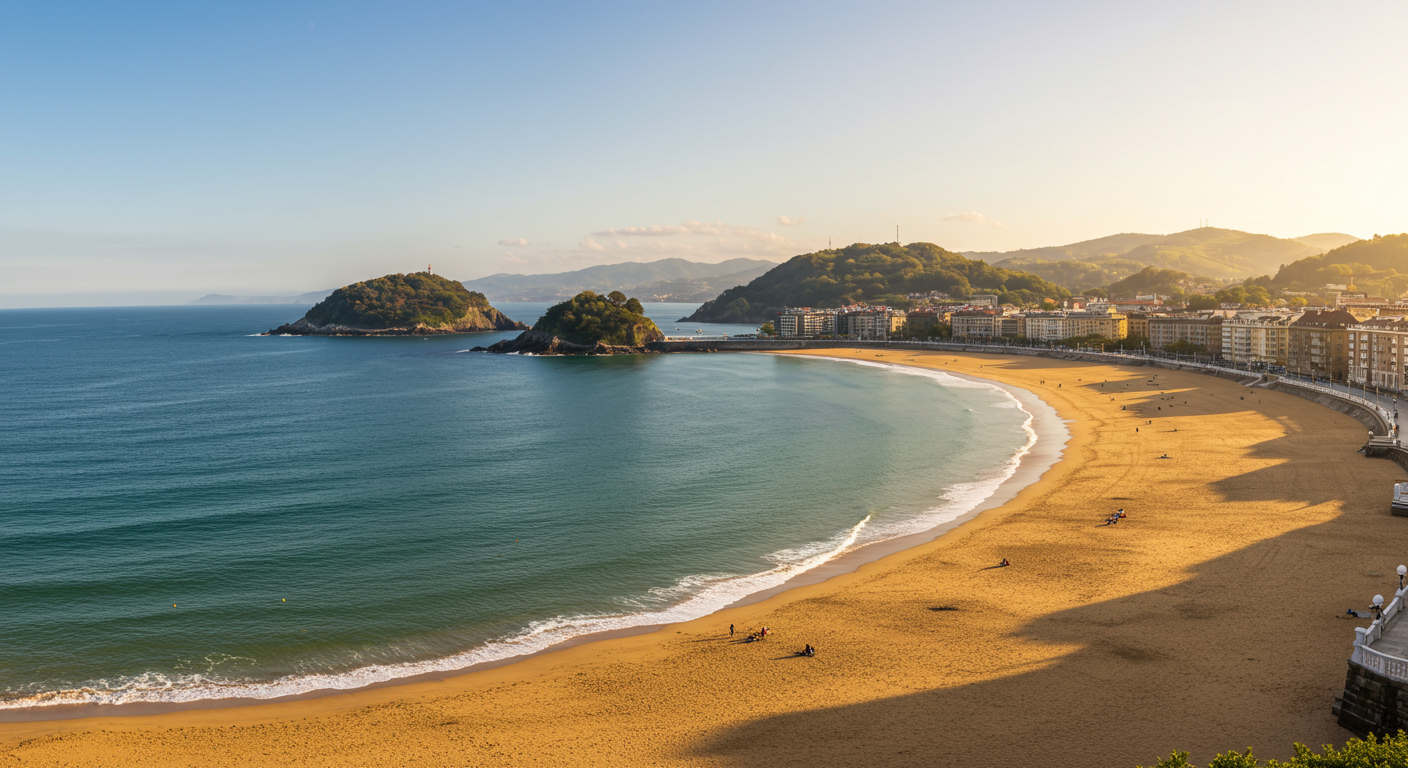
San Sebastián — Donostia to the Basques — has more Michelin stars per square kilometre than almost anywhere else on earth. That fact gets repeated so often it has started to feel like a tourist-board slogan. But spend a few days eating your way around this compact, rain-kissed city on the Bay of Biscay and you will understand why the statistic keeps getting trotted out: the food really is that good, and it runs from a €2.50 pintxo eaten standing at a zinc bar to a €300 tasting menu in a converted villa above the city.
This guide is for people who want to eat well across the full spectrum — not just the famous restaurants, not just the cheap bars, but the whole picture. We have included realistic 2026 prices, honest opinions about which queues are worth joining, and enough practical detail that you can plan your meals before you arrive.
Understanding the Pintxos Culture
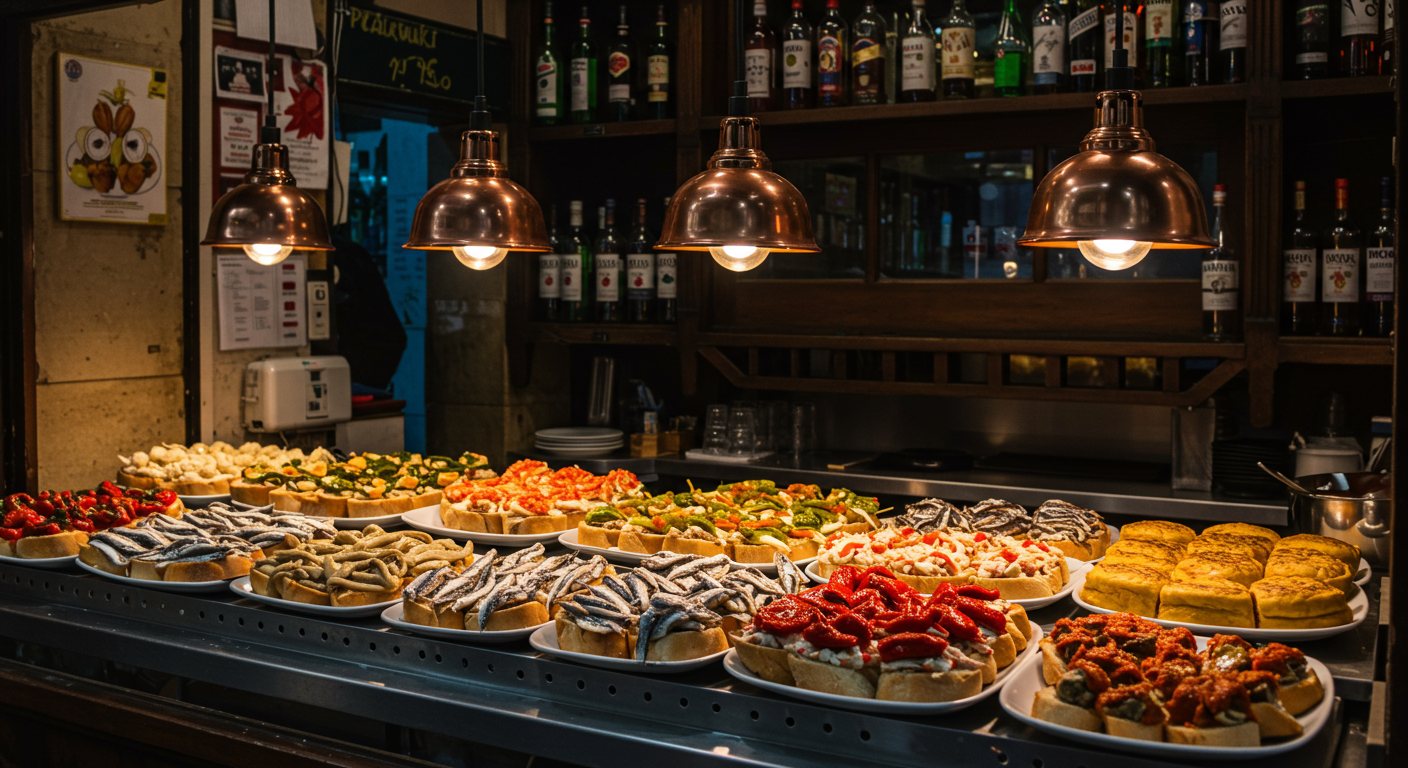
Pintxos (pronounced peen-chos) are the Basque answer to tapas, though any local will bristle at the comparison. Where a tapa is often a small portion of a larger dish, a pintxo is typically a single composed bite — a slice of baguette topped with something precise and deliberate, anchored by a cocktail stick. The word pintxo literally means spike or skewer.
The Parte Vieja, the old town, is the epicentre. Its narrow grid of streets — particularly Calle 31 de Agosto, Calle Fermín Calbetón and Calle San Jerónimo — is lined with bars whose counters are laden with trays of pintxos from around 11am onwards. The protocol is simple: walk in, study the bar, point at what you want, order a drink (a small zurito of local draft beer, a glass of crisp Txakoli white wine, or a kalimotxo if you are feeling retro), eat standing, pay when you leave.
As of 2026, expect to pay between €2.50 and €4.50 per pintxo in most old-town bars. A round of three pintxos and a drink will typically come to €12–16 per person — genuinely good value given the quality.
The Bars Worth Seeking Out
Bar Nestor on Calle Pescadería is famous for two things: a tortilla de patatas that is made only twice a day (at 1pm and 8pm) and a grilled tomato salad with salt flakes that people travel specifically to eat. Arrive fifteen minutes before service and put your name down for a slice of tortilla — it sells out in minutes and there is no negotiation.
La Cuchara de San Telmo on Calle 31 de Agosto operates differently from most pintxos bars. Rather than a counter of pre-made bites, almost everything here is cooked to order — foie gras with apple, slow-cooked veal cheek, crunchy pig's ear. It is busier and slightly more expensive than its neighbours (€3.50–€5.50 per pintxo) but the quality is a level above.
Borda Berri, also on Fermín Calbetón, is a local favourite that has somehow maintained its neighbourhood feel despite appearing in every food guide published in the last decade. The risotto of idiazabal cheese and the braised pork ribs are outstanding. Arrive early — by 8.30pm on a weekend it is shoulder-to-shoulder.
Gandarias on Calle 31 de Agosto is the place to eat gilda — the original pintxo, invented in San Sebastián in the 1940s, consisting of an olive, a pickled guindilla pepper and an anchovy on a stick. Named after Rita Hayworth's character in the 1946 film, it is salty, briny and addictive. Gandarias does one of the best in the city.
Zeruko is where pintxos start to feel like miniature fine dining. The bar does elaborate, technically ambitious small plates — smoked cod with pil-pil sauce under a glass cloche, txangurro (spider crab) with caviar — that blur the line between bar snack and restaurant course. Prices reflect this: €4–€6 per piece.
The Art of the Pintxos Crawl
The locals do not eat at one bar all evening. They move — two or three pintxos here, a glass of wine there, a quick stop somewhere else. This is txikiteo, the Basque pub crawl, and it is both a social ritual and a genuinely efficient way to eat a wide range of food without committing to a full meal anywhere.
A practical route: start at the western edge of the Parte Vieja around 7.30pm, work eastwards towards the harbour, and finish near the Bretxa market. Budget two hours and roughly €25–35 per person for a satisfying crawl that covers four or five bars. Pace yourself — the portions are small but they accumulate.
One tip that will serve you well: avoid the bars on the main tourist drag of Calle Mayor near the cathedral. They are fine, but they are trading on location rather than quality. Push one street back in any direction and the bars improve immediately.
Sitting Down: Mid-Range Restaurants
Not every meal in San Sebastián needs to be eaten standing up. The city has a strong mid-market restaurant scene that sits between pintxos bars and the Michelin stratosphere.
Bodegón Alejandro in the Parte Vieja is a proper Basque restaurant — white tablecloths, serious wine list, dishes that take time and technique. The kokotxas al pil-pil (cod cheeks in their own gelatinous sauce) is the dish to order. A three-course lunch with wine runs to around €35–45 per person, which is reasonable for what you get.
Narru in the newer part of town near the Kursaal conference centre does contemporary Basque cooking without the theatrics of the fine-dining world. The tasting menu at around €65 (as of 2026) represents good value and changes with the seasons.
Kokotxa in the old town has a Michelin star but prices that feel almost mid-range by San Sebastián standards — a set lunch menu for around €50 per person. Book well in advance.
For something more casual, Bar Sport near the Ayuntamiento is a genuine local institution — packed at lunchtime with office workers, serving a menú del día (set lunch) of three courses with wine for around €14. The food is traditional, the atmosphere is loud and cheerful, and it is about as far from the tourist experience as you can get in the centre of town.
The Michelin Tier: What to Know Before You Book
San Sebastián's three three-Michelin-starred restaurants — Arzak, Akelarre and Martín Berasategui — are among the most celebrated in the world. A fourth, Mugaritz, holds two stars and a reputation for the most challenging, conceptual cooking in the Basque Country. These are not casual bookings.
Arzak, run by Juan Mari Arzak and his daughter Elena, is the most approachable of the three-star restaurants in atmosphere — it feels like a family home that happens to serve extraordinary food. The tasting menu runs to approximately €280–320 per person without wine as of 2026. Bookings open months in advance and are released online; the waiting list is real.
Akelarre, perched on Monte Igueldo with views over the Atlantic, adds theatre to the equation. Chef Pedro Subijana has been cooking here since 1975. The tasting menu is similarly priced to Arzak. The setting alone — glass walls, ocean below — is worth the journey.
Martín Berasategui is technically outside San Sebastián, in the village of Lasarte-Oria (a fifteen-minute taxi ride). Many argue it is the finest meal available in the Basque Country. The tasting menu costs around €295–340 per person. Book at least three months ahead.
A practical note: if you are travelling to San Sebastián specifically for a Michelin meal, sort the reservation before you book your flights. These restaurants fill up faster than the accommodation.
Beyond the Old Town: Gros and the Harbour
The neighbourhood of Gros, across the Urumea river from the Parte Vieja, has developed its own strong food identity over the past decade. It is slightly younger, slightly less polished, and worth exploring.
Bergara Bar on Calle General Artetxe in Gros is frequently cited as having the best pintxos outside the old town — the txalupa (a boat-shaped pastry filled with crab and béchamel) is particularly good. The neighbourhood feel is noticeably more relaxed.
Down at the harbour, the covered fish market La Bretxa is worth a visit on a weekday morning to see what is coming off the boats. The fishing fleet is smaller than it once was, but the market still sells the day's catch directly — spider crab, percebes (barnacles), hake, anchovies, and whatever the season brings.
Drinking Well: Txakoli, Sidra and the Wine List
The local white wine, Txakoli (Txakolina), is produced in the hills just outside the city. It is low in alcohol (around 11%), high in acidity, lightly sparkling, and poured from a height to aerate it — the theatrical pour you will see at every bar. It is the natural companion to pintxos and seafood. A glass costs €2.50–€4 in most bars.
For something different, seek out a sidrería — a cider house. The Basque cider tradition is centred on the villages of Astigarraga and Hernani, both about fifteen minutes from San Sebastián by bus. The season runs roughly January to April, when the new cider is ready and sidrerías open for communal meals of tortilla, salt cod omelette, grilled txuleta (T-bone steak) and cheese with walnuts and quince paste. Out of season, several sidrerías operate year-round in a modified format. Petritegi in Astigarraga is one of the most established and easiest to reach.
The wine lists at the better restaurants lean heavily on Rioja and Ribera del Duero, but the best sommeliers in San Sebastián are also pouring interesting bottles from Bierzo, Priorat and the smaller Basque appellation of Arabako Txakolina. Do not be afraid to ask for recommendations — the wine culture here is serious but not snobbish.
Practical Information for 2026
Getting there: San Sebastián has no commercial airport. The nearest is Bilbao (1 hour by bus or car) or Biarritz in France (45 minutes). Direct trains run from Madrid (Chamartín station) in around five hours on the Alvia service; from Barcelona the journey is around five and a half hours. The train station in San Sebastián is in the Gros neighbourhood, a short walk from the old town.
When to go: July and August are busy and expensive. The city is beautiful in May, June, September and October — the weather is milder, the crowds are thinner, and the restaurants are easier to book. January brings the Tamborrada drum festival (20 January) and the sidrería season. Avoid the last week of July during the Jazz Festival unless you have booked accommodation months ahead.
Where to stay: The Parte Vieja is atmospheric but noisy at weekends. Gros and the area around the Zurriola beach are quieter and still walkable to everything. Budget hotels start at around €90–120 per night for a double as of 2026; mid-range options in the €150–220 range are plentiful. The city is compact enough that location matters less than in larger cities.
Language: Spanish and Basque (Euskara) are both official languages. English is widely spoken in restaurants and hotels. A few words of Spanish will always be appreciated; attempting a eskerrik asko (thank you in Basque) will earn you a smile.
If you are considering a longer stay in the Basque Country — perhaps working remotely or relocating — the practical groundwork of Spanish residency is worth understanding early. Our guide on Getting Your NIE and TIE in Spain: A Step-by-Step Guide for New Residents covers the bureaucratic essentials clearly. And if the slower pace of Basque life appeals but you are curious how it compares to Andalusia, our A Slow Travel Guide to Granada: How to Actually Live the City offers a useful contrast. For those thinking about setting up a business or freelance practice while based in the north, Opening a Spanish Bank Account and Registering as Autónomo: A Complete Guide is essential reading.
San Sebastián rewards patience and appetite in equal measure. Come hungry, come curious, and give yourself at least three full days — one is never enough, and two will only leave you with a list of things you missed. The city has a way of making you plan your return before you have even left.
Frequently asked questions
- How much should I budget per day for food in San Sebastián?
- As of 2026, a comfortable food budget for someone who wants to do a proper pintxos crawl each evening and sit down for lunch is around €60–80 per day. If you are splashing out on a Michelin-starred dinner, add €250–350 on top of that. Budget travellers eating menús del día at lunch and doing modest pintxos crawls in the evening can manage on €35–45 per day.
- Do I need to book pintxos bars in San Sebastián?
- No — pintxos bars in the Parte Vieja do not take reservations. You simply walk in. The strategy is to arrive early (7pm–7.30pm on weekdays, or 1pm for lunch) to get the best selection before the trays are depleted. La Cuchara de San Telmo and Borda Berri are particularly popular and fill up quickly on Friday and Saturday evenings.
- How far in advance do I need to book Arzak, Akelarre or Martín Berasategui?
- For weekends between May and October, three to six months in advance is realistic. Weekday bookings in the shoulder season (November–March, excluding Christmas) are sometimes available with just a few weeks' notice. All three restaurants take reservations online through their own websites. Set a calendar reminder for when the booking window opens.
- Is San Sebastián suitable for vegetarians?
- It is improving but remains a challenging city for strict vegetarians. The food culture is built around seafood, anchovies, cured meats and game. Most pintxos bars will have some vegetable-based options — tortilla, roasted peppers, mushroom preparations — but the choice is limited. Restaurants at the mid-range and fine-dining level are much better at accommodating dietary requirements if you notify them in advance.
- What is the difference between a pintxo and a tapa?
- A tapa is a small portion of a dish, often served alongside a drink, with roots in Andalusian bar culture. A pintxo is specifically Basque — a composed, individual bite, typically served on bread with a cocktail stick, designed to be eaten in one or two mouthfuls. Pintxos are generally more precise and elaborate than tapas, and you pay for each one individually rather than receiving them free with a drink.
- Can I visit San Sebastián as a day trip from Bilbao or Biarritz?
- Yes, and many people do. The bus from Bilbao takes about an hour and costs around €7–9 each way; the train from Biarritz (via Hendaye) takes about 45 minutes. However, a day trip will only scratch the surface. To do a proper pintxos crawl in the evening, stay for dinner at a sit-down restaurant, and explore the neighbourhoods beyond the old town, at least two nights is recommended.
- When is the best time of year to visit San Sebastián for food?
- January to April is excellent if you want to experience the sidrería season and the Tamborrada festival. September and October offer ideal weather, fewer tourists than summer, and the grape harvest season in nearby Rioja and Txakoli appellations. The Gastronomika food congress, held in October, draws chefs from around the world and adds a buzz to the city's already serious food culture.