Is It Too Hot to Visit Seville and Granada in Summer?
Is it too hot to visit Seville and Granada in summer? Honest answer: often yes. Here's when to go instead, and what July and August are actually like.
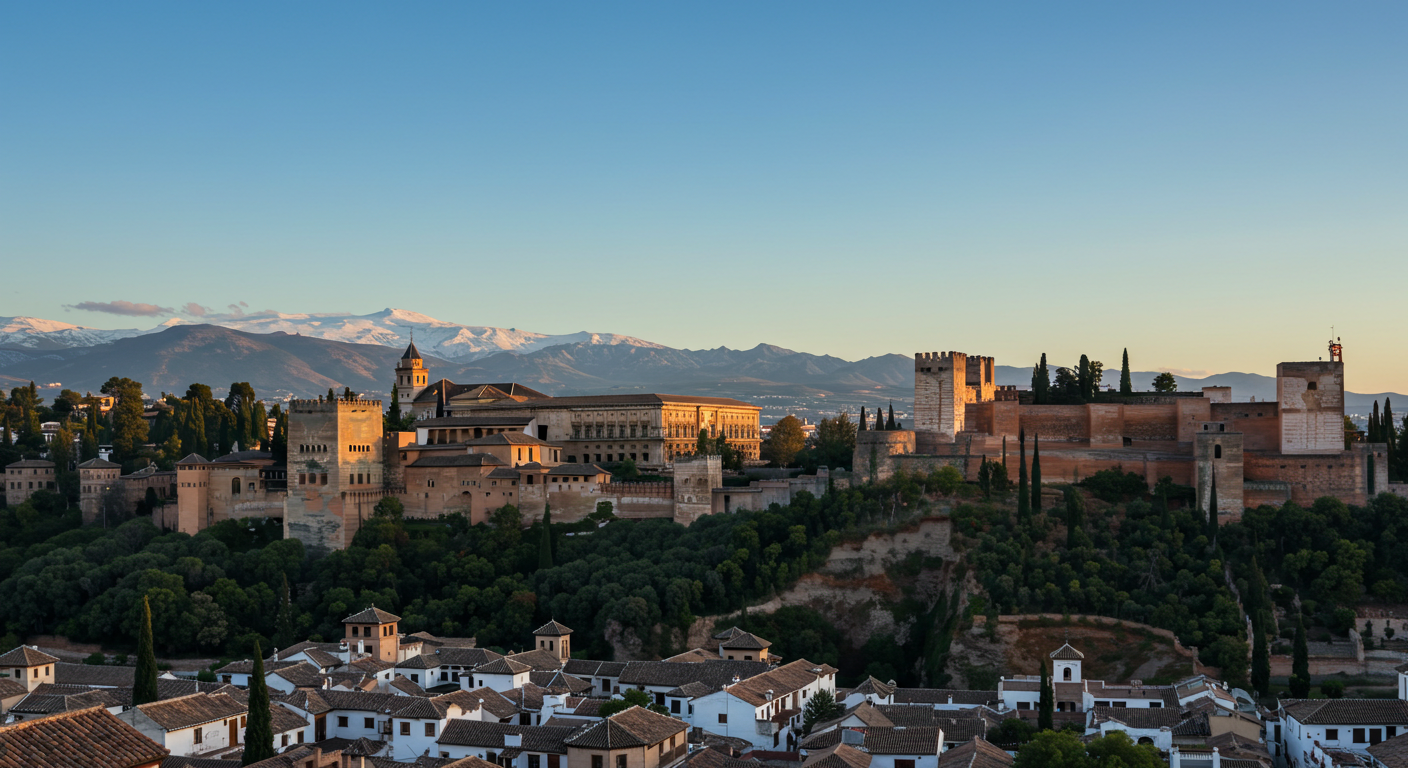
Is It Too Hot to Visit Seville and Granada in Summer?
Seville regularly hits 42°C in July. That is not a heatwave — that is a Tuesday. Granada, sitting inland at 700 metres, gets some relief from the altitude but still sees temperatures in the high thirties for weeks on end. The short answer to whether summer is too hot to visit these two cities is: for most people, yes, July and August are genuinely punishing, and if you have any flexibility at all, you should go in spring or autumn.
That said, plenty of people do visit in summer and survive — even enjoy it — if they know what they're signing up for. Let's be honest about what the heat actually means on the ground, and then talk about when the cities are at their best.
What the Heat Actually Feels Like in July and August
Seville is the hottest city in mainland Spain and one of the hottest in all of Europe. Average highs in July sit around 36–38°C, but it regularly pushes past 40°C, and there are years where it tops 45°C. The Guadalquivir valley traps the heat, the city's white walls radiate it back at you, and by 11am you are walking through something that feels less like a holiday and more like an endurance event.
Granada is slightly more forgiving. The Sierra Nevada behind the city creates the occasional cool breeze, and evenings can drop to a genuinely pleasant 20–22°C even in August. But midday in the Albaicín or queuing for the Alhambra in direct sun is still brutal. The Alhambra sits on a hill with limited shade on the approach paths — this matters more than people expect.
The practical consequences of extreme heat:
- Most serious sightseeing has to happen before 11am or after 6pm. That leaves a dead zone of five or six hours where the sensible move is to find air conditioning or a shaded terrace.
- Outdoor tapas culture largely moves inside during the day. The famous Seville bar crawl is better suited to 9pm in August anyway, but you'll miss the afternoon street life that makes these cities so appealing.
- Walking between sites — say, from the Alcázar to the Cathedral to the Barrio Santa Cruz — feels twice as far as it looks on the map.
- The Alhambra tickets are time-slotted. If you've booked a midday slot in July without realising what that means, it will be a test of character.
None of this is catastrophic if you're young, fit, and prepared. But if you're travelling with children, elderly relatives, or anyone who struggles in heat, summer in Seville is not a minor inconvenience — it's a real physical challenge.
The Upside of Going in Summer (Yes, There Is One)
Fair's fair: summer in Seville and Granada isn't without appeal. Prices for flights and accommodation are high, but there's a particular energy to the cities after dark. Seville's restaurant terraces fill up at 10pm, the Triana neighbourhood across the river hums until 2am, and the long evenings — it stays light until nearly 10pm in midsummer — give the city a different character.
The Alhambra is also open for night visits in summer (roughly June through mid-October, Tuesday to Saturday, check the official Patronato website for exact dates as they vary year to year). Seeing the Nasrid Palaces lit up at night, with the heat finally easing off, is genuinely one of the better things you can do in Spain. Book these months in advance — they sell out.
Also worth noting: the Spanish themselves largely abandon these cities in August. Locals head to the coast. This means the cities feel oddly quiet in places, some neighbourhood restaurants shut for the month, but the tourist sites are left almost entirely to foreign visitors. Whether that's a plus depends entirely on your priorities.
When to Go to Seville and Granada Instead
Spring: March to May
This is the answer most people are looking for, and it's the right one. March through May is when Andalusia is at its most spectacular. Temperatures are in the high teens to mid-twenties, the orange trees are in bloom (the smell in Seville in March is extraordinary), the countryside is green, and the light is soft and golden rather than bleached and harsh.
Specifically:
March and early April are excellent for Granada. Snow is still visible on the Sierra Nevada, the Alhambra gardens are full of colour, and you can often book tickets with less lead time than in peak season. Temperatures in the city hover around 18–22°C during the day.
Semana Santa (Holy Week) falls in late March or April and is worth experiencing once — Seville's processions are genuinely extraordinary — but book accommodation six months out minimum. Prices triple and the city is absolutely packed. If you're not interested in the religious pageantry, skip it.
April and May are probably the single best time to visit Seville. The Feria de Abril (Seville's April Fair) usually falls two weeks after Easter and is a riot of flamenco dresses, sherry, and horses. Again: book early, prices spike, but it's worth it if you want to see the city at its most itself.
By late May, temperatures in Seville are already reaching 30°C. Still manageable, but you're starting to feel the approach of summer.
Autumn: September to November
September is underrated, particularly for Granada. The Alhambra queues ease slightly after the main summer rush, temperatures in Granada drop to the low-to-mid thirties in early September and are genuinely comfortable by October. The light is extraordinary — that warm, amber Andalusian autumn light that photographers chase.
Seville in September is still hot — often 34–36°C — so don't come expecting cool weather. But it's meaningfully better than July, and by October the city is transformed. October in Seville, with temperatures around 24–26°C, mild evenings, and a fraction of the tourist numbers, is arguably the best time of all. Locals are back, restaurants are all open, and you can walk wherever you want in the middle of the day without suffering.
November is quiet and can be rainy, but Granada in November has a melancholy beauty that suits it. The sierra gets its first snow, the Albaicín is almost empty of tourists, and you'll pay very little for excellent accommodation.
A Realistic Week Between Both Cities
If you're planning to see both Seville and Granada on one trip, the most common route is to fly into Seville, spend three or four days there, then take the direct Alsa bus or ALSA coach to Granada (about three hours, around €15–20 each way as of 2026 — check current prices on the Alsa website). There's no direct train between the two cities; the bus is genuinely the better option here.
Alternatively, the high-speed AVE from Seville to Málaga (about an hour) and then a regional train to Granada (another hour and a half, roughly) works if you want to stop on the Costa del Sol. But for a direct connection, the bus wins.
Spend at least two full days in Granada: one for the Alhambra (book the Nasrid Palaces slot as early as possible — ideally 8:30am to beat the heat and the crowds), one for the Albaicín, the cathedral, and the tapas bars on Calle Navas. Granada is one of the last cities in Spain where tapas come free with every drink — a small but deeply civilised tradition.
For pacing and realistic day structures in other Andalusian or Spanish cities, the approach I used in How Many Days Do You Need in San Sebastián? A Realistic 2–3 Day Itinerary works equally well here: anchor each day around one major site, fill the gaps with neighbourhood wandering, and don't over-schedule.
What About the Coast as an Alternative?
If you're locked into a July or August trip and the heat of the interior genuinely worries you, the Andalusian coast is worth considering as a base. Cádiz is an hour and a half from Seville by bus or train and sits on a peninsula surrounded by Atlantic breeze — the difference in temperature compared to Seville is often 8–10 degrees. You can day-trip into Seville from Cádiz in the cooler morning hours and be back on the beach by 2pm.
Similarly, the coast around Almería — less developed, with extraordinary beaches — is close enough to Granada for a combined trip. The Cabo de Gata natural park is one of the best stretches of undeveloped coastline in Spain, and Almería city itself is chronically undervisited. If you're wondering whether the sea is swimmable by the shoulder seasons, Can You Swim in the Sea in Spain in October? covers the water temperature picture across the country in detail.
The Alhambra Ticket Problem
This deserves its own section because it catches more people out than the heat does. Alhambra tickets — specifically the Nasrid Palaces entry — sell out weeks, sometimes months, in advance during high season. The official booking site is tickets.alhambra-patronato.es. Third-party resellers exist but charge significant premiums.
If you arrive in Granada without a Nasrid Palaces ticket in peak season, you may not get in. Full stop. The gardens (Generalife) and the Alcazaba fortress can sometimes be visited on the day, but the palaces — the interior, the geometric plasterwork, the Hall of the Ambassadors — require a pre-booked timed slot. In spring and autumn you have more flexibility; in July and August, book before you book your flights.
The Bottom Line
Seville and Granada in summer are survivable, occasionally magical after dark, and best avoided between 11am and 6pm. For most visitors with any flexibility, October is the sweet spot for Seville, and late April or early October for Granada. Spring is more atmospheric; autumn is quieter and cheaper. July and August are for people who know what they're getting into — or who booked too late to change.
If you're planning a longer trip through southern Spain and thinking about basing yourself somewhere for a few weeks rather than rushing between cities, the Cost of Living in Valencia as a Couple in 2026: Real Monthly Budget gives a useful reference point for what slow travel in Spain actually costs month to month.
Frequently asked questions
- What is the hottest month in Seville?
- July is typically Seville's hottest month, with average highs around 36–38°C and regular spikes above 40°C. August is almost as extreme. These are genuine, sustained temperatures — not occasional heatwaves.
- Is Granada cooler than Seville in summer?
- Yes, modestly. Granada sits at around 700 metres above sea level and benefits from Sierra Nevada air, so evenings can drop to 20–22°C even in August. Daytime highs still reach the mid-to-high thirties, but it's meaningfully less oppressive than Seville.
- When is the best time to visit Granada?
- Late March to early May and September to October are the best windows. Spring brings mild temperatures, green landscapes, and the Alhambra gardens in full bloom. October is arguably the finest month: warm but not hot, quiet, and with beautiful light.
- How far in advance do you need to book Alhambra tickets?
- In high season (June–August), book the Nasrid Palaces entry at least four to six weeks ahead — ideally more. In spring and autumn, two to three weeks is usually sufficient, but don't leave it to the last minute. Always book via the official patronato site.
- Is there a direct train from Seville to Granada?
- No direct train exists between Seville and Granada as of 2026. The Alsa bus (around three hours, roughly €15–20 one way) is the most practical direct connection. A train route exists but requires a change and takes longer.
- Can you visit Seville and Granada in one week?
- Yes, comfortably. Three to four nights in Seville and three nights in Granada is a solid structure. Take the direct Alsa bus between the two cities. Prioritise one or two major sites per day and leave time for the neighbourhoods — that's where both cities actually live.
- What is Seville like in October?
- October is one of the best months to visit Seville. Temperatures typically sit around 23–26°C, the city is back to normal after the summer exodus, all the neighbourhood restaurants are open, and you can walk around in the middle of the day without suffering. Crowds are noticeably lower than in spring or summer.