Cost of Living in Valencia as a Couple in 2026: Real Monthly Budget
What does it actually cost to live in Valencia as a couple in 2026? Real monthly figures for rent, food, transport, healthcare and more — no fluff.
What Does It Actually Cost to Live in Valencia as a Couple in 2026?
The short answer: a couple living reasonably comfortably in Valencia — not scrimping, not splashing — should budget somewhere between €2,400 and €3,200 per month for everything. That covers a decent two-bedroom flat in a central-ish neighbourhood, groceries, eating out a couple of times a week, public transport, utilities, and private health insurance if you're not yet in the public system. If you're renting somewhere slightly off the beaten track and cooking more at home, you can do it for closer to €2,000. If you want a bigger flat in Ruzafa or Pla del Real and you enjoy a glass of wine most evenings, you're looking at the upper end.
I've been in Valencia long enough to watch prices shift, and 2026 has brought a noticeable increase in rents compared to even two years ago — the city's popularity with remote workers and relocating Europeans has not gone unnoticed by landlords.
Rent: The Biggest Line Item
Valencia is still cheaper than Madrid or Barcelona, but the gap is closing. As of early 2026, expect to pay:
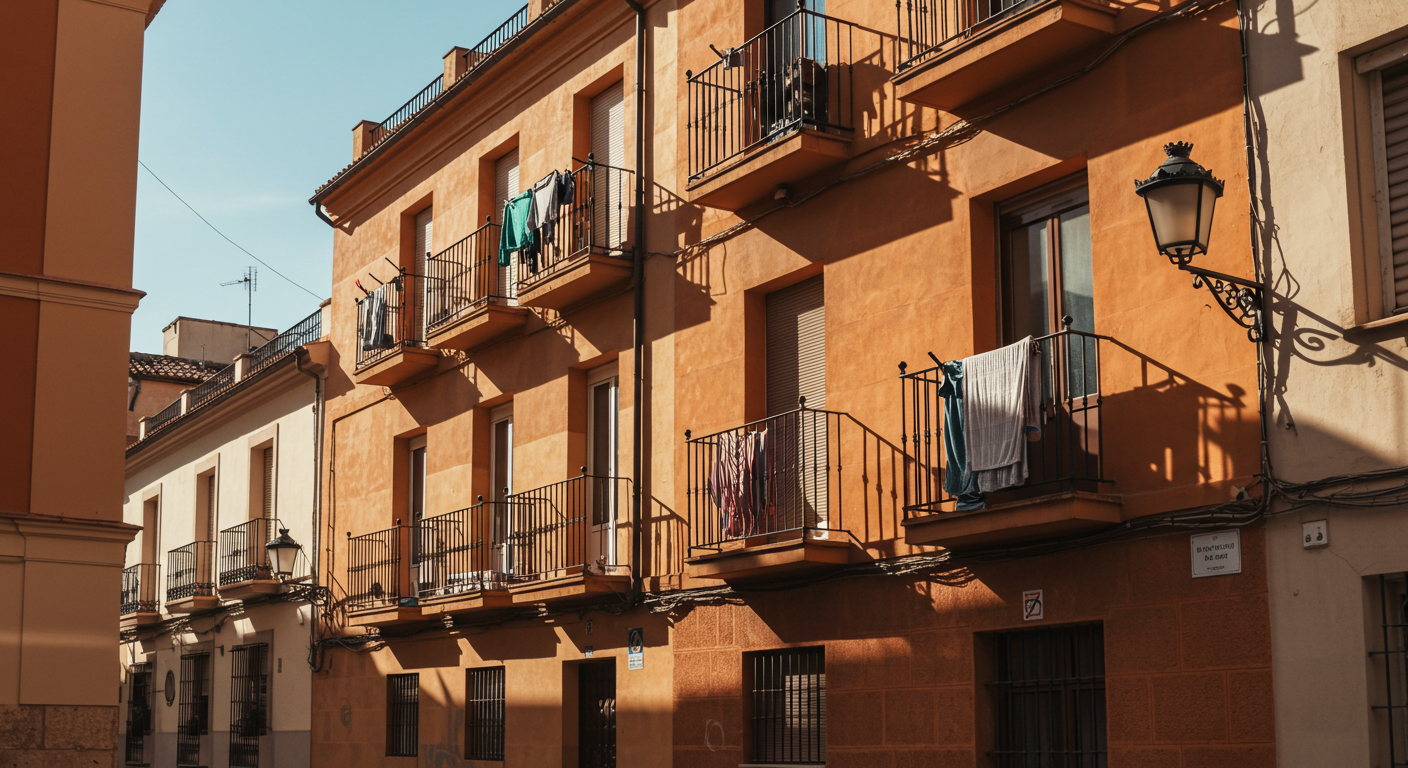
- €1,000–€1,300/month for a decent two-bedroom flat in central neighbourhoods like Ruzafa, El Carmen, or Benimaclet
- €850–€1,050/month in slightly quieter areas like Campanar, Patraix, or Jesús
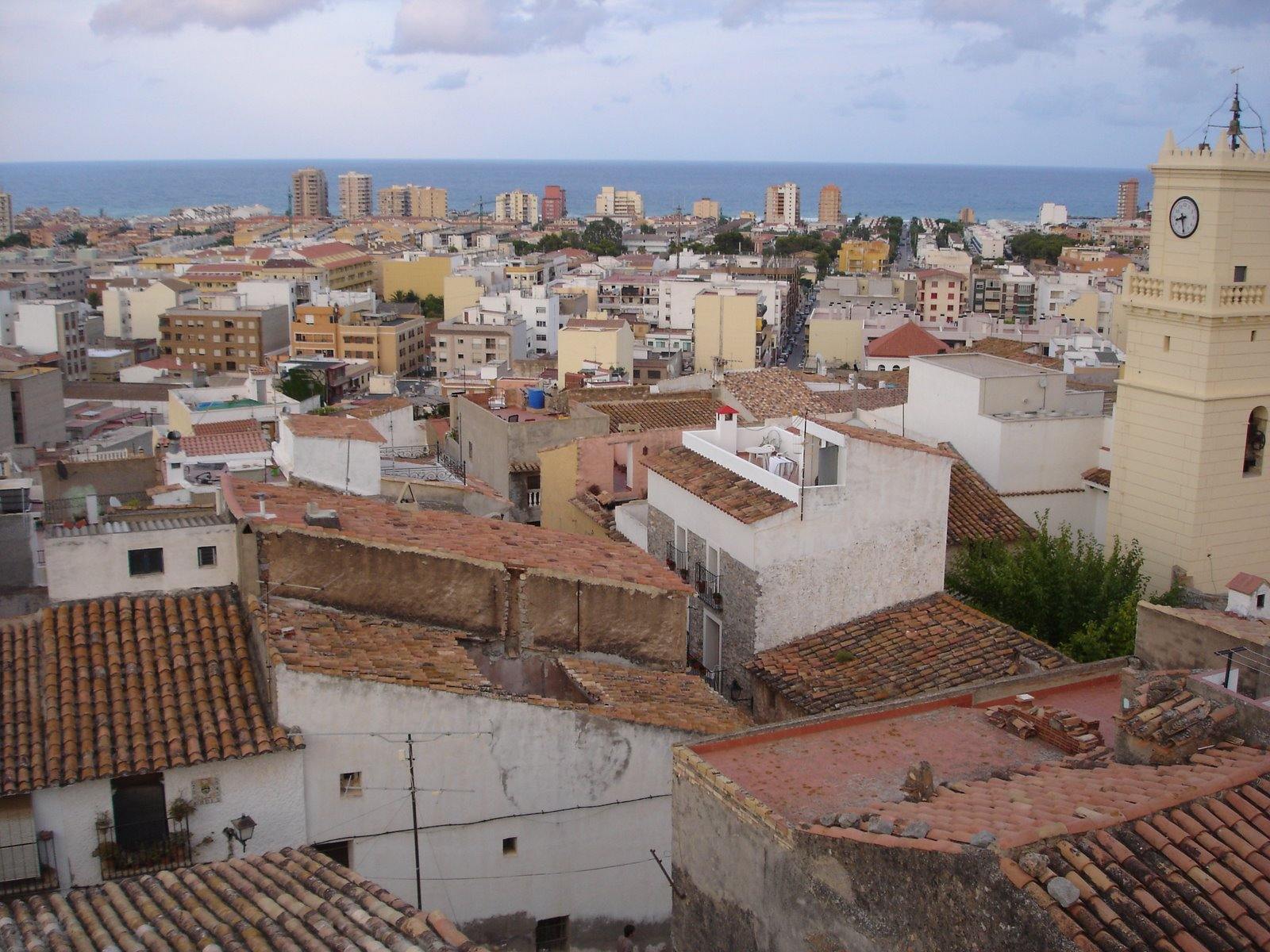
- €1,400–€1,800/month if you want something genuinely large, renovated, or close to the beach in Malvarrosa
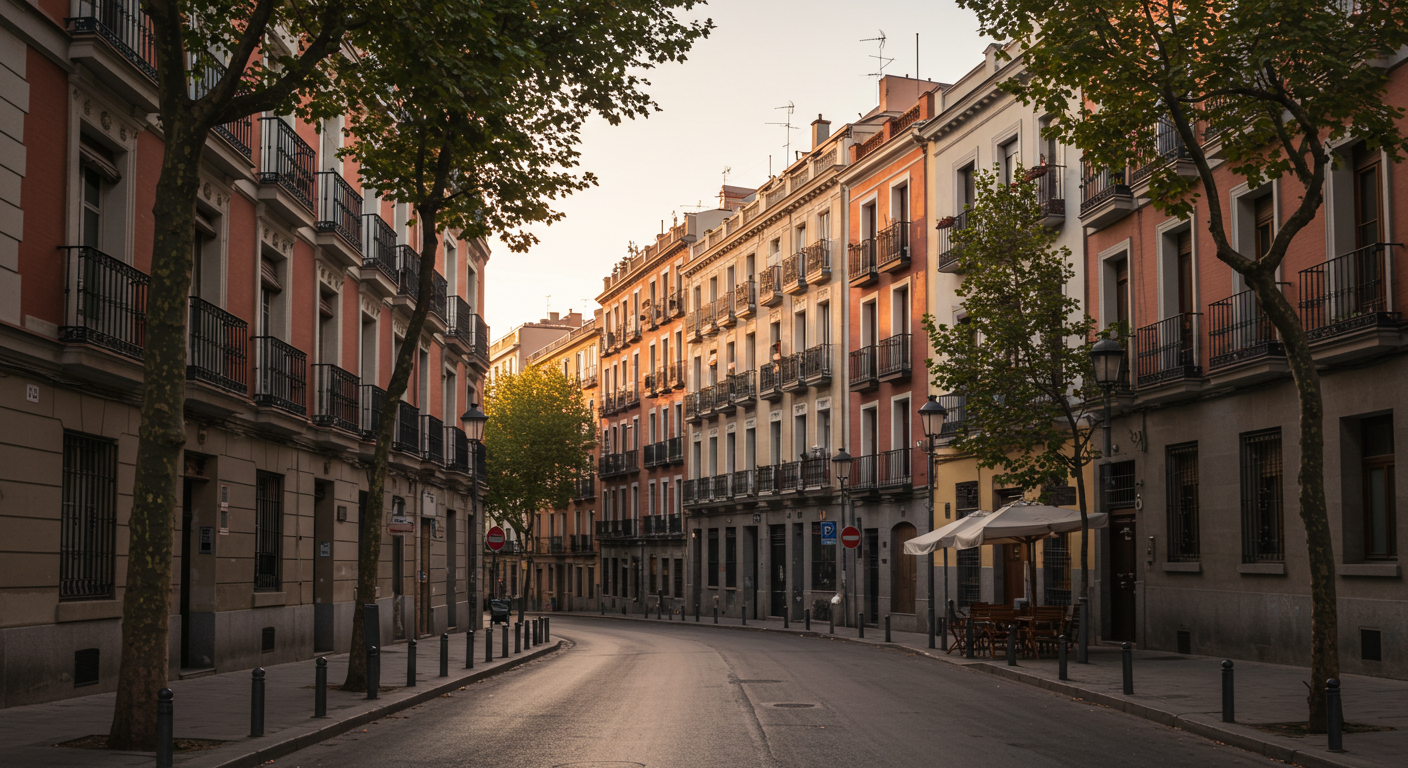
For a couple, a two-bedroom makes sense — one room to sleep, one to work. A one-bed is doable but you'll feel it if you're both at home all day. Ruzafa is the obvious choice for most expats, and it's genuinely lovely, but it's now the priciest residential neighbourhood in the city. Benimaclet is a better value: good bars, a market, a student-area buzz without the student-area grimness.
One thing that catches people out: most Valencia landlords want two to three months' deposit upfront, plus first month's rent. That's a €3,000–€5,000 hit before you've even bought a coffee table. Getting that flat without a Spanish payslip is a whole separate puzzle — bank guarantees and higher deposits tend to be the solution.
Furnished flats are common and genuinely useful when you first arrive. Unfurnished is cheaper month-to-month but comes with the usual IKEA pilgrimage.
Utilities and Internet
Valencia's climate does the work here — you won't be running the heating hard for more than two or three months. Electricity in summer, though, is a different matter. Aircon is not optional in July and August.
A realistic utility budget for a couple:
- Electricity: €60–€120/month (spikes in August)
- Water: €20–€35/month
- Gas (if applicable — many flats have electric hobs): €15–€40/month in winter
- Internet: €30–€45/month for fibre, which is fast and reliable everywhere in the city centre
- Mobile (two lines): €25–€40/month combined, with operators like Digi or Yoigo offering very competitive SIM-only plans
Total utilities and connectivity: roughly €150–€240/month. Budget €200 and you'll rarely go over.
Food: Groceries and Eating Out
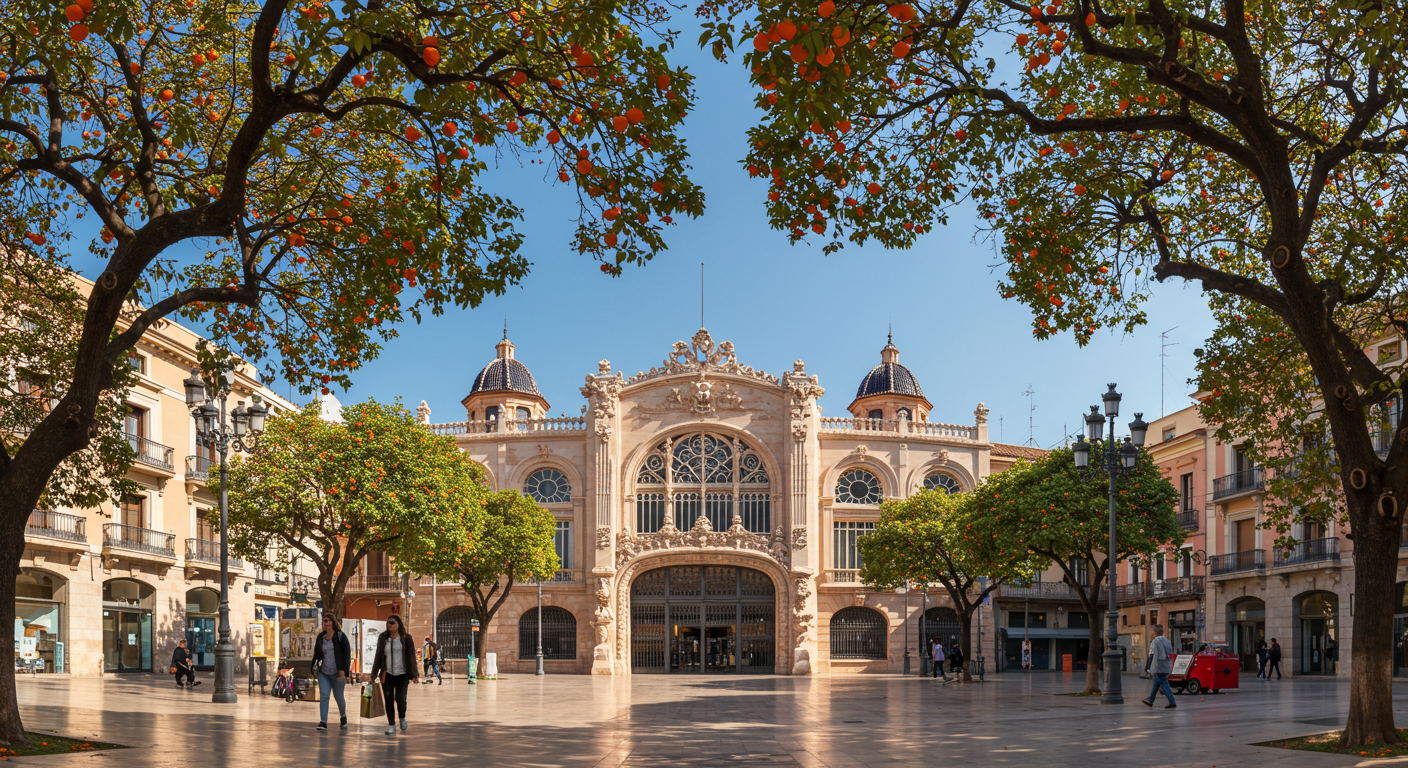
This is where Valencia genuinely rewards you. The Mercado Central is beautiful but not where you do your weekly shop — it's for the good olive oil, the proper jamón, the interesting cheese. Your actual groceries come from Mercadona (everywhere), Consum (solid), or Lidl if you're watching the budget. A couple cooking at home most nights can eat very well on €300–€400/month in groceries, including wine.
Eating out is still excellent value by northern European standards. A menú del día — three courses, bread, and a drink — runs €10–€14 in most neighbourhood restaurants at lunch. It's the best deal in the Spanish food system and I'd encourage anyone to lean into it heavily. Dinner out for two with wine at a mid-range place is €45–€70. A proper blowout at somewhere like Ricard Camarena or a tasting menu elsewhere will set you back €150–€250 for two, but that's a treat, not a weekly line item.
Coffee is €1.20–€1.50 for a café con leche. Don't pay more unless you're in a tourist trap on the waterfront.
Realistic monthly food budget for a couple eating out twice a week: €650–€900.
Transport
Valencia is very walkable in the centre, and the cycling infrastructure has improved dramatically over the last few years. The Valenbisi bike-share scheme costs around €30/year for unlimited 30-minute trips — genuinely one of the best-value transport passes in Europe.
If you need the metro or buses, a 10-trip Metrovalencia card works out at roughly €0.85–€1.10 per journey depending on the zone. A monthly transport pass for one person in zones A+B (which covers most of the city and the beach) is around €40. For two people: €80/month.
Many couples in Valencia don't bother with a car in the city at all. Parking is a headache, the blue-zone charges add up, and the city is compact enough not to need one. If you do have a car — for weekend trips to the mountains or the coast — petrol is around €1.55–€1.70/litre as of early 2026, and you'll want to factor in parking (€80–€150/month for a private spot in the centre). On the question of driving on a foreign licence, that's worth sorting before you arrive rather than after.
Healthcare
This depends heavily on your visa status and whether you've accessed the Spanish public system.
If you're working as an autónomo or employed in Spain, you're paying into the system and you have a tarjeta sanitaria. Done. If you've just arrived and are waiting for your TIE, your coverage situation is more complicated than most people expect.
For couples who aren't yet in the public system, private health insurance is the practical stopgap. Sanitas, Adeslas, and Asisa are the main players. A policy for two people in their 30s runs roughly €80–€150/month combined, depending on age and coverage level. In your 40s or 50s, expect to pay more — €150–€250/month is realistic. These policies are decent for GP visits, specialists, and minor procedures, but they have exclusions and waiting periods for pre-existing conditions, so read the small print.
The Convenio Especial is worth knowing about if you want to pay into the Spanish public system voluntarily — it costs around €60/month per person under 65, which is competitive with private insurance for most healthy people.
The Numbers: A Monthly Budget Breakdown
Here's a realistic composite for a couple living in a two-bedroom flat in a central-but-not-tourist neighbourhood, working remotely, eating out a couple of times a week:
| Category | Monthly Cost |
|---|---|
| Rent (2-bed, furnished, Benimaclet or similar) | €1,050 |
| Utilities + internet + mobile | €200 |
| Groceries | €380 |
| Eating and drinking out | €300 |
| Transport (two Metrovalencia passes + Valenbisi) | €90 |
| Healthcare (private insurance, two people, 30s) | €120 |
| Leisure (cinema, culture, day trips) | €150 |
| Household incidentals, cleaning products, etc. | €80 |
| Total | ~€2,370 |
Add €200–€400 if you have a car, eat out more, or choose Ruzafa over Benimaclet. This is a genuinely comfortable life, not a budget one. You're not eating at the cheapest place every night; you're going to the theatre occasionally, taking the train to Madrid once a quarter, having people over for dinner.
The Costs People Forget About
A few things that don't appear in the monthly budget but bite you in the first year:
Tax registration and admin. If you're self-employed, you'll almost certainly want a gestor to handle your autónomo registration, quarterly taxes, and annual income tax return. A good gestor charges €50–€150/month, or a flat fee per filing. Whether you actually need one to register as autónomo is debatable, but for ongoing tax compliance, most people don't regret having one.
Banking fees. Spanish banks are not uniformly bad, but some charge maintenance fees that add up. Opening a Spanish account as a non-resident is the first step, and choosing the right bank early saves headaches later.
The empadronamiento. You need to register on the municipal census (padrón) to access many services. It's free, but if your landlord won't let you register at the address — which happens — there are workarounds.
One-off relocation costs. First month's rent, two to three months' deposit, buying things for the flat, paying a gestor to set up your registration — your first month in Valencia can easily cost €5,000–€8,000 for a couple, even if the ongoing monthly budget is comfortable.
Is the Digital Nomad Visa Worth It for Valencia?
If you're moving to Valencia as a remote worker or freelancer, the Spanish Digital Nomad Visa is the obvious route if you qualify. The income threshold is the key question — whether it's worth applying on the minimum salary depends on your specific tax situation. Valencia is one of the more straightforward cities to navigate this in; the extranjería office is busy but functional, and there are enough English-speaking gestors who handle these applications regularly.
If you're going down this route, also look at whether the Beckham Law applies to you — the interaction between the digital nomad visa and the Beckham Law is not as automatic as some people assume.
Valencia in 2026 is still one of the most sensible places in Western Europe to land as a couple. The food is serious, the climate is not a cliché, and €2,400–€2,800/month genuinely buys you a comfortable, interesting life. The main thing to watch is the rental market — it's moved fast and will probably keep moving. Lock in a good flat quickly if you find one.
Frequently asked questions
- What is the average cost of living in Valencia for a couple in 2026?
- A couple living comfortably in Valencia — central two-bedroom flat, groceries, eating out twice a week, transport, and private health insurance — should budget €2,400–€3,200 per month as of 2026. A more frugal setup, further from the centre and cooking at home more, can come in around €2,000.
- How much is rent in Valencia for a two-bedroom flat in 2026?
- Expect €1,000–€1,300/month for a two-bedroom in central areas like Ruzafa or Benimaclet, and €850–€1,050 in quieter neighbourhoods like Campanar or Patraix. Larger or renovated flats near the beach can reach €1,800/month.
- Is Valencia cheaper than Madrid or Barcelona for couples?
- Yes, though the gap has narrowed. Valencia rents are typically 20–35% lower than equivalent Madrid or Barcelona properties, and eating out is similarly cheaper. Utilities and transport costs are broadly comparable.
- What do groceries cost for a couple in Valencia?
- A couple cooking at home most nights — shopping at Mercadona or Consum, buying decent wine — can eat well on €300–€400/month in groceries. Add €200–€300 for eating out twice a week and you're at €500–€700 total for food and drink.
- Do couples need a car in Valencia?
- Most couples living in central Valencia don't bother. The cycling network is good, Valenbisi bike-share costs about €30/year, and metro and bus passes are around €40/person per month. A car is useful for weekend trips but is an added cost of €200–€400/month including parking and fuel.
- How much is private health insurance for a couple in Valencia?
- For two people in their 30s, private health insurance (Sanitas, Adeslas, or Asisa) runs roughly €80–€150/month combined. In your 40s or 50s, expect €150–€250/month. The Convenio Especial — voluntary access to the public system — costs around €60/month per person under 65.
- What are the hidden costs of moving to Valencia as a couple?
- The biggest surprises are upfront: two to three months' deposit plus first month's rent (easily €3,000–€5,000), plus one-off costs like furniture, gestor fees for registration, and banking setup. Budget €5,000–€8,000 for the first month even if your ongoing monthly costs are manageable.