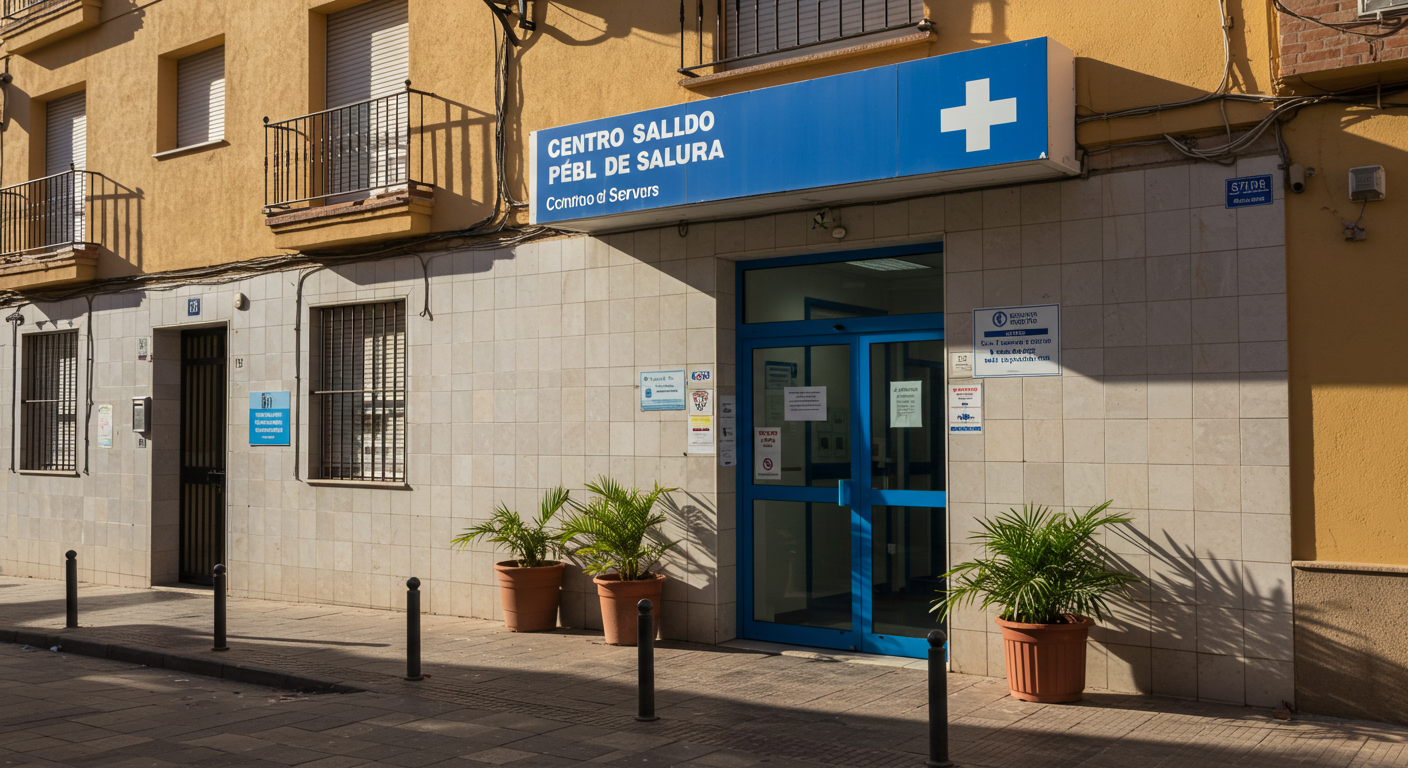
The Convenio Especial: How to Pay Into Spanish Healthcare Voluntarily
The convenio especial lets you pay into Spanish public healthcare voluntarily. Here's exactly what it costs, who qualifies, and how to apply in 2026.
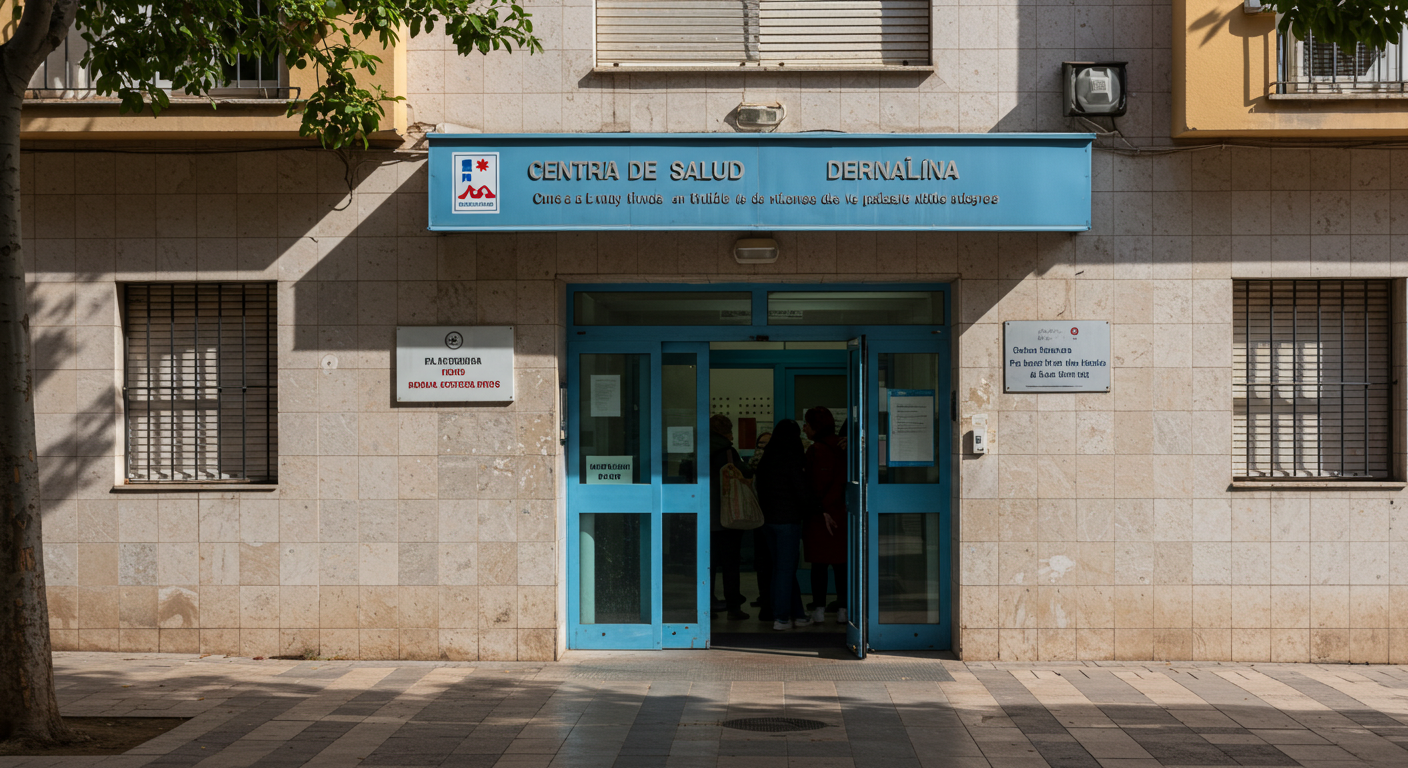
Convenio Especial Spain: How Much It Costs and How It Works
If you live in Spain but don't have access to public healthcare through work or a residency benefit, the convenio especial is almost certainly the most sensible route to full cover. It's a voluntary contribution scheme that plugs you into the Spanish public health system — the same GP surgeries, specialist referrals, and hospital wards that employed residents use — for a fixed monthly fee. As of 2026, that fee is €60 per month if you're under 65, and €157 per month if you're 65 or over. Those figures are set nationally and haven't changed significantly in several years, though it's worth confirming the current rate with your local INSS office when you apply.
That's the short answer. The longer one involves who actually qualifies, what the scheme doesn't cover, and a few bureaucratic details that nobody warns you about.
Who Is the Convenio Especial Actually For?
The convenio especial exists because Spain's public health system is, in theory, tied to social security contributions — either your employer's, or your own if you're registered as autónomo. If you're neither employed nor self-employed in Spain, you're technically outside the system. That covers a surprising number of people:
- Non-lucrative visa holders who are not allowed to work
- Early retirees who moved to Spain before they were old enough for a state pension
- Digital nomads whose income comes from abroad and who aren't registered as autónomo here
- Spouses or partners of residents who don't work themselves and aren't covered as dependants
- People who've left employment and whose INEM (unemployment) cover has run out
If you arrived recently and are still waiting for your TIE, your situation is more complex — I wrote separately about what cover you actually have in that window, because the convenio especial is not the answer while you're still in that limbo.
For digital nomads specifically: if you're on the Spanish digital nomad visa and paying into Spanish social security as autónomo, you already have healthcare access that way. But if you're on the visa and working through a foreign company without being registered here, the convenio especial becomes worth considering seriously — see the breakdown of what the digital nomad visa really costs on a minimum salary for context on how this fits into your overall budget.
The Actual Cost of the Convenio Especial in 2026
The two tiers are straightforward:
- Under 65: €60/month
- 65 or over: €157/month
That's it. No co-payments on top. No excess. No annual premium adjustment based on health status. You pay, you're in.
For comparison: a decent private health insurance policy for a healthy 40-year-old in Spain runs anywhere from €60 to €120 per month, but private cover has exclusions, waiting periods for pre-existing conditions, and doesn't give you the full depth of hospital care that the public system does. The convenio especial costs the same or less, and puts you in the same system as everyone else paying social security.
The catch — and there is one — is that the convenio especial does not cover prescription subsidies in the same way as standard social security entitlement. Under normal social security, you pay a percentage of prescription costs based on your income (pensioners often pay very little or nothing). Under the convenio especial, you pay 40% of prescription costs. That's not ruinous, but it's worth knowing if you take regular medication.
How to Apply: The Step-by-Step Reality
The application goes through the INSS — Instituto Nacional de la Seguridad Social. You need to go in person to your local INSS office. You can't do this online, and your gestor can't do it on your behalf without a specific power of attorney.
What you need to bring:
- Your NIE or TIE (your foreign identity number — without this, nothing happens; if you're still waiting, here's how long NIE appointments are taking in 2026)
- Your empadronamiento certificate — proof that you're registered as a resident at your Spanish address. This needs to be recent, usually within the last three months. If you're having trouble getting empadronado, there are real options even without a standard rental contract
- Proof that you are legally resident in Spain (your visa, TIE, or residency certificate)
- Proof that you are not entitled to public healthcare through any other route — in practice, this often just means a signed declaration, but some offices ask for a letter from the INSS confirming you're not registered in the system as an employee or autónomo
- Your bank account details for the direct debit — a Spanish account is standard; if you don't have one yet, opening a Spanish bank account as a non-resident is more straightforward than it used to be
Once approved, you'll be assigned a tarjeta sanitaria — your health card — and a GP surgery (centro de salud) in your area. The whole process, from application to receiving the card, typically takes two to four weeks, though this varies by region and how backed-up your local INSS is.
What the Convenio Especial Does and Doesn't Cover
It covers almost everything the standard public system covers: GP appointments, specialist referrals, hospital treatment, emergency care, mental health services, maternity care, and diagnostics. Spain's public system is genuinely good — the hospitals are well-equipped, waiting times for non-urgent specialists can be long (this is the main complaint), but for anything urgent you're well looked after.
What it doesn't cover:
- Dental care (Spain's public dental provision is minimal for everyone — think extractions and not much else; most people supplement with private dental regardless)
- Optician costs
- Prescription subsidies at the same rate as standard social security contributors (you pay 40%, as mentioned)
- Private room upgrades or choice of surgeon
Those gaps are why many convenio especial users add a cheap dental-and-optical private policy on top, which you can find for €10–20/month. That combination still undercuts most standalone private health policies.
Regional Variations: Does It Work the Same Everywhere?
The convenio especial is a national scheme, so the price and basic eligibility rules are the same in Andalusia, Catalonia, Madrid, Valencia, or the Canary Islands. What varies is the quality and responsiveness of the public system itself, and how smoothly your local INSS processes the paperwork.
Anecdotally, smaller cities and rural areas often process applications faster than major urban centres, where INSS offices are chronically overwhelmed. In Madrid and Barcelona especially, expect to wait for your cita previa at the INSS. Book it the moment you have all your documents ready.
Once you're in the system, the actual healthcare experience varies by autonomous community too. The Basque Country and Navarre consistently rank well for public health quality. Andalusia has improved significantly. The Canary Islands and some parts of Valencia have had more reported strain on capacity in recent years. None of this affects whether you can use the convenio especial — just what your day-to-day experience of the public system will be like.
A Few Things Nobody Tells You
First: you need to have been legally resident in Spain for at least one year before you can apply, OR be the family member of someone who is. This catches people out. If you've just arrived on a non-lucrative visa, you cannot apply for the convenio especial immediately — you need to wait out that first year, which is why private health insurance is usually a condition of those visas in the first place.
Second: if you later register as autónomo in Spain, your convenio especial ends — you'd move onto the autónomo social security system instead, which includes healthcare. That transition is clean, but you need to notify the INSS. If you're considering going autónomo, it's worth reading about whether you need a gestor for that registration process, because the bureaucratic overlap is real.
Third: the convenio especial is not the same as the tarjeta sanitaria europea (European Health Insurance Card). The EHIC covers emergency treatment only, for temporary stays. The convenio especial is for people who actually live here.
Fourth: if you leave Spain for more than 90 days in a year, your entitlement can technically be questioned. In practice this is rarely enforced, but it's the rule on paper.
Is It Worth It?
For most people in the under-65 bracket: yes, almost certainly. €60 a month for comprehensive public healthcare is exceptional value by any European standard. The waiting times for non-urgent specialists are the main frustration — often two to four months in busier regions — but for primary care and emergencies, the system works well.
For the 65-plus bracket, €157 is still competitive against private insurance for that age group, which typically starts at €200–300/month and rises sharply with pre-existing conditions. If you're in good health, private might still be cheaper; if you have ongoing health needs, the convenio especial wins on both cost and comprehensiveness.
The one scenario where private-only makes more sense is if you're only planning to stay in Spain short-term and you want the flexibility of English-speaking doctors and shorter appointment waits. But if Spain is home — long-term, properly — the convenio especial is how you plug into the system the way everyone else does.
Frequently asked questions
- How much does the convenio especial cost in Spain in 2026?
- As of 2026, the convenio especial costs €60 per month for people under 65, and €157 per month for those aged 65 and over. These rates are set nationally and apply across all regions of Spain. Confirm the current figures with your local INSS office when you apply, as they are subject to change.
- Can I apply for the convenio especial as soon as I arrive in Spain?
- No. You generally need to have been legally resident in Spain for at least one year before you're eligible — unless you're applying as a family member of someone who already qualifies. This is why most non-lucrative visas require private health insurance as a condition of the visa itself.
- Does the convenio especial cover prescription costs?
- Yes, but not at the same rate as standard social security contributors. Under the convenio especial, you pay 40% of prescription costs out of pocket. Standard employed workers pay a percentage based on their income, which is often lower. Pensioners on standard social security often pay very little or nothing.
- Where do I apply for the convenio especial?
- You apply in person at your local INSS (Instituto Nacional de la Seguridad Social) office. You'll need your NIE or TIE, a recent empadronamiento certificate, proof of legal residency, and your Spanish bank account details. The process cannot be done entirely online, though you can book your appointment (cita previa) via the INSS website.
- What happens to my convenio especial if I register as autónomo?
- It ends. Once you register as autónomo and begin paying Spanish social security contributions, you're entitled to public healthcare through that route instead. You need to notify the INSS when this happens. The transition is straightforward, but don't let both run simultaneously — you'll be paying twice unnecessarily.
- Does the convenio especial cover dental treatment?
- Only to a very limited extent — the Spanish public system covers basic dental emergencies (mainly extractions) for everyone, and the convenio especial gives you the same access. Routine check-ups, fillings, and orthodontics are not covered. Most people in Spain, regardless of how they access public healthcare, use private dental care for anything beyond emergencies.
- Is the convenio especial available to digital nomads in Spain?
- It can be, but it depends on your situation. If you're on the Spanish digital nomad visa and registered as autónomo here, you'll get healthcare through your social security contributions and won't need the convenio especial. If you're on a different visa, working for a foreign company, and not registered as autónomo in Spain, the convenio especial is a viable route — provided you've been legally resident for at least a year.