A Slow Weekend in Zaragoza: Tapas, El Tubo & the Basílica del Pilar
How to spend a weekend in Zaragoza Spain: the Basílica del Pilar, tapas crawling through El Tubo, and why Aragón's capital deserves far more of your time.
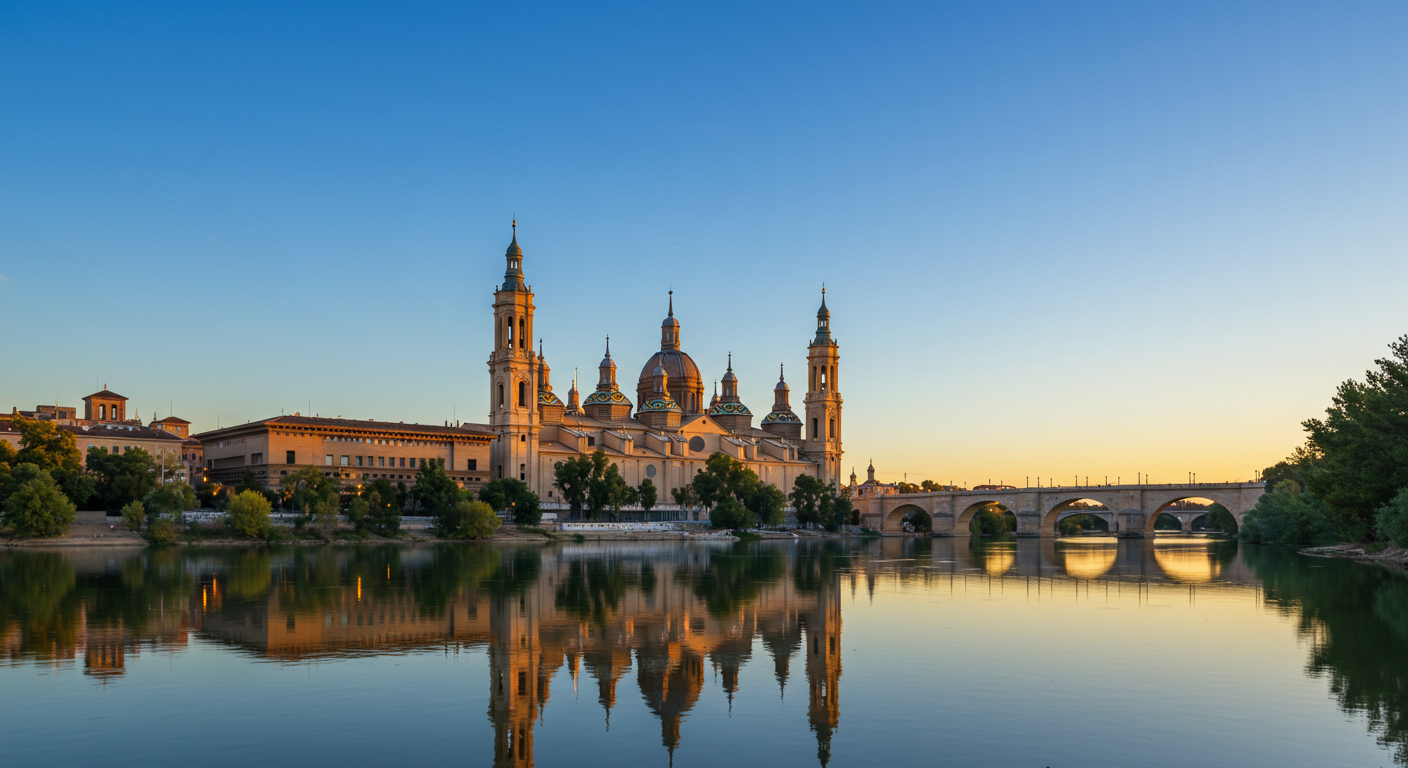
Three hours from Madrid by AVE, Zaragoza is still somehow the city that Spaniards visit and foreign tourists skip. That gap is, frankly, your advantage. On a busy Saturday in October, El Tubo — the city's old tangle of tapas bars — will be packed with Zaragozanos, not tour groups. The Basílica del Pilar glows amber over the Ebro and you can actually get close to it. If you're wondering how to spend a weekend in Zaragoza Spain without wasting a single meal on somewhere mediocre, this is what I'd do.
The short answer: two full days is enough to see the Basílica, eat your way through El Tubo, and get a genuine feel for Aragonese food and pace. Three days lets you breathe, add the Aljafería Palace, and perhaps a day trip to Daroca or the wine country around Cariñena. Don't rush it.
Arriving and Where to Stay
Zaragoza Delicias station is a genuine pleasure — modern, central-ish, and connected to the old town by a ten-minute taxi or a straightforward tram ride on Line 1. Trains from Madrid take around one hour forty-five minutes on the AVE; from Barcelona, just over an hour and a half. Tickets fluctuate wildly depending on when you book, but Madrid–Zaragoza return fares of €40–€70 are common if you're not travelling at peak times.
For accommodation, the area between the Basílica and Plaza España is the obvious choice. The streets around Calle Alfonso I and the Cathedral of La Seo put you within a ten-minute walk of almost everything. Mid-range hotels here run €70–€120 per night as of 2026 — considerably less than you'd pay for equivalent location in Madrid or Barcelona. If you're considering a longer stay or thinking about relocating, Zaragoza is one of Spain's more affordable cities; renting a decent flat in the centre is still possible for €700–€900 per month, and the bureaucratic processes — empadronamiento, NIE appointments, that kind of thing — tend to move faster here than in the big cities.
The Basílica del Pilar: What Nobody Tells You
Everyone who visits Zaragoza goes to the Basílica del Pilar, and rightly so. The building is enormous — four towers, eleven domes, positioned on the bank of the Ebro as if it owns the city (it basically does). Inside, the scale is genuinely disorienting. The Goya frescoes on the ceiling of the Chapel of Our Lady of Pilar are the first thing people mention, but honestly, the building's sheer spatial drama hits you before you even look up.
A few practical things that guidebooks gloss over. Entry to the basilica itself is free, but the tower ascent costs around €5 per person. Do it — the lift takes you most of the way and the view over the Ebro and the old town rooftops is worth every cent. Go early, before 10am if you can, or after 5pm. Midday in summer is both hot and crowded. The Pilar museum (in the same complex) houses Goya sketches and processional pieces; it's small but good, and admission is a couple of euros.
The plaza in front of the Basílica is enormous and perpetually animated — locals crossing it, pigeons, the odd street performer, and on 12 October (the Fiesta del Pilar, Zaragoza's big annual festival) it becomes one of the most extraordinary public spaces in Spain. If your weekend happens to fall near that date, plan accordingly: the city fills up, hotels book out weeks in advance, and the streets around El Tubo become genuinely impassable after 9pm.
The Cathedral of La Seo
Fifty metres from the Basílica and almost always half-empty. This is a mistake on visitors' part. La Seo is older, architecturally richer in its layers (Romanesque, Gothic, Mudéjar, Baroque — all in one building), and it contains the best tapestry museum I've seen in Spain. Don't skip it in favour of a second loop around the Pilar.
El Tubo: Zaragoza's Tapas Neighbourhood
El Tubo is the colloquial name for the dense grid of narrow streets running north from Plaza España, centred on Calle Estébanes and the streets immediately around it. It's not a sanitised tapas zone designed for tourists. It's where Zaragozanos actually drink and eat, and it has been for decades.
The custom here is different from, say, San Sebastián's pintxos bars or Seville's tapas culture. In Zaragoza, many bars offer a free tapa with every drink — a small plate that arrives automatically with your caña or vermú. It's not universal, and it's been eroded somewhat as the city has grown, but in El Tubo's older bars it still happens. You order a drink, a plate of something appears. Order another drink, another plate. It's a magnificent system.
Start around midday with vermú. Casa Lac on Calle los Mártires is one of the oldest restaurants in Spain (founded 1825, reportedly) and worth a look even if you just have a drink at the bar. For proper tapas crawling, Calle Estébanes and Calle Jordán de Urríes are your main streets. Bar Dorado is reliably good; so is La Miguería for small plates with a bit more ambition. Avoid anything with a laminated English menu in the window — that's a universal rule in El Tubo as everywhere else.
What to Eat in Aragón
Aragonese food is not as celebrated as Basque or Catalan cuisine, which is baffling. It's serious, seasonal, and rooted in the land in a way that feels genuine rather than performed.
A few things to seek out specifically. Ternasco de Aragón — young lamb, roasted slowly, with a PGI designation that means it's genuinely regional. Order it as a main if you're sitting down for a proper lunch. Migas are breadcrumbs fried with garlic, chorizo, and peppers; they sound simple and they are, but done well they're one of those dishes you remember. Borrajas are a local vegetable (a type of borage) that appears on menus in winter and spring — usually braised or served with white beans. If you see it, order it. Most visitors don't know what it is and that's their loss.
For charcuterie, Aragón produces excellent longaniza (a cured sausage) and the Jamón from Teruel has its own DOP — distinct from Iberian ham but excellent in its own right. Any decent bar in El Tubo will have it.
Wines: the DO Cariñena and DO Campo de Borja are both nearby and both undervalued. Garnacha is the dominant grape, and a good Cariñena red with a plate of ternasco is one of those combinations that makes you understand why people move to Spain.
Day Two: Beyond the Old Town
The Aljafería Palace is ten minutes by bus or tram from the centre. It was a Moorish palace in the 11th century, then a residence for the Catholic Monarchs Ferdinand and Isabella, then — in one of history's less glamorous chapters — an Inquisition headquarters. The Mudéjar architecture in the original palace sections is extraordinary. It's less visited than Granada's Alhambra and Seville's Alcázar, which means you can actually stand in the rooms and think, rather than shuffle through in a crowd. Entry is around €5, and it's free on Sundays.
If you have a third day, the town of Daroca — about an hour south by bus — is a walled medieval town that almost nobody visits. The walls are largely intact, the streets are quiet, and there's a collegiate church with a famous relic that gives the town its particular identity. It's the kind of place that reminds you how much of Spain operates entirely outside the tourist circuit.
Practical Notes for the Weekend
Zaragoza gets proper weather extremes. Summers are fierce — 38–40°C is normal in July and August, and the city sits in a bowl with the cierzo, a cold dry wind that scours it in winter. The best times to visit are April–June and September–October. In October you might catch the Pilar festival; in spring the riverside is green and the light is good.
The city centre is very walkable. You won't need a car, and you'll rarely need a taxi. The tram system is clean and cheap (around €1.35 per ride as of 2026).
For eating hours, don't expect lunch before 2pm. Most of El Tubo's better bars do their serious food service 2–4pm and then again from 8:30pm onwards. Showing up at 6pm and expecting dinner is a category error. Use the gap for a coffee, a walk along the Ebro, or a visit to the Museo Pablo Gargallo (a sculptor, a Zaragozan, and largely unknown outside Spain — the museum is small and excellent).
If you're thinking about Zaragoza not just as a weekend destination but as a place to live — it's genuinely one of the most underrated cities in Spain for that. Good infrastructure, a proper university city atmosphere, central location on the Madrid–Barcelona axis, and costs that still make sense. If you're navigating the residency paperwork side of things, the processes for things like getting a Spanish bank account as a non-resident or renting without a Spanish payslip work the same here as anywhere, but the pace of life while you sort it all out is considerably more civilised than in Madrid. If you're working remotely and considering the Spanish digital nomad visa, Zaragoza's cost base makes the income thresholds feel a lot more comfortable in practice.
One last thing. On Sunday morning, before you leave, get to the Basílica before 9am. The plaza is almost empty. The river light is low and gold. The building looks completely different from how it looks at noon, and for a few minutes it feels like you have it to yourself. That's the whole point of going slowly.
Frequently asked questions
- How long does it take to get from Madrid to Zaragoza by train?
- The AVE high-speed train from Madrid Atocha to Zaragoza Delicias takes approximately one hour forty-five minutes. Fares vary significantly by booking date and time, but return tickets in the €40–€70 range are common outside peak periods. It's one of the easiest and most comfortable day-trip or weekend connections in Spain.
- Is Zaragoza worth visiting for a weekend, or is it better as a day trip?
- A day trip gets you the Basílica del Pilar and a quick walk through El Tubo, but you'll miss the rhythm of the place. Two full days is the sweet spot — enough for the Basílica, La Seo cathedral, a proper tapas crawl, and the Aljafería Palace. Three days lets you slow down, eat better, and perhaps get out to Daroca or the Cariñena wine country.
- What is El Tubo in Zaragoza?
- El Tubo is the informal name for a tight cluster of streets in Zaragoza's old town, centred around Calle Estébanes, where the city's traditional tapas bar culture is concentrated. Many bars serve a free tapa with each drink — a practice that survives in the older establishments. It's a local neighbourhood, not a tourist construction, and it's busiest at midday and from around 8:30pm onwards.
- What food is Aragón known for?
- Aragón's most celebrated dish is ternasco — slowly roasted young lamb with a PGI designation. Beyond that, look for migas (fried breadcrumbs with chorizo and garlic), borrajas (braised borage, a local vegetable), Teruel ham (DOP), longaniza sausage, and wines from the DO Cariñena and DO Campo de Borja, both dominated by Garnacha. The food is hearty, seasonal, and seriously underrated.
- Is the Basílica del Pilar in Zaragoza free to enter?
- Entry to the basilica itself is free. The tower ascent costs around €5 per person (as of 2026), and the attached museum charges a small fee of a couple of euros. The tower is worth doing — a lift takes you most of the way up, and the views over the Ebro and city rooftops are excellent. Go early morning or late afternoon to avoid crowds.
- When is the best time to visit Zaragoza?
- April to June and September to October are the most comfortable months. Zaragoza has extreme continental weather — summers regularly exceed 38°C, and winters bring a cold, dry wind called the cierzo. October is particularly good if you can time your visit around the Fiesta del Pilar (12 October), though accommodation books up well in advance for that weekend.
- Is Zaragoza a good city to live in as a foreigner or digital nomad?
- It's one of the most underrated options in Spain. Rents in the centre are considerably lower than Madrid or Barcelona, the infrastructure is solid (it's on the main Madrid–Barcelona AVE line), and it has a proper city feel without being overwhelming. The bureaucratic processes for residency and registration work the same as anywhere in Spain, but the pace of daily life while you sort everything out is noticeably calmer.