How to Stay Cool in a Spanish Summer Heatwave: Timing & Tips
How to stay cool in a Spanish summer heatwave: the best times to go out, siesta strategy, where to find shade and cold water, and what locals actually do.
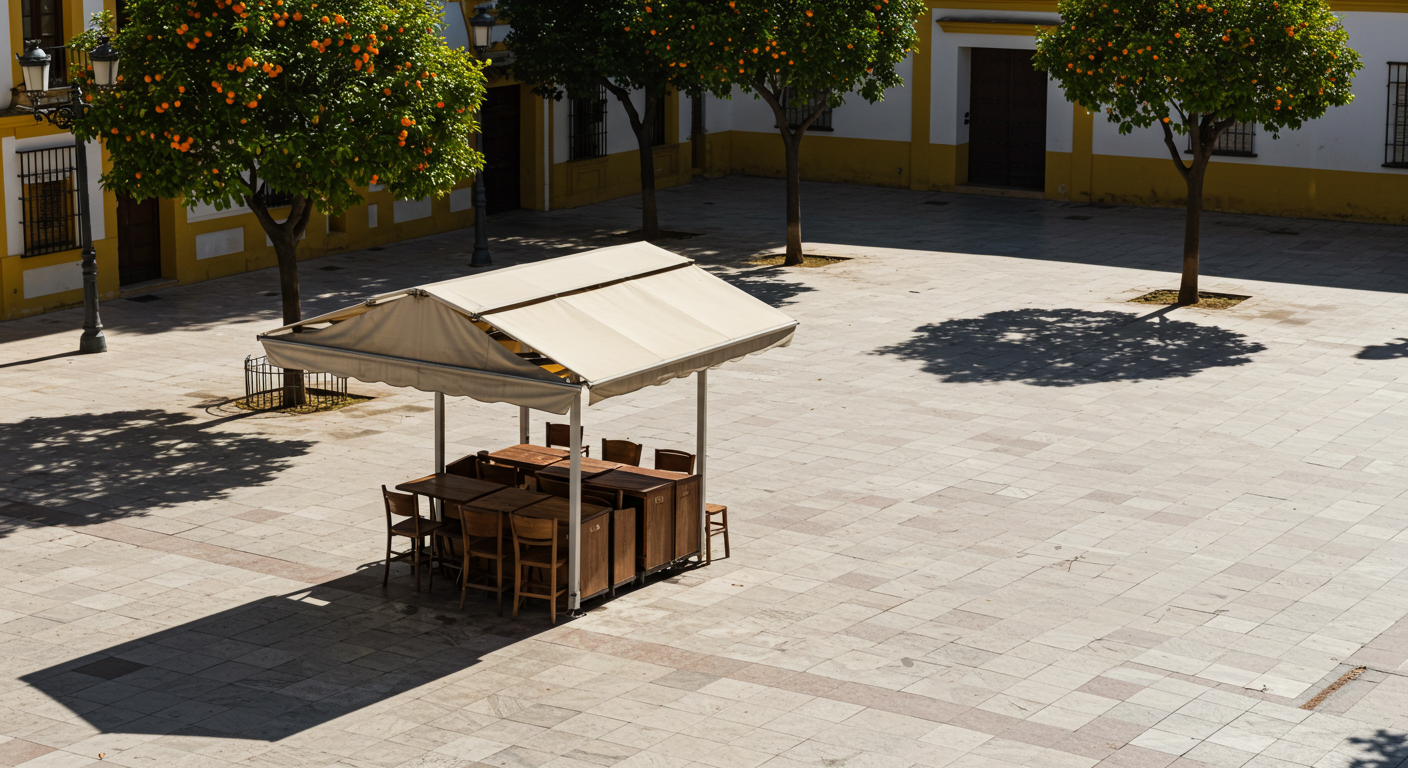
July in Seville hits 42°C and doesn't apologise for it. In Madrid, the tarmac on Gran Vía goes soft. In Valencia, the humidity makes 36°C feel like a wet towel draped over your face. If you're newly arrived in Spain — or just visiting in high summer — knowing how to stay cool in a Spanish summer heatwave is less a lifestyle tip and more a basic survival skill.
The short version: go out before 10am or after 7pm, sleep in the middle of the day, drink more water than you think you need, and stop fighting the rhythm of the country. Spain has spent centuries engineering a daily schedule around the heat. Follow it and you'll be fine. Ignore it and you'll spend three days in your hotel room with a damp flannel on your forehead.
Why Spanish Summers Are Getting Harder
This isn't just anecdote. The summers of 2021, 2022, and 2023 brought repeated olas de calor (heatwaves) that broke records across the peninsula. As of 2026, AEMET — Spain's national weather agency — issues heatwave warnings with increasing frequency between June and September. Inland cities are the worst: Córdoba, Seville, Badajoz, and Madrid regularly see prolonged stretches above 38°C. Coastal cities get sea breezes but often trade heat for humidity.
The Canary Islands are the exception. Las Palmas de Gran Canaria sits at around 24–27°C year-round, which is why half of northern Europe relocates there mentally every August. But if you're on the mainland, you need a plan.
The Two Safe Windows: Before 10am and After 7pm
Locals structure their days around this. The streets of any southern Spanish city between 2pm and 6pm in August are not empty because everyone's lazy — they're empty because everyone's sensible. The sun is almost directly overhead, there's no shade worth speaking of, and the reflected heat off stone pavements is genuinely brutal.
If you want to sightsee, do it early. The Alhambra at 8:30am is cool, quiet, and extraordinary. The same site at 1pm is a slow-moving queue of sunburned people who all wish they'd booked the morning slot. The Prado in Madrid opens at 10am — get there at opening and you'll have the Velázquez rooms almost to yourself. Wherever you are, morning is the asset.
The second window — after about 7pm — is when Spain really wakes up. This is not a myth or a travel cliché. The paseo is a real thing: families walking, bars filling up, children playing in plazas at 9pm. Dinner at 9:30pm isn't fashionable affectation, it's the temperature finally being bearable. Lean into it.
The Siesta: Actually Worth Taking
I was sceptical for my first summer here. Then I stopped fighting it. A 90-minute lie-down between 2pm and 4pm — curtains drawn, fan on, phone off — genuinely resets you for the evening. You're not being indolent; you're doing what every sensible mammal does when the sun is at its worst.
If you're staying somewhere with shutters (persianas), use them properly. Close them in the morning before the sun hits that side of the building and the room stays noticeably cooler all day. This is basic Spanish household knowledge that takes one summer to learn and saves you a fortune on air conditioning.
Speak of which: air conditioning is widespread in hotels, Airbnbs, and most modern flats, but many older buildings — particularly in historic centres — don't have it or have a single split unit that has to work very hard. If you're renting long-term and heat is a concern, ask specifically about air con before signing anything. More on the realities of renting in Spain without a Spanish payslip if you're at that stage.
Where to Actually Cool Off
Municipal Pools (Piscinas Municipales)
This is the local's secret that most tourists never find. Every Spanish city of any size has at least one municipal pool, and they're cheap — typically €3–6 entry as of 2026. Madrid has over 40 of them across the city's districts. They're busy on weekends but manageable on weekday afternoons. Search for 'piscina municipal' plus your neighbourhood and you'll find one within walking distance.
Shopping Centres
Unglamorous but effective. Spaniards use shopping centres (centros comerciales) as free air-conditioned refuges all summer. El Corte Inglés, Fnac, any large supermarket — all fully arctic inside. Nobody will bother you if you wander around for two hours not buying anything. This is accepted behaviour.
Churches and Cathedrals
Thick stone walls, high ceilings, no direct sunlight. Seville Cathedral is one of the coolest places in the city at 2pm, and you'd be paying to enter anyway. Same goes for Toledo's cathedral, Granada's, and virtually any Romanesque church in the north. They're not just culturally interesting — they're thermally useful.
Underground Spaces
The Madrid Metro is aggressively air-conditioned. So are the Barcelona and Valencia metro systems. If you need to cross the city at 3pm, take the metro even if you could walk it. The Sacromonte cave houses in Granada maintain a natural 18–20°C year-round, which is why people lived in them for centuries.
Heading to the Coast or the Mountains
If you're based inland and have any flexibility, a long weekend at the coast or at altitude makes a real difference. The Sierra de Guadarrama north of Madrid sits at 1,500–2,000 metres — it's 10°C cooler than the capital and has serious hiking. The Costa Verde in Asturias and Galicia rarely exceeds 25°C even in August and gets genuine Atlantic rain. It's the anti-Seville.
For beach access, the Spanish Mediterranean coast is what most people picture — but in August it's also extremely crowded. The quieter options are the Atlantic beaches of Cádiz province (strong wind, big waves, less overcrowding) and the Galician rías (cold water, dramatic scenery, almost no package tourists).
Hydration: The Part Everyone Underestimates
You lose water fast in 40°C dry heat, particularly if you're walking on stone. The rule I follow: drink half a litre before you leave the building, carry a bottle, and stop for water every hour whether you feel thirsty or not. By the time you feel thirsty in serious heat, you're already mildly dehydrated.
Tap water in Spain is safe to drink in almost all cities — Madrid's tap water is particularly good, soft and clean. Carrying a refillable bottle saves you the €1.50-per-bottle supermarket cost and the guilt about plastic. Many city councils have installed drinking fountains (fuentes de agua potable) in central areas; look for the small green signs.
Cold beer is tempting but it's a diuretic and it dulls your judgment about how hot you actually are. Alternating beer with water is the practical compromise. Agua con gas (sparkling water) is more refreshing than still in high heat, for whatever physiological reason. Horchata — the cold tiger-nut drink you find in Valencia — is genuinely restorative on a hot afternoon and non-alcoholic.
What to Wear
Natural fibres only: linen, light cotton. Synthetic fabrics trap heat against your skin and you'll feel miserable within an hour. Loose-fitting, light-coloured clothes. A hat with a proper brim — not a baseball cap, which leaves your neck unprotected. Sunscreen factor 50 on anything exposed, reapplied after two hours outdoors. This sounds obvious but the number of pink-shouldered tourists in Seville every August suggests it isn't obvious enough.
Practical Notes for New Residents
If you've recently moved to Spain and are navigating the bureaucratic side of life, the summer slowdown is real. Many government offices reduce their hours in July and August, and getting appointments for things like the TIE or empadronamiento can be even harder than usual. If you're waiting on paperwork, use the slower pace productively — rest, explore, get your bearings. The queues at the extranjería aren't going anywhere.
For healthcare, heat-related illness is taken seriously here. If you're not yet fully registered in the public system, it's worth understanding what cover you actually have before your TIE arrives. Heat exhaustion and heat stroke are genuine medical emergencies — don't tough them out.
If you're a digital nomad settling in for the summer, the midday shutdown is actually a gift for deep work: 11am–2pm, before the heat peaks, is often the most productive stretch. Then you're free by evening for the city's real social life. The Spanish digital nomad visa is worth understanding properly if you're planning to stay beyond 90 days.
The Mental Shift
The biggest adjustment isn't physical — it's psychological. Northern Europeans, in particular, tend to feel guilty about not being productive during the day, about napping, about eating dinner at 10pm, about the fact that nothing opens until 10am and everything closes at 2pm. That guilt is wasted energy.
Spain in summer is not a country that's malfunctioning. It's a country that arranged its life around its climate centuries ago and is still right about it. The sooner you stop resisting the rhythm and start working with it, the more you'll actually enjoy the season — which, despite everything, is genuinely extraordinary. Long warm evenings, cold wine, stone plazas full of people actually talking to each other. There are worse things.
Get a fan (a proper standing fan costs around €25–40 at any Carrefour or MediaMarkt), learn where your nearest municipal pool is, and book morning tickets for anything that requires queuing in the sun. The rest mostly takes care of itself.
Frequently asked questions
- What are the hottest months in Spain and when should I avoid going out?
- July and August are the hottest months across most of Spain, with inland cities like Seville, Córdoba, and Madrid regularly exceeding 38–42°C. Avoid being outdoors between roughly 12pm and 6pm — this is when sun intensity and reflected ground heat are at their worst. Mornings before 10am and evenings after 7pm are genuinely comfortable even in the height of summer.
- Is the siesta still a real thing in Spain?
- In residential terms, yes. Many Spaniards — particularly in southern cities — still rest in the early afternoon during summer. Shops and small businesses often close between 2pm and 5pm, especially outside major cities and tourist zones. Large supermarkets, shopping centres, and chain stores typically stay open all day, but independent shops, local offices, and some restaurants observe a midday break.
- Where can I cool down for free in a Spanish city during a heatwave?
- Municipal pools (piscinas municipales) are the best value — usually €3–6 entry. Churches and cathedrals are naturally cool due to thick stone walls. Air-conditioned shopping centres and supermarkets are free to enter and nobody will move you on. Underground metro systems are also heavily air-conditioned. Many city parks have fountains and shaded seating, though they don't provide the same relief as an indoor space.
- How do I avoid heat exhaustion while sightseeing in Spain in summer?
- Drink water consistently — at least half a litre before going out, and then regularly throughout the day whether you feel thirsty or not. Wear loose linen or cotton clothing, a wide-brimmed hat, and factor 50 sunscreen reapplied every two hours. Plan your sightseeing for before 11am or after 6pm. If you feel dizzy, nauseous, or stop sweating despite the heat, get into shade and cool air immediately and seek medical help — these are signs of heat stroke.
- Which parts of Spain are coolest in summer?
- Galicia and Asturias on the Atlantic coast rarely exceed 25°C in August and are genuinely green and rainy. The Basque Country is mild and often overcast. The Pyrenees and Sierra Nevada offer cool mountain temperatures. The Canary Islands maintain a year-round average of around 24–27°C. If you're committed to beach weather without extreme heat, the Atlantic coast of Cádiz province gets strong sea breezes that make the temperature feel much lower.
- Do Spanish government offices close during summer heatwaves?
- Most public offices maintain reduced summer hours (horario de verano) throughout July and August, typically opening earlier and closing by 2pm or 3pm. They don't close specifically for heatwaves, but the combination of reduced hours and high demand for appointments can make bureaucratic tasks harder to complete in summer. If you're dealing with residency paperwork, try to get appointments sorted before July if possible.
- Is it safe to drink tap water in Spain during summer?
- Yes, tap water is safe to drink in virtually all Spanish cities. Madrid's tap water has particularly good quality. Some smaller towns and rural areas may have water with a stronger mineral taste, but it's still safe. Carrying a refillable bottle is practical and saves money — public drinking fountains (fuentes de agua potable) are common in city centres and usually signposted.