Best Paradores in Spain: Historic Castles & Monasteries to Sleep In
The best paradores in Spain where you can sleep in a castle or monastery — from Granada's Alhambra to Santiago's cathedral square. Real picks, honest prices.
Parador de Granada books out months in advance. That one fact tells you everything about what the Spanish state-run hotel chain has pulled off: converting crumbling royal monasteries and medieval fortresses into places people genuinely want to sleep, eat, and linger — not just photograph from a coach park.
The best paradores in Spain for sleeping in historic castles and monasteries are, in my view: Parador de Granada (inside the Alhambra grounds), Parador de Santiago de Compostela (on the cathedral square, one of the oldest hotels in the world), Parador de Sigüenza (a 12th-century castle in Guadalajara province), Parador de Cardona (a Carolingian castle an hour from Barcelona), and Parador de Úbeda (a Renaissance palace in Jaén). Prices range from around €100 to €350 per night depending on season and room type, as of 2026. Book directly at parador.es — third-party sites rarely have better rates and sometimes have worse cancellation terms.
What Paradores Actually Are (And Why They're Worth It)
Paradores de Turismo is a Spanish state-owned hotel group founded in 1928, originally to develop rural tourism and preserve historic buildings that the private sector wouldn't touch. There are around 95 properties across Spain. Some are genuinely spectacular conversions — monasteries, castles, palaces, convents. Others are mid-century modern builds in scenic spots, which are perfectly fine but not the reason most people seek the chain out.
The food is consistently decent. Every parador serves regional cuisine, and while it's rarely the most exciting meal you'll eat in Spain, it's honest and well-executed — roast lamb in Castile, percebes in Galicia, salmorejo in Andalusia. The breakfast buffets are proper affairs. The staff tend to be career hospitality people rather than gap-year workers, which shows.
What you're paying for, beyond the room, is the architecture you inhabit. Sleeping inside the Alhambra complex, or waking up to the Santiago de Compostela cathedral outside your window, is genuinely different from anything a boutique hotel can manufacture.
Parador de Granada: The One That Requires Planning
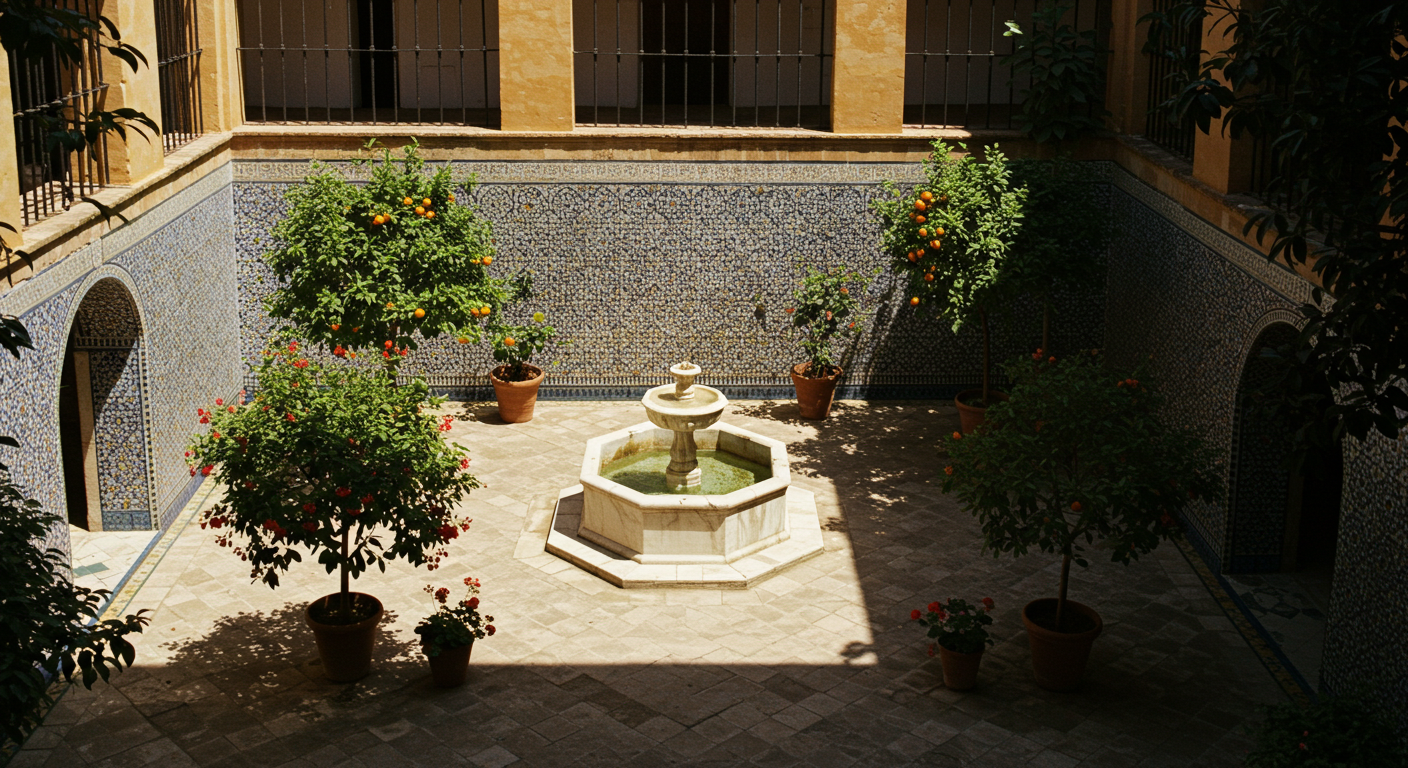
This is the famous one, and the fame is deserved. The building is a 15th-century Franciscan monastery built on the orders of the Catholic Monarchs — Ferdinand and Isabella are actually buried here, in the royal chapel — within the Alhambra fortified complex itself. You enter through the same gate as the Alhambra tourists, but once the day visitors leave at dusk, the grounds are yours.
That evening quiet — wandering the Nasrid gardens after closing time, with almost nobody around — is what justifies the price premium. Rooms start around €200 in low season and push past €350 in spring and summer. The cheapest rooms face the interior courtyard rather than the gardens; they're still lovely. Book three to four months ahead for peak season (April, May, September, October). The restaurant is good, not great — walk down to the Albaicín for dinner instead.
One practical note: you do not need a separate Alhambra ticket to access the parador. Guests get a pass. But if you want to visit the Nasrid Palaces properly, book those tickets separately and well in advance — they sell out faster than the hotel.
Parador de Santiago de Compostela: The Oldest Hotel Argument
Founded in 1499 by Ferdinand and Isabella as a royal hospital for pilgrims arriving on the Camino de Santiago, the Hostal dos Reis Católicos — as it was originally called — claims to be one of the oldest hotels in the world in continuous operation. Whether you accept that claim depends on your definition of hotel, but the building is extraordinary regardless.
It sits directly on the Praza das Praterías — or rather, on the Praza do Obradoiro, the main cathedral square. You look out at the cathedral façade. Pilgrims who've walked 800 kilometres from France arrive in that square exhausted and weeping, and you're watching from a Renaissance arcade with a glass of Albariño. It's a slightly surreal experience, and I mean that warmly.
Rooms from around €150 to €280. The cloisters alone are worth walking through even if you're not staying. The parador also has a long tradition of feeding pilgrims — historically, the first ten arrivals each day were given free meals. That tradition has lapsed, but the restaurant still does a solid Galician menu.
Galicia is genuinely one of the most underrated parts of Spain for slow travel. If you're planning a longer stay in the northwest and thinking about what residency or remote-work arrangements might look like, the Spanish Digital Nomad Visa on Minimum Salary: Is It Worth It? piece is worth reading before you commit to anything.
Parador de Sigüenza: The Castle Few People Know About
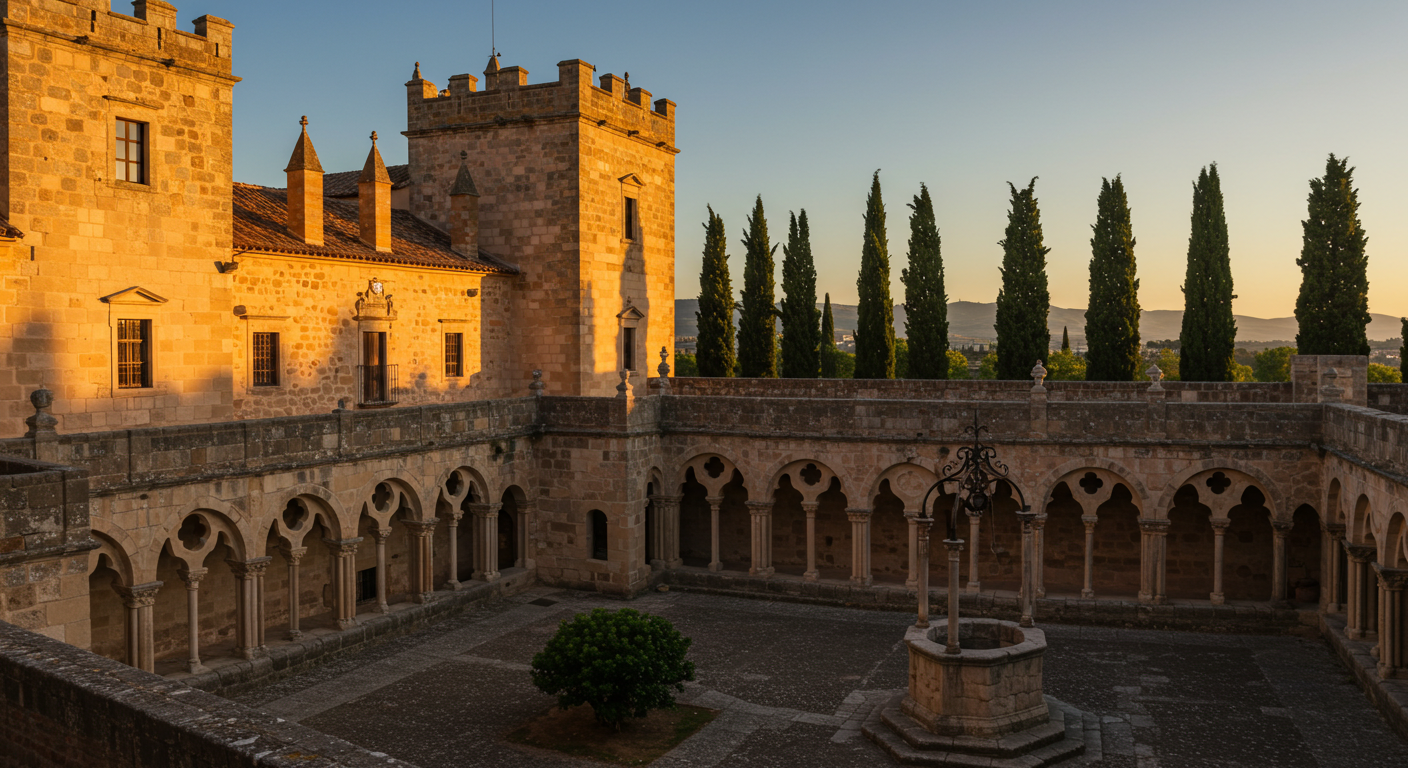
Sigüenza is a small cathedral town in Guadalajara province, about 130 kilometres northeast of Madrid. The parador here occupies a 12th-century castle-palace that served as a bishop's residence for centuries. It's enormous — thick stone walls, a proper keep, a courtyard with a well — and because Sigüenza doesn't appear on most tourist itineraries, you can often book this place two or three weeks out rather than months.
Prices are more modest: around €100–€160 per night. The town itself is quiet in a way that feels like Spain used to be before everywhere got discovered. There's a fine Romanesque cathedral with an unusual Gothic chapel. The drive through the Alcarria plateau to get there is genuinely lovely. This is the parador I'd recommend to anyone who wants the castle experience without the Instagram crowds.
Parador de Cardona: One Hour from Barcelona
Cardona is a medieval salt-mining town in Catalonia's Bages region, and the parador occupies a Carolingian castle on a hill above it — parts of the structure date to the 9th century, though most of what you sleep in is 10th to 15th century. The views over the Cardener valley are wide and unhurried.
The appeal here is partly logistical. If you're based in Barcelona and want one night in a proper castle without a long drive, Cardona is manageable — around 90 minutes by car, though public transport is limited. Rooms from roughly €120–€200. The collegiate church of Sant Vicenç, within the castle complex, has some of the best pre-Romanesque stonework in Catalonia and is included in your stay.
I'd skip the parador restaurant here and eat in the town instead — there are a couple of straightforward Catalan places that do better food at lower prices.
Parador de Úbeda: Renaissance Spain at Its Most Concentrated
Úbeda and Baeza together form a UNESCO World Heritage Site in Jaén province — two small Renaissance towns in the olive-growing heart of Andalusia that most visitors skip because they're not on the coast. That's their advantage.
The Parador de Úbeda occupies the Palacio del Deán Ortega, a 16th-century palace facing the Plaza Vázquez de Molina, which is one of the most coherent Renaissance squares in Spain. The building is warm gold stone, arcaded, serious. Rooms from around €110–€180. The restaurant does Jaén cooking — partridge in escabeche, lamb with honey, local olive oil on everything — and does it well.
This is a parador where I'd actually recommend eating in. The plaza at night, lit up and nearly empty, with the Sacra Capilla del Salvador at one end, is the kind of thing you remember.
A Few Paradores Worth Mentioning (And One to Skip)
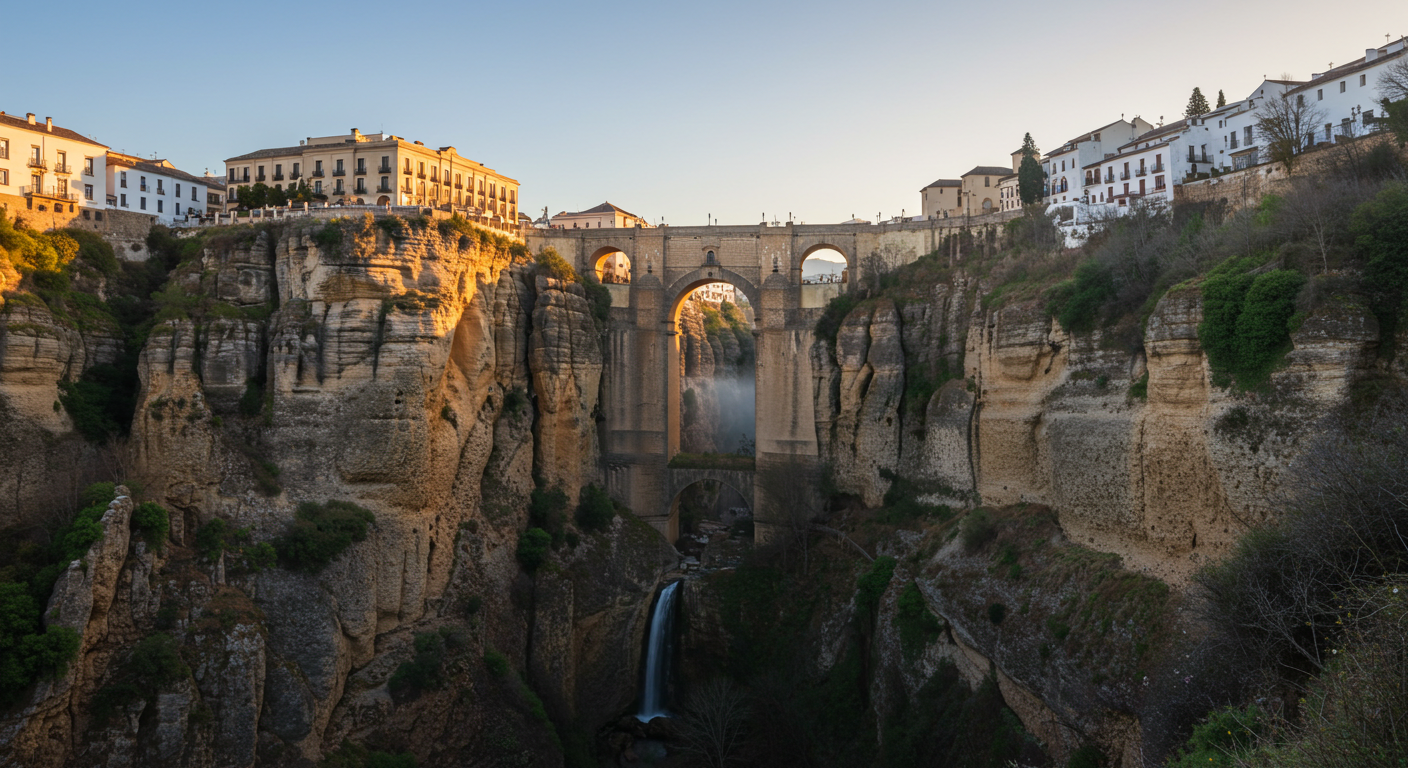
Parador de Cuenca occupies a 14th-century convent above the famous hanging houses — the views are extraordinary and rooms are around €120–€200. Parador de Olite sits inside a fairy-tale medieval castle in Navarre, legitimately spectacular, around €130–€200.
Parador de Almagro in Ciudad Real is a 16th-century convent with a beautiful cloister and very reasonable prices — often under €100. It's quiet in a way that some people find dull and others find restorative. I'm in the second camp.
The Parador de Cádiz, on the other hand, is a modern building with fine sea views and no particular historic character. Fine for what it is, but don't book it expecting a castle.
Practical Things Nobody Mentions
Paradores have a loyalty programme called Amigos de Paradores. If you're planning more than two or three stays, it pays for itself — you get room upgrades, late checkout, and a discount on the rack rate. Sign up before your first booking, not after.
The 'Dos Estrellas' offer — two nights for the price of one at selected paradores in low season — appears periodically on the website and is genuinely good value. Check in January and February for spring dates.
Breakfast is usually €15–€20 per person and almost always worth having in-house. Dinner in the parador restaurant is typically €30–€45 for a full meal with wine. You're not going to find cheaper in the building, but in most towns you'll find better value outside.
If you're travelling to Spain as a new resident and still sorting the administrative side of things — TIE cards, healthcare access, bank accounts — some of that can feel overwhelming alongside planning trips. The Healthcare in Spain Before Your TIE Arrives: What Cover Do You Actually Have? article is genuinely useful if you're mid-process. And if you're still working out how to open a Spanish bank account as a non-resident, that's worth sorting before booking anything that requires a Spanish card for the best rates.
The parador system is one of those things Spain does quietly well — preserving architecture that would otherwise have crumbled, making it accessible, and charging prices that are high but not absurd. The Granada one really does need to be booked absurdly far ahead. Start there.
Frequently asked questions
- How far in advance do you need to book the Parador de Granada?
- For peak season (April, May, September, October), book three to four months ahead — it's one of the most in-demand hotels in Spain. For winter stays (November to February, excluding Christmas), four to six weeks is usually sufficient. Book directly at parador.es for the best cancellation terms.
- Are paradores good value for money compared to regular hotels?
- For the historic castle and monastery properties, yes — you're paying for irreplaceable architecture and atmosphere, not just a room. The modern parador builds in scenic spots are less compelling on value. Prices range from around €100 to €350 per night as of 2026. The Amigos de Paradores loyalty programme and seasonal 'Dos Estrellas' offers improve the value significantly.
- Which parador in Spain is the oldest?
- The Parador de Santiago de Compostela — the former Hostal dos Reis Católicos — was founded in 1499 by Ferdinand and Isabella as a royal pilgrim hospital. It's widely cited as one of the oldest hotels in the world in continuous operation, though the definition of 'hotel' is debated.
- Can you visit a parador without staying there?
- Yes, most paradores welcome non-guests for meals and drinks. The restaurant and bar are generally open to the public. This is a good way to experience the architecture of somewhere like the Parador de Granada or Parador de Sigüenza without paying for a room.
- Which parador is best for a castle experience near Madrid?
- Parador de Sigüenza is the strongest option — a genuine 12th-century castle about 130 kilometres from Madrid, with rooms from around €100–€160 and far less competition for bookings than the more famous properties. Parador de Chinchón (a 17th-century Augustinian convent, 45 minutes from Madrid) is also excellent and very easy to reach.
- Do paradores include breakfast in the room rate?
- Not usually — breakfast is typically an add-on at €15–€20 per person. It's worth having in most paradores as the buffets are generous and regionally focused, but check what's included when booking as it occasionally varies by rate type or promotion.
- Is the Parador de Cardona accessible without a car?
- With difficulty. There are occasional buses from Manresa (which connects to Barcelona by FGC train), but services are infrequent. A rental car or taxi from Manresa is the practical option. Budget around €20–€25 for a taxi from Manresa station to the castle.