A Coruña vs Vigo for Slow Travel: Galicia's Best Seafood Cities
A slow travel guide to A Coruña and Vigo: which Galician Atlantic city to visit, what to eat, where to stay, and how to spend a week on the coast.
Slow Travel in A Coruña and Vigo: Galicia's Atlantic Cities and Seafood
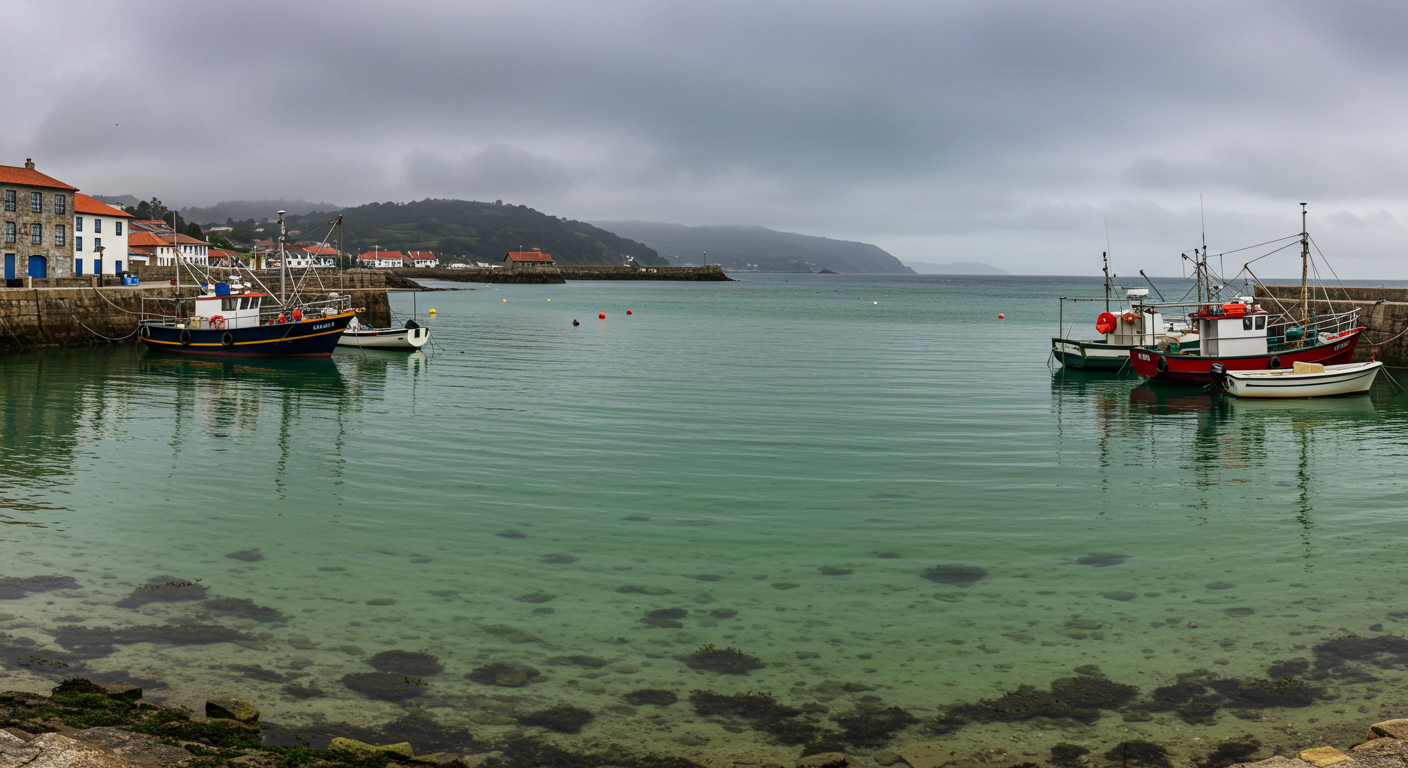
Galicia gets about a quarter of Spain's annual rainfall and roughly none of the tourist crowds that clog the south in August. That's the deal. You get granite fishing towns, cold green water, the best shellfish in Europe by most honest assessments, and the peculiar pleasure of sitting in a marisquería at two in the afternoon while it drizzles outside and nobody seems remotely bothered. If you're after slow travel in Atlantic Spain — genuinely slow, not "slow" as a marketing word — A Coruña and Vigo are the two cities that repay the approach most.
Both sit on Galicia's Atlantic coast. Both revolve around the sea, industrially and culturally. But they're quite different in feel, and choosing between them — or working out how to split a week between both — is the real question most visitors face. The short answer: A Coruña for elegance and walking, Vigo for grit, energy, and arguably the superior raw seafood experience. Do both if you have seven or more days. Start with A Coruña.
A Coruña: Glass Galleries and Quiet Mornings
The thing you notice first about A Coruña is the galerías — the white-framed glass balconies that line the seafront of the Cidade Vella and the Pescadería neighbourhood. They were built to trap Atlantic light in a city that doesn't always have much of it. On a grey morning they glow. The whole seafront promenade, the Paseo Marítimo, is about 13 kilometres of unbroken waterfront path — reportedly the longest urban seafront promenade in Europe, though I'd verify that before betting money on it. Long enough, anyway, that you can walk two hours and still be in the city.
The old town is compact and manageable. The Romanesque Colegiata de Santa María do Campo is worth twenty minutes of your time; the Torre de Hércules (a functioning Roman lighthouse, still lit) is worth the short taxi ride out to the peninsula on a clear afternoon, ideally just before sunset. But honestly, A Coruña rewards wandering more than it rewards a list of sights. The Cidade Vella has good independent coffee shops now — look around the streets behind Praza de María Pita — and the general atmosphere on a Tuesday morning is of a place that's comfortably itself, not performing for visitors.
Where to Eat in A Coruña
Seafood is not optional here. It's the whole point. The pulpo á feira (octopus with paprika and olive oil on wooden boards) you'll find across Galicia, but in A Coruña the percebes (goose barnacles) are the obsession. They're harvested from the rocks of the Costa da Morte, the jagged stretch of coast just west of the city, and they taste intensely of cold Atlantic seawater. Eat them boiled, with your fingers, in a place that doesn't bother with tablecloths. Prices fluctuate with season and catch — expect to pay anywhere from €25 to €60 per 100g for good percebes in 2026, which sounds alarming until you understand that harvesting them involves hanging off sea cliffs in a storm.
For a proper sit-down meal, the area around Calle de la Franja and the Pescadería neighbourhood has a string of reliable marisquerías. Skip the ones with laminated menus and photographs of the dishes on the wall — those exist for tourists and the quality drops accordingly. Look for handwritten blackboards and a crowd that's mostly local. The zamburiñas (small scallops, grilled) and navajas (razor clams with garlic and white wine) are both cheaper than percebes and just as good.
For something lighter or if you want a break from shellfish (it happens), A Coruña has a decent tapas scene around the Praza de Azcárraga. The empanada gallega — a thick pastry filled with tuna, peppers and onion — is available everywhere and worth eating at least once. Go to a bakery rather than a bar for the best version.
Vigo: Bigger, Rougher, More Alive
Vigo is Galicia's largest city and it has the energy to match. It's a working port — container ships, fishing trawlers, Stellantis car plant on the edge of town — and it doesn't apologise for any of that. The city climbs steeply from the ría (the long Atlantic inlet) up through a tangle of neighbourhoods that vary wildly in character within a few streets.
The old town, Casco Vello, is the place to spend your first afternoon. It's smaller than you expect and slightly rough around the edges, which is fine. The streets around Calle Real and Praza da Constitución have independent bars, a few good wine shops, and the kind of lived-in atmosphere that A Coruña's tidier centre lacks. Graffiti, steep cobbles, washing lines. It feels like a city that's getting on with things.
The Mercado da Pedra — known locally as the oyster market — is Vigo's defining food experience. Women from the mariscadoras guilds sit at stone tables outside the market building and sell oysters, fresh from the rías, for somewhere around €1 to €2 each (2026 prices). You buy a half-dozen, they open them on the spot, you eat them standing up with a glass of Albariño from the bar next door. This is one of the best cheap food experiences in Spain, full stop. It's busiest on weekend mornings but runs most days. Don't miss it.
Vigo's Rías Baixas and the Wine
The Rías Baixas DO designation covers the wine-producing valleys south and east of Vigo, and Albariño is the grape. It's a white wine — crisp, slightly saline, higher acidity than most Spanish whites — and it's made for shellfish in a way that feels almost engineered. A glass costs €2.50–€4 in most Vigo bars. The wine shops in the Casco Vello stock a range of producers; the big commercial names (Martín Códax, Pazo de Señoráns) are reliable but the smaller single-vineyard bottles from producers around O Salnés or Condado do Tea are worth seeking out.
If you have a car or don't mind a local bus, the town of Cambados — about 45 minutes north of Vigo — is the unofficial capital of Albariño country. It's quiet, pretty, and has a ruined pazo (manor house) that forms the backdrop to the annual Albariño wine festival in August. Outside festival time it's almost empty.
Getting Between A Coruña and Vigo
The two cities are about 160km apart by road, roughly two hours. The train is the easiest option — there are regular RENFE services and the journey takes around two hours, sometimes a touch more. Tickets are cheap, often under €20 one-way booked in advance. The bus (ALSA) is slightly slower but cheaper still and drops you centrally in both cities.
If you're driving, the AP-9 motorway runs the length of Galicia's western coast and is the fast route. There are tolls — budget around €15–€20 for the full length. The N-550 is the free alternative and takes considerably longer but passes through small towns worth a stop.
A Week in Galicia: A Realistic Itinerary
Four days in A Coruña, three in Vigo works well. Alternatively, use one city as a base and day-trip to the other, though both deserve overnight stays to catch the evening marisco culture properly.
From A Coruña, the Costa da Morte is a half-day drive west — the villages of Muxía and Carnota have dramatic beaches (Praia de Carnota is one of the longest in Galicia, wide and almost always empty) and the lighthouse at Cabo Fisterra is where the Camino de Santiago ends for many pilgrims. It's bleak and magnificent on a grey day.
From Vigo, the Cíes Islands are the obvious excursion. They're part of the Atlantic Islands of Galicia National Park, ferry access only (from Vigo port, seasonal — mainly April to October), and the beach Praia das Rodas has appeared on various "best beach in Europe" lists, which brings crowds in July and August. Go in May or September and it's a different experience entirely. Permits are required to visit in summer — book well in advance through the official national park website.
Living in or Relocating to Galicia
A growing number of remote workers and retirees are looking at Galicia seriously, put off by Catalonia and Andalusia's prices and crowds. A Coruña and Vigo both have international airports (Santiago de Compostela's airport, just inland, is the main regional hub), reasonable property prices by Spanish standards, and the full infrastructure of mid-sized Spanish cities.
Renting is straightforward compared to Madrid or Barcelona, though as everywhere, landlords increasingly want proof of income. If you're arriving without a Spanish payslip, renting in Spain without a Spanish payslip is harder than it used to be but workable with the right approach. Getting your paperwork sorted — NIE, bank account, empadronamiento — follows the same pattern as anywhere in Spain. Opening a Spanish bank account as a non-resident is the first practical step; do it before you arrive if you can.
For freelancers considering Galicia as a base, the question of whether you need professional help with registration comes up early. Whether you actually need a gestor to register as autónomo depends on your situation, but in smaller cities like A Coruña the local gestorías are generally cheaper than in Madrid and easier to get appointments with. Healthcare access while you're getting established is also worth sorting early — what cover you actually have before your TIE arrives is a question with a non-obvious answer.
If you're considering the digital nomad visa as your route in, Galicia is a feasible base — the cost of living is lower than the Spanish average, which helps if you're working to the minimum salary threshold.
Practical Notes for the Visit
Weather: Galicia is genuinely rainy. Pack for it. The wettest months are November through February; July and August are the driest and warmest (18–22°C typically). September and October are often excellent — mild, clear, fewer visitors.
Language: Galician (galego) is the co-official language alongside Spanish, and you'll see it everywhere on signage and menus. Most people switch to Castilian without fuss. English is less widely spoken than in Barcelona or Madrid, particularly outside hotels, but patience and pointing go a long way in any marisquería.
Tipping: Not expected in Galicia any more than elsewhere in Spain. Round up or leave small change if the service was good. Nobody will chase you out if you don't.
The food markets in both cities — Mercado de San Agustín in A Coruña, Mercado do Progreso in Vigo — are worth a morning even if you're not cooking. The fish and shellfish counters alone are a spectacle.
Come hungry. Come with time. That's the whole strategy.
Frequently asked questions
- Is A Coruña or Vigo better for a first visit to Galicia?
- A Coruña is the easier introduction — it's more compact, the waterfront is immediately impressive, and the old town is manageable on foot in an afternoon. Vigo has more raw energy and arguably better cheap seafood (the oyster market is unmissable), but it takes a day to find your feet. If you only have three or four days, A Coruña. If you have a week, do both.
- What is the best seafood to eat in Galicia?
- Percebes (goose barnacles) are the prestige option — intensely flavoured and expensive. For everyday eating, zamburiñas (small grilled scallops), navajas (razor clams), and fresh oysters in Vigo's market are all outstanding and much cheaper. Pulpo á feira (octopus with paprika) is everywhere and worth eating, though it's better in smaller inland towns during a market day than in tourist-facing restaurants.
- When is the best time to visit A Coruña and Vigo?
- May, June, and September are the sweet spot — mild temperatures (16–22°C), lower crowds, and the seafood supply is strong. July and August are the driest months but bring the most visitors, especially to the Cíes Islands. Avoid January and February unless you genuinely don't mind rain; the cities are quieter but the weather is grey and wet.
- How do you get to the Cíes Islands from Vigo?
- Ferries run from Vigo's port (Estación Marítima) seasonally, roughly April to October. In summer (June–September) you need a prior permit to visit, available through the Parque Nacional das Illas Atlánticas de Galicia website. Permits sell out weeks in advance for peak dates. The crossing takes about 45 minutes. There are no hotels on the islands — it's day trips and a small campsite.
- Is Galicia a good place to live as a remote worker or digital nomad?
- Yes, and it's underrated for it. Cost of living is lower than Madrid, Barcelona, or the Costas. Both A Coruña and Vigo have decent infrastructure, good internet, and a genuine local culture that hasn't been flattened by tourism. The weather is the honest downside — if you need reliable sunshine, look south. If you can live with Atlantic grey in winter, Galicia offers a very good quality of life at a reasonable price.
- What wine should I drink with Galician seafood?
- Albariño from the Rías Baixas DO. It's the obvious answer because it's correct — the crisp acidity and slight salinity cut through shellfish perfectly. Ask for a local producer rather than the big commercial brands if you want to explore. Godello (from the Valdeorras DO, inland Galicia) is worth trying too, especially with richer fish dishes.
- Can I get around Galicia without a car?
- Between A Coruña and Vigo, yes — train and bus connections are good. Within each city, both are walkable. For the Costa da Morte, Cambados, or rural areas, a car makes life significantly easier; public bus services exist but are infrequent. Car hire in Santiago de Compostela or at either city's airport is straightforward and reasonably priced outside peak summer weeks.