Costa Brava Beaches and Hidden Calas: A Summer Guide to Catalonia's Wild Coast
From busy resort sands to secret rocky coves, this is your honest guide to the best Costa Brava beaches and calas for summer 2026 — with real logistics.
Why the Costa Brava Still Earns Its Name
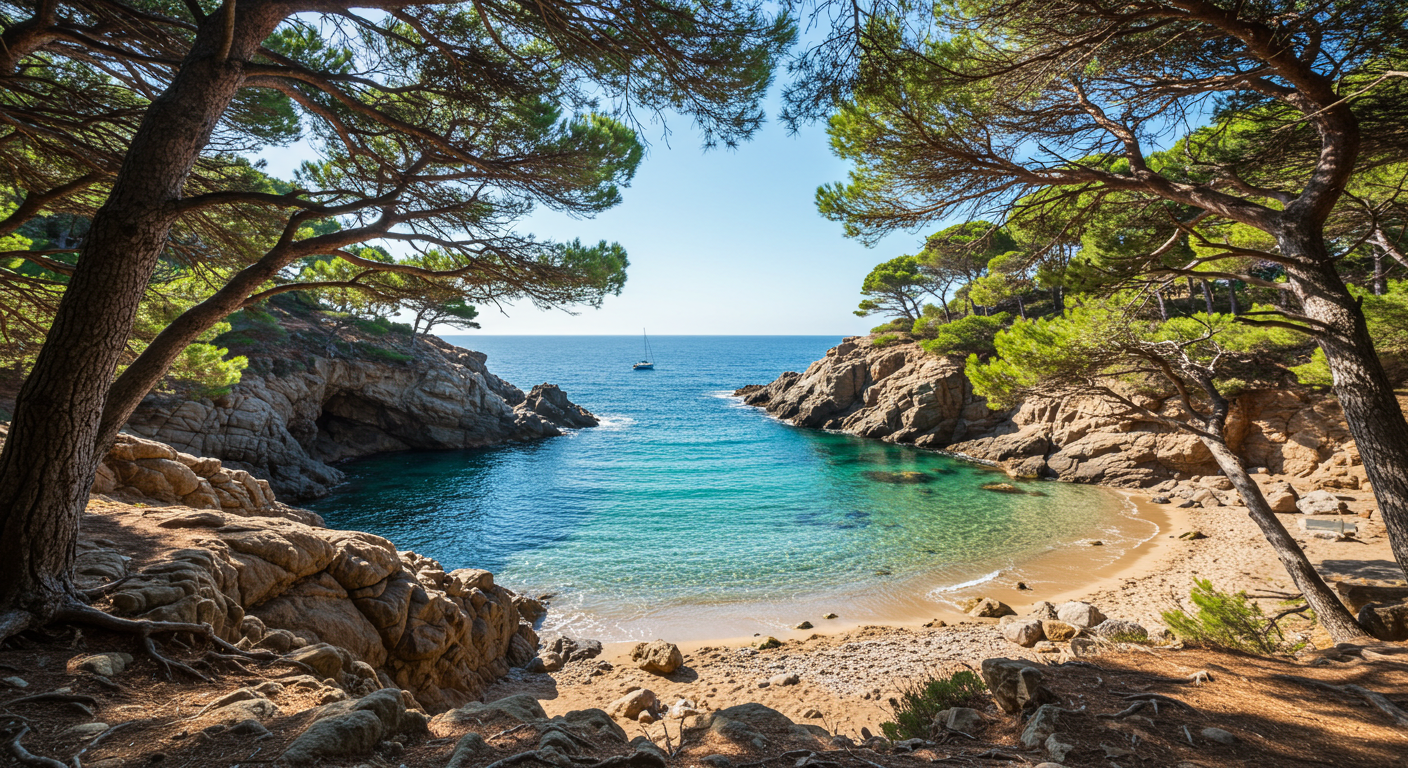
The name means wild coast, and in spite of decades of tourism, much of it still is. Stretch from Blanes in the south to the Cap de Creus peninsula in the north — roughly 200 kilometres of Catalan coastline — and you'll find a landscape that lurches between pine-fringed cliffs, transparent turquoise inlets, medieval fishing villages and, yes, a handful of genuinely overcrowded resort towns. The trick to loving the Costa Brava in summer 2026 is knowing which is which, and planning accordingly.
This guide is built around that premise. We're not going to pretend that Lloret de Mar in August is a hidden gem. But we will tell you exactly where to find a cala so quiet you'll question whether you're still in Spain.
The Lay of the Land: Three Distinct Stretches
It helps to think of the Costa Brava in three rough sections, each with its own character.
The Southern Costa Brava (Blanes to Palamós)
This is the most developed section. Blanes, Lloret de Mar and Tossa de Mar attract enormous volumes of package tourism. That said, Tossa de Mar — with its intact medieval walled town and the Cala Pola and Cala Giverola nearby — is considerably more appealing than its neighbours. The beaches here are wider and sandier than further north, which is partly why they fill up.
Platja Gran de Tossa de Mar is the main town beach: well-organised, good water quality (Blue Flag most years), and genuinely pretty with the Vila Vella fortress rising behind it. Arrive before 10am in July and August or you'll be laying your towel on someone's feet.
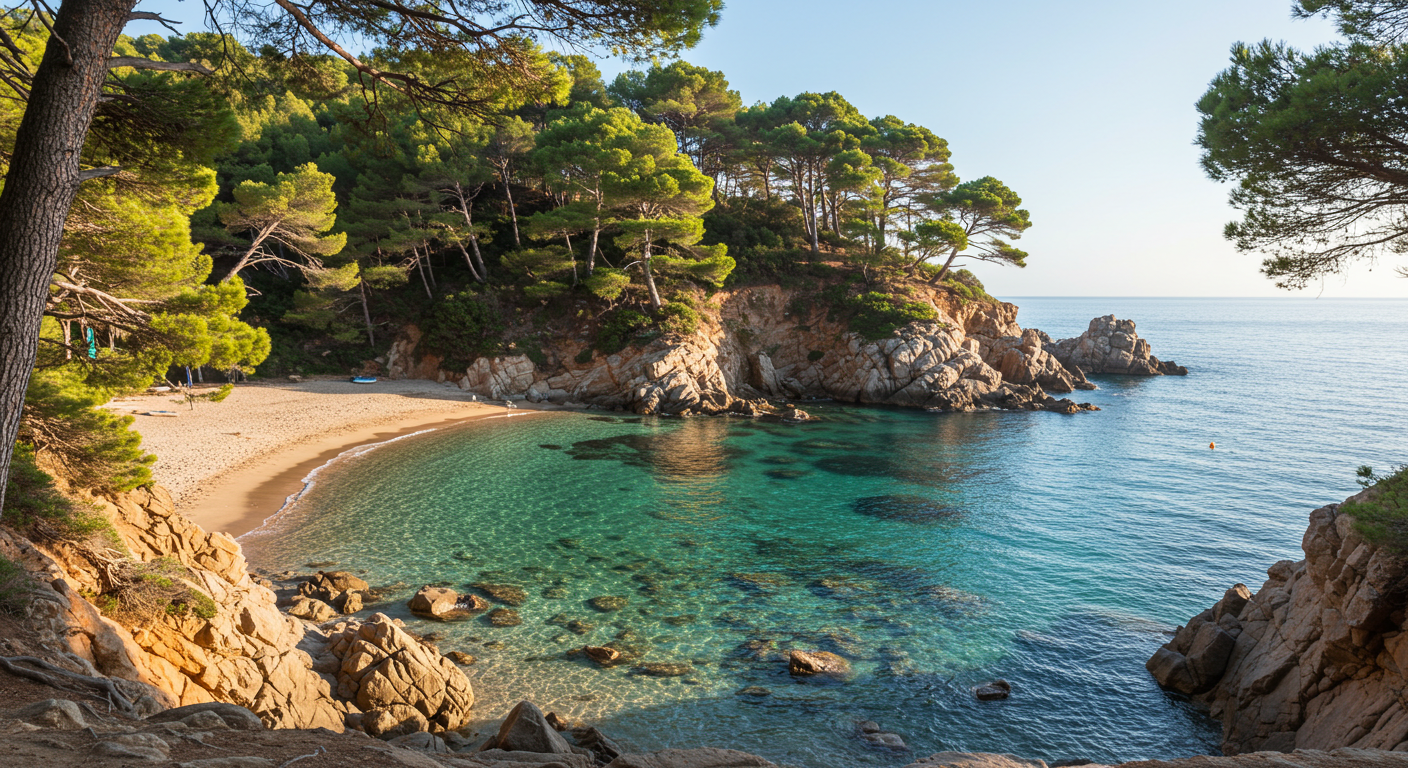
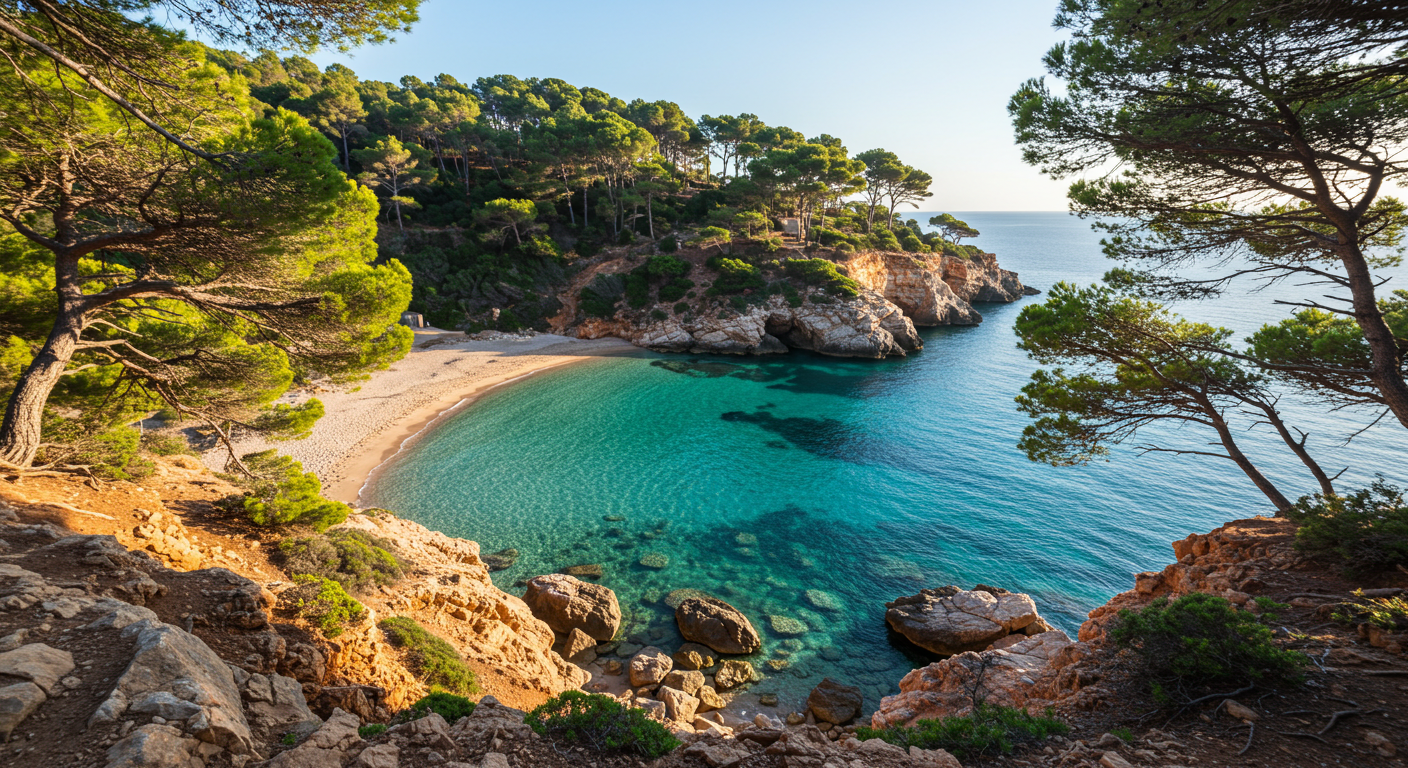
For something quieter, Cala Pola (about 4km north of Tossa, accessible by a 20-minute footpath from the GR-92 coastal trail or by summer boat taxi) is a small pebbly cove ringed by pine trees with water so clear it reads almost green in the shallows. No sunbed rental. No bar. Bring water.
The Central Costa Brava (Palamós to Begur)
This is arguably the sweet spot: accessible enough to reach without a car from Girona or Barcelona, varied enough to reward several days of exploration, and not yet overwhelmed in the way the south is. The towns of Calella de Palafrugell, Llafranc and Tamariu are all within a few kilometres of each other and connected by coastal footpaths.
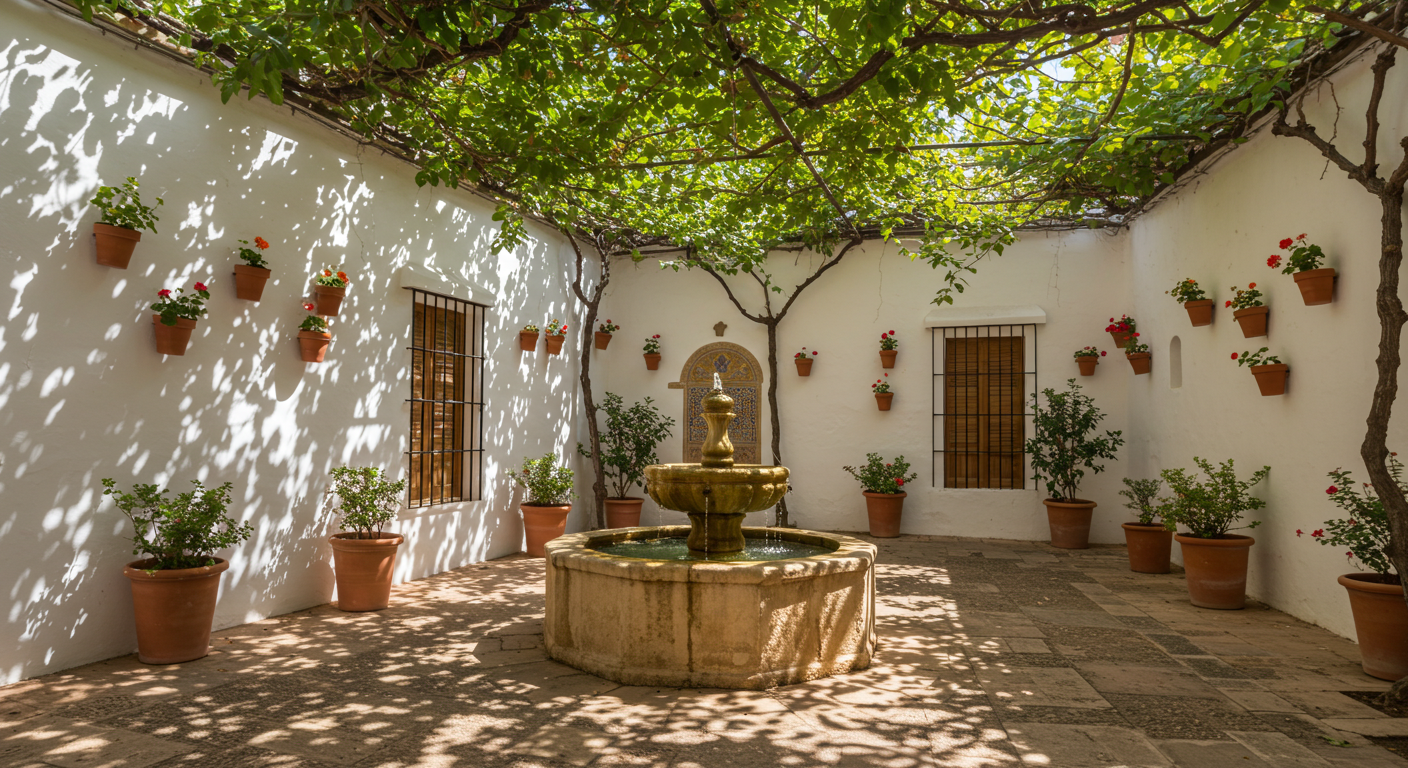
Calella de Palafrugell retains a working-village feel — whitewashed houses, a small fishing harbour, a weekly market — alongside a string of small sandy coves. The most photogenic is Cala del Canadell, a compact crescent where the water is reliably calm and the backdrop is all bougainvillea and fishing boats. It gets busy by midday; the trick is to walk ten minutes south along the path to Cala Roig, which holds perhaps a third of the people.
Tamariu is the quietest of the three villages: a single bay, a handful of restaurants, no real nightlife. As of 2026, the village has no public car park within easy walking distance of the beach, which acts as a natural filter on visitor numbers. Come by bus from Palafrugell (service L1, roughly every 30–40 minutes in summer) and you'll find a pace of life that feels closer to the 1970s than the present.
Begur, set on a hill above the coast with a ruined castle, is the area's most characterful inland town. From here, a series of roads and footpaths drop down to a cluster of calas — Aiguafreda, Sa Tuna, Fornells — each slightly different in character. Sa Tuna has a small restaurant and a handful of traditional fishermen's huts (barques); Aiguafreda is rockier and more sheltered. Neither has parking to speak of, which again keeps the crowds manageable.
The Northern Costa Brava (L'Estartit to Portbou)
The north is where the landscape becomes properly dramatic. The Pyrenees meet the sea at Cap de Creus, Spain's easternmost point, creating a coastline of volcanic rock, wind-scoured scrubland and improbably blue water. The light here — luminous, particular, slightly hallucinatory on hot afternoons — is what drew Salvador Dalí to Cadaqués and kept him there for much of his life.
L'Estartit is the gateway to the Illes Medes, a small archipelago and marine reserve that offers some of the best snorkelling and diving in the western Mediterranean. Day-trip boats run from the harbour throughout summer; expect to pay around €15–20 per person for a glass-bottomed boat excursion or €35–50 for a guided snorkel trip as of 2026. The reserve is genuinely exceptional — grouper, moray eels, octopus, dense posidonia meadows — and the experience of floating above it in water this clear is one of the better things you can do on a Spanish coast. For more ideas on where the Costa Brava fits within Spain's wider coastal offer, see our coast-by-coast guide to the best beaches in Spain for summer 2026.
Cadaqués deserves its reputation. The village is genuinely beautiful — the whitewashed cubic houses, the church on the hill, the narrow streets that resist any kind of vehicle logic — and the surrounding coastline is extraordinary. The nearest proper beach is Platja de Cadaqués itself, a curve of small pebbles in the town bay, but the real draws are the calas to the south: Cala Nans, Cala Jugadora and, further along, Cala Guillola. These require walking — typically 30–60 minutes from town on rocky paths — and have no facilities whatsoever. They are, in exchange, often nearly empty even in August.
Cap de Creus Natural Park at the northern tip is worth a half-day even if you don't swim. The lighthouse, the rock formations, the views across to the Pyrenees and down the coast: it's the kind of place that reminds you why Catalonia's coast was worth protecting. The restaurant at the lighthouse (Can Rafa) serves a decent set lunch for around €18–22 as of 2026.
Practical Logistics: Getting There Without a Car
The honest answer is that a car makes the Costa Brava significantly easier, particularly for reaching isolated calas. That said, the central section — Palafrugell, Calella, Tamariu, Begur — is workable without one.
From Barcelona: High-speed trains run to Girona in under 40 minutes (from €10–15 one way as of 2026). From Girona, SARFA buses serve most coastal towns. The journey from Girona to Palafrugell takes around 50 minutes; to Cadaqués it's closer to 2.5 hours with a change at Figueres.
From Girona airport: Girona–Costa Brava airport (GRO) has budget airline connections across Europe. A taxi to the city centre costs around €25–30; from there, onward buses to the coast.
Boat taxis: In summer, small boat services (llanxes) connect many coastal villages — Calella, Llafranc, Tamariu, Begur's calas — and are often the most pleasant way to move between spots. Fares are typically €5–10 per hop.
Parking: If you do drive, arrive early. Many coastal villages have introduced regulated parking zones and in some cases outright restrictions on through-traffic in July and August. Cadaqués, for example, has a mandatory shuttle bus system from an out-of-town car park on the busiest summer days.
Where to Stay: Honest Recommendations by Budget
Budget: Camping is genuinely good on the Costa Brava. Sites like Camping Tamariu and Camping Cala Gogo (near Calonge) are well-run, have direct beach access, and cost €25–45 per night for two people with a tent as of 2026. Book months ahead for July and August.
Mid-range: The small hotels and hostals in Calella de Palafrugell and Tamariu offer comfortable rooms with character for €80–140 per night in high season. Hotel Tamariu (directly on the bay) is a reliable, family-run option that has been there for decades — not flashy, entirely decent.
Higher end: Cadaqués has a handful of boutique hotels; Hotel Llane Petit sits directly on a small cove south of the village centre and is well-regarded. Expect €200–300 per night in August. For those considering a longer stay or relocation to Catalonia, the administrative groundwork — including residency registration — is worth sorting early; our guide to getting your NIE and TIE in Spain covers the essentials.
What to Eat: The Costa Brava Table
Catalan coastal cooking is built on fish and rice, and the Costa Brava does both exceptionally well. A few things worth seeking out:
Suquet de peix: A Catalan fish stew — typically monkfish, prawns, clams — thickened with a picada of almonds, garlic and fried bread. It's the region's answer to bouillabaisse and considerably less fussy. Most traditional restaurants in Calella and Cadaqués do a version.
Arròs de peix: Rice cooked in fish stock, somewhere between a paella and a risotto in texture. The version at Restaurant La Gamba in Roses is frequently cited as one of the best on the coast.
Anchovies from L'Escala: The town of L'Escala, just north of L'Estartit, has been salt-curing anchovies for centuries. Buy a jar from one of the small producers in town — Anxoves de l'Escala is the most established — and you'll understand why Catalan cooks treat them as a condiment rather than a garnish.
Cava and local wine: The DO Empordà wine region covers the northern Costa Brava hinterland. Whites and rosés from producers like Mas Estela and Espelt Viticultors are well-suited to seafood and summer heat. A bottle from a local shop runs €8–15; restaurant mark-ups are reasonable by Spanish standards.
For a sense of how seriously Spain's north takes its food culture, our piece on eating in San Sebastián is a useful comparison — a different tradition entirely, but the same underlying seriousness about ingredients.
Timing Your Visit: When to Go and When to Avoid
July and August are peak season, full stop. The beaches are crowded, accommodation prices are at their highest, and the coastal roads can be genuinely frustrating. That said, the sea temperature is at its best (typically 24–26°C) and the evening atmosphere in the villages — people eating late, children running around, the smell of grilled fish — is hard to replicate at any other time of year.
June and September are the sensible alternatives. The water is warm enough (20–23°C in June, still 22–24°C in September), the crowds are noticeably thinner, accommodation costs 20–40% less, and many restaurants are less frantic. September in particular has a quality of light and a calm that makes the coast feel like it belongs to you.
May and October suit walkers and slow travellers more than swimmers. The GR-92 coastal path is at its best in these months — wildflowers in May, golden light in October — and you'll have most calas entirely to yourself. Some smaller restaurants close in October, so check ahead.
For those drawn to the idea of spending an extended period on the Catalan coast — working remotely, taking things slowly — the question of the right visa is worth thinking through carefully. Our comparison of the non-lucrative visa versus the digital nomad visa lays out the key differences.
The Costa Brava's Best-Kept Cala: A Final Recommendation
If you take one piece of advice from this guide, make it this: walk the coastal path between Cadaqués and Cap de Creus on a weekday morning in late June or early September, and stop at Cala Guillola. It's about an hour's walk from Cadaqués on a well-marked but rocky path. There is nothing there — no bar, no sunbeds, no mobile signal — just a small rocky cove, water the colour of a swimming pool, and, on a good day, almost no one else. It is, without exaggeration, one of the most beautiful small beaches in Spain.
The Costa Brava rewards the curious and the patient. The further you walk from the car park, the better it gets.
Frequently asked questions
- What is the best time of year to visit the Costa Brava?
- June and September offer the best balance of warm sea temperatures, manageable crowds and reasonable accommodation prices. July and August are peak season — livelier but significantly busier. May and October suit walkers more than swimmers but are excellent for exploring the coastal paths in peace.
- Do I need a car to explore the Costa Brava?
- A car is helpful but not essential for the central section. From Girona (easily reached by train from Barcelona), SARFA buses serve Palafrugell, Calella, Tamariu and Begur. Boat taxis connect many coastal villages in summer. For the more isolated northern calas around Cadaqués and Cap de Creus, a car or taxi makes things considerably easier.
- Which Costa Brava cala is best for snorkelling?
- The Illes Medes marine reserve near L'Estartit is the standout destination — one of the richest marine environments in the western Mediterranean, with grouper, octopus and dense seagrass meadows. Day-trip boats run from L'Estartit harbour throughout summer. For snorkelling from shore, the calas around Cadaqués and Cap de Creus have excellent clarity and interesting rocky seabeds.
- How do I get from Barcelona to Cadaqués without a car?
- Take a high-speed train from Barcelona Sants to Girona (around 35–40 minutes, from €10 as of 2026), then a SARFA bus from Girona bus station to Figueres, and a connecting bus to Cadaqués. The total journey takes around 2.5–3 hours. Alternatively, direct summer coach services run from Barcelona's Estació del Nord to Cadaqués on weekends — check SARFA's website for the current timetable.
- Are Costa Brava beaches suitable for families with young children?
- Many are, yes. The sandy beaches at Tossa de Mar, Llafranc and Calella de Palafrugell have calm, shallow water suitable for young children. The more dramatic rocky calas further north are better suited to older children and confident swimmers. Facilities (toilets, showers, food) are plentiful on the main beaches and largely absent on the more isolated calas.
- What local food should I try on the Costa Brava?
- Suquet de peix (a Catalan fish stew), arròs de peix (fish rice), and salt-cured anchovies from L'Escala are the essential local dishes. Wash them down with a white or rosé from the DO Empordà wine region, which covers the northern hinterland. Most traditional restaurants in Calella de Palafrugell and Cadaqués do all of these well.
- Is wild camping allowed on the Costa Brava?
- Wild camping (camping outside designated sites) is not permitted in Catalonia and is actively enforced in protected areas like Cap de Creus Natural Park. There are, however, numerous well-run campsites along the coast — several with direct beach access — that are excellent alternatives. Book well in advance for July and August as they fill up months ahead.