Is It Too Hot to Visit Granada and Seville in Summer?
Is it too hot to visit Seville and Granada in summer? Honestly, yes — July and August are brutal. Here's when to go instead, and what to expect each month.
July in Seville is not a joke. The city regularly hits 42°C — sometimes higher — and the streets empty out by noon because even the locals have given up. The stone reflects heat like an oven tray. The air smells of warm dust. Tourists in flip-flops shuffle between patches of shade looking slightly dazed, clutching melting ice creams, wondering why nobody told them.
So: is it too hot to visit Seville and Granada in summer? The short answer is yes, if you're going in July or August. Those two months are genuinely difficult for anyone not acclimatised, and they're the most crowded and expensive months too. The better windows are late September through November, and again in March and April — when the temperatures are pleasant, the crowds are thinner, and the cities actually make sense to walk around in. I'll break it all down below.
What the Heat Actually Feels Like in July and August
Seville is the hottest city in mainland Spain and one of the hottest in all of Europe. Average highs in July sit around 36–37°C, but averages lie — it's the days pushing 42–44°C that you remember. Granada, set slightly higher in the Vega at around 680 metres above sea level, is marginally cooler, but only marginally. Average July highs there are around 34–35°C, and the heat is dry and relentless.
The practical problem isn't just the number on a thermometer. It's that sightseeing in these cities is almost entirely outdoors. The Alhambra gardens, the Generalife, the Alcázar courtyards, the cathedral exteriors, the long walks between tapas bars — all of it happens under a sun that, between 11am and 5pm in high summer, is genuinely punishing. Older visitors, anyone with health conditions, children, and people who've flown in from northern Europe with a body that hasn't seen proper sun in nine months — all of them struggle.
There's also the sleep problem. Even if your hotel has air conditioning (many budget and mid-range places do, though it's worth checking), the city itself stays warm at night. Seville in late July rarely drops below 24–25°C after midnight. You step outside in the evening hoping for relief and it's still warm and still.
August adds another layer: both cities quieten as Spanish residents leave for the coast, which means some local restaurants and shops shut. The tourists who remain are largely international visitors who booked months ago without quite knowing what they were signing up for.
The Months That Actually Work Well
October and November
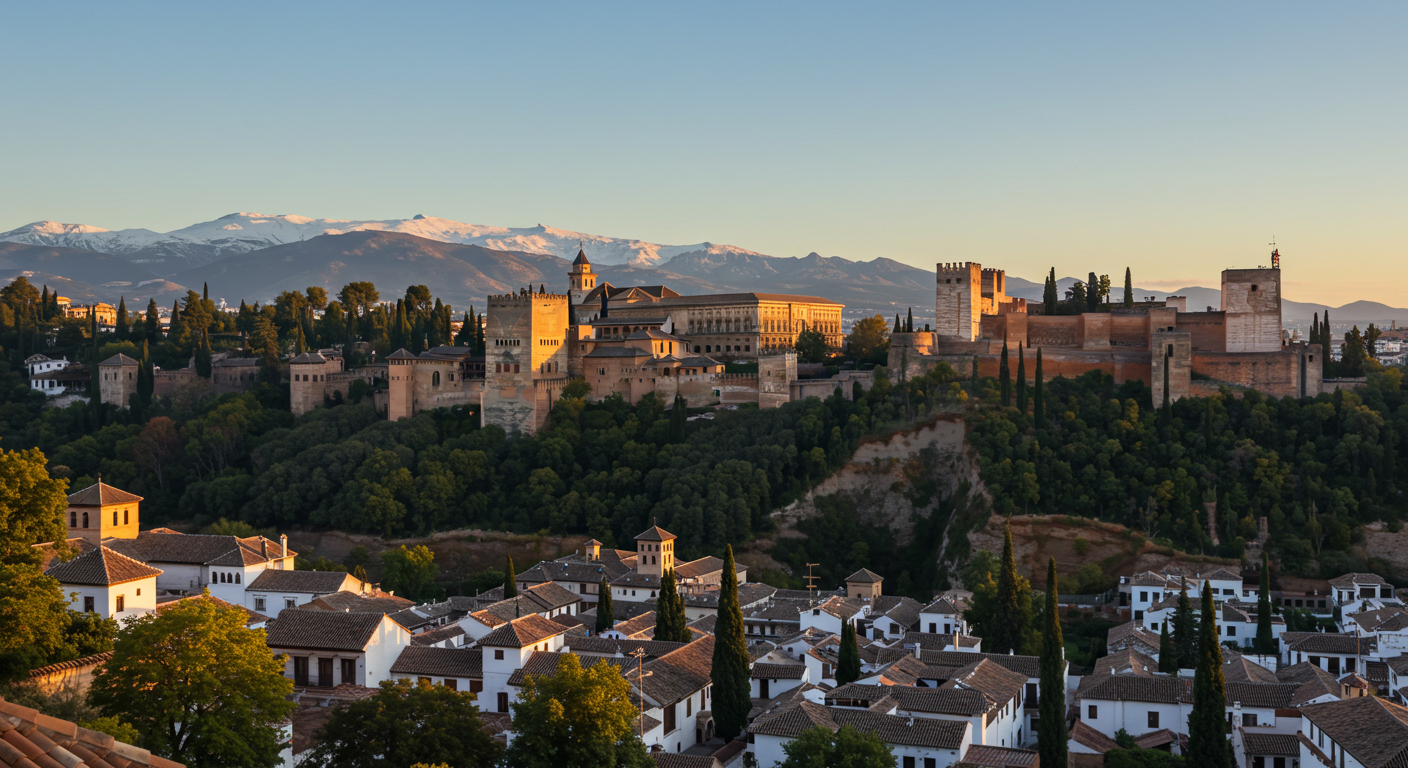
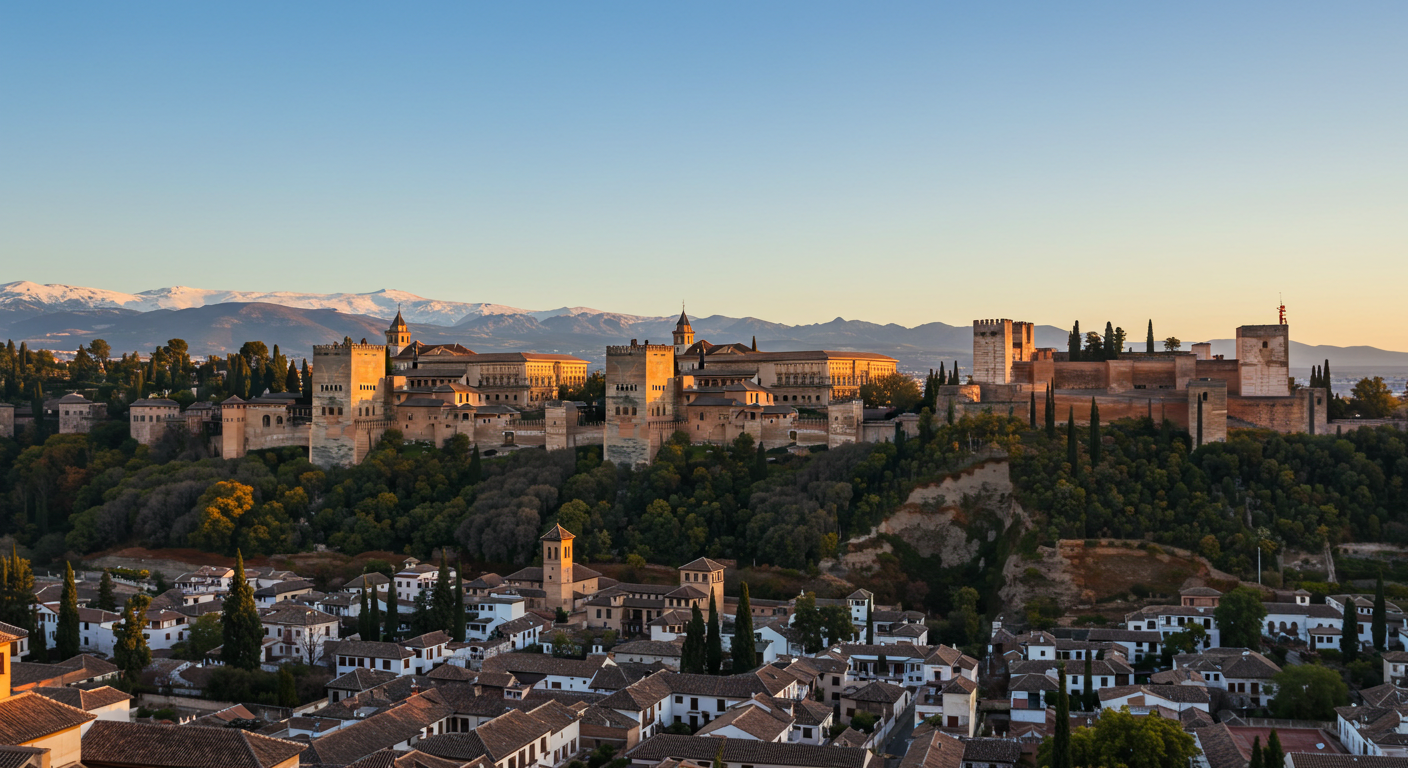
This is my personal favourite window, particularly October. Highs in Seville in October average around 24–26°C — warm enough for a light jacket in the evening, cool enough to walk comfortably for hours. The Alhambra in October morning light, with the Sierra Nevada just beginning to dust with snow on the higher peaks, is something worth timing your trip around. Crowds drop sharply after the first week of October. Hotel prices fall. You can get a table at a decent restaurant without a week's notice.
November is cooler still — highs around 17–19°C in Seville, slightly lower in Granada — and it does rain occasionally. But it's also genuinely atmospheric. Both cities have a melancholy beauty in autumn light that the summer crowds never see.
March and April
Spring is spectacular in Andalusia, full stop. April especially: orange blossom scents the streets of Seville so heavily it's almost overwhelming in the best possible way. Temperatures in April average around 20–22°C in Seville, 17–19°C in Granada, with warm sunny days and cool evenings.
The catch — and it's a real one — is Semana Santa and the Feria de Abril. Holy Week in Seville is one of the most extraordinary things I've witnessed anywhere in Europe: the processions, the paso floats, the saetas sung from balconies. But it also means Seville is absolutely rammed, hotels charge peak prices (sometimes three or four times the normal rate), and booking anything less than three months out is optimistic. If you want to experience Semana Santa, plan early and budget accordingly. If you want the spring weather without the crowds, aim for mid-March or the second half of April after the Feria ends.
Granada in spring is slightly more forgiving on crowds than Seville. It has its own Semana Santa — genuinely impressive — but the city doesn't fill to the same degree. You can usually book an Alhambra ticket two or three weeks ahead in March without panic. In July, you'd be fighting for a slot months in advance.
May
May is excellent and underrated. Warm, green, not yet hot. Seville in May averages around 25–27°C. It's shoulder season in terms of crowds and prices, and the cities are at their most liveable. My one caveat: the Corpus Christi festival falls in May or June and brings some crowds to Granada specifically, so check the dates for whatever year you're travelling.
What About September?
Early September is still very hot — essentially a continuation of August in terms of temperature, often 36–38°C in Seville. It's also still busy. The second half of September starts to turn: by late September you're looking at highs of 28–30°C, which is warm but genuinely manageable, especially as the evenings cool down. Personally, I'd say the last ten days of September through all of October is the single best window for first-time visitors to both cities.
The Alhambra Question
Everyone asks about the Alhambra, and it deserves a specific mention. Timed entry tickets are mandatory, and they sell out weeks or months ahead during peak season. In July and August, you're potentially looking at booking two to three months in advance for a decent slot. In October or November, two to three weeks is usually enough — sometimes less. Prices as of 2026 are around €19 for the general ticket including the Nasrid Palaces; check the official Patronato de la Alhambra website directly rather than resellers, who charge commissions for no benefit.
The other thing nobody mentions: the Alhambra in summer heat, even with morning tickets, involves a lot of walking on exposed gravel paths. The Generalife gardens are beautiful but offer limited shade. In July, even a 9am slot means you'll be walking back downhill in 35°C heat. In October, that same morning visit is genuinely one of the great travel experiences in Europe.
If you're thinking about spending more than a few days and want to properly absorb the city, have a read of A Slow Travel Guide to Granada: How to Actually Live the City — it covers the neighbourhoods, the rhythm, and the things that take longer than a weekend to appreciate.
Seville in Summer: Is There Any Upside?
Honestly? A few.
If you're heat-adapted — say, you live somewhere Mediterranean or subtropical already — the summer atmosphere in Seville has a particular intensity that some people love. The city comes alive after 9pm. Long dinners on terraces, cold fino sherry, the smell of jasmine, the sound of flamenco drifting from somewhere. There's a reason locals don't flee entirely.
The museums and interior spaces are well air-conditioned, and a Seville summer itinerary built around cool morning starts (6:30–11am), a long midday break in your hotel or a cool café, and evenings out from 7pm onwards is genuinely workable. It just requires discipline and a willingness to nap, which, to be fair, is how the Spanish approach it.
Also: if you're travelling on a tight budget, August prices outside Semana Santa are often lower than spring peak season. You can find good hotel rooms in Seville in August for €70–90 a night that would cost €130+ in April.
A Quick Month-by-Month Summary
Rather than a table, here's the honest version:
January–February: Cold by Andalusian standards (10–15°C highs), very quiet, cheap, some rain. Fine if you don't mind grey days and want the cities to yourself.
March: Warming up, beautiful light, manageable crowds. Watch Semana Santa dates.
April: Peak spring. Possibly the best month — but also the busiest and most expensive, especially around Semana Santa and Feria.
May: Underrated. Warm, lively, not yet crowded. Book ahead but not months ahead.
June: Starts pleasantly, ends very hot. First two weeks are good; after mid-June it's heading into serious heat.
July–August: Genuinely brutal. Go only if you know what you're doing, have good accommodation, and can structure your days around the heat.
September: First half still hot and busy. Second half much better. Late September is excellent.
October: My recommendation for first-timers. Lovely temperatures, thin crowds, full services.
November: Quieter still, slightly cooler, occasional rain. Atmospheric and cheap.
December: Christmas markets and lights in both cities are charming. Cool but rarely cold. Worth considering.
If You're Visiting in Summer Anyway
Some trips aren't flexible — you have school holidays, fixed flights, a specific reason to be there in July. In that case, a few practical notes:
Book a hotel with air conditioning and check that it actually works well (read recent reviews specifically mentioning this). Early check-in if possible, so you have somewhere to retreat to at noon. Get to the Alhambra at opening — the first slot is around 8:30am. Carry water constantly; the tap water in both cities is fine to drink. Wear a hat. Linen, not cotton. And don't fight the siesta — the Spanish invented it for a reason.
If you're after a beach escape alongside a city fix, the beaches at Málaga and the Costa del Sol are about 90 minutes from both cities by bus or train. Check out The Best Beaches in Spain for Summer 2026 for options within striking distance.
And if you're thinking about Andalusia as somewhere to actually live rather than visit — it's a very different calculation. The summers are hard, but the rest of the year is extraordinary, and the cost of living is lower than almost anywhere else in Spain. The slow travel guide to Granada is a good starting point for what long-term life there looks like.
The bottom line: September to November and March to May are when these cities reward you most. Summer is survivable, occasionally even magical, but it asks something of you. Go in knowing that, and you'll be fine. Go expecting the same easy wandering you'd do in, say, Lisbon in June, and you'll be in trouble by day two.
Frequently asked questions
- What is the hottest month in Seville?
- July is typically the hottest month in Seville, with average highs of 36–37°C and frequent spikes to 42°C or above. August is almost as hot. Both months are genuinely difficult for visitors who aren't acclimatised to extreme heat.
- Is Granada cooler than Seville in summer?
- Slightly. Granada sits at around 680 metres above sea level, which takes the edge off slightly compared to Seville. Average July highs in Granada are around 34–35°C versus Seville's 36–37°C. It's a meaningful difference in the evenings, but both cities are still very hot during the day.
- When is the best time to visit the Alhambra in Granada?
- October is ideal — comfortable temperatures, good light, and tickets are much easier to book (usually two to three weeks ahead rather than months). In July and August, you may need to book two to three months in advance. Always book directly through the official Patronato de la Alhambra website.
- Is April a good time to visit Seville?
- April is one of the most beautiful months in Seville — warm, fragrant with orange blossom, and full of energy. However, Semana Santa (Holy Week) and the Feria de Abril fall in March or April, meaning hotels charge peak prices and the city is very busy. Book at least two to three months ahead if you're going during these periods.
- Can you visit Seville and Granada in November?
- Yes, and it's underrated. Temperatures in November are mild (highs around 17–19°C in Seville, a bit lower in Granada), crowds are thin, and prices are low. There's occasional rain, but both cities have covered markets, museums, and tapas bars that make rainy days easy to handle.
- How do locals in Seville cope with the summer heat?
- They structure their day around it. Early mornings for errands and exercise, a long break from roughly noon to 5pm (often at home or in air-conditioned spaces), then back out in the evening from around 7–8pm onwards. Restaurants fill up at 9pm or later. Visitors who follow this rhythm cope much better than those who try to sightsee through the midday heat.
- What's the cheapest time to visit Seville?
- January, February, and August tend to have the lowest hotel prices. August is counterintuitive — many Spanish residents leave for the coast, so despite being peak tourist season internationally, prices can dip compared to spring festival periods. Just be prepared for the heat and some local businesses being closed.