Living in Spain Without Speaking Spanish: An Honest City-by-City Take
Can you live in Spain without speaking Spanish? An honest, city-by-city answer covering expat hotspots, bureaucracy, healthcare and the real daily limits.
Can You Live in Spain Without Speaking Spanish?
Short answer: yes, in certain places, for certain lifestyles. But the longer answer is more interesting — and more honest. You can absolutely get by without Spanish in Barcelona, coastal Málaga or the expat-heavy Canary Islands. You will struggle in Galicia, rural Castile or a Basque village. And everywhere, without exception, there is a ceiling you will hit — usually when bureaucracy, healthcare or a landlord dispute arrives at the door.
I've spent years living and working across Spain, and what I notice most is the gap between what people expect before they arrive and what they find. English fluency here is genuinely patchy in a way that surprises people from northern Europe. The big tourist cities are manageable. Much of the rest is not.
Barcelona: The Most Forgiving City, But Not for the Reasons You Think
Barcelona is often the first city people name when they say they want to move to Spain without learning the language. And they're not wrong, exactly. The city has a large international community, most hospitality workers speak some English, and plenty of coworking spaces, estate agents and even some gestors operate in English.
But here's the thing nobody mentions: Barcelona is a bilingual city, and the second language is Catalan, not English. Local bureaucracy — the Ajuntament, many housing offices, some GP surgeries — defaults to Catalan. You may go for a whole week in Gràcia or Poblenou without needing a word of Spanish. Then you need to sort your empadronament and the woman behind the desk speaks Catalan and broken Spanish and no English at all.
For daily life — shopping, cafés, restaurants, working remotely — Barcelona is probably the easiest city in Spain for a non-Spanish speaker. For anything official, you'll need help. That means a gestor, a bilingual friend, or eventually some Spanish. Honestly, relying permanently on English in Barcelona is a comfortable trap: easy enough that you never feel the urgency to learn, until suddenly you do.
Madrid: Bigger English Bubble Than You'd Expect, But Thinner Than You'd Hope
Madrid surprises people. It's a huge, cosmopolitan capital, and in Malasaña, Lavapiés or Chamberí you can find English-speaking doctors, English-language estate agents, international restaurants with menus in four languages. The expat and digital nomad community is significant enough that you can build a whole social life in English.
But step outside that bubble — try renting directly from a Spanish landlord, visit a local clinic, deal with the Hacienda, or argue with a utility company — and you will feel the limits sharply. Madrid's bureaucracy is entirely in Spanish. Customer service lines are in Spanish. The gestor you hire to handle your autónomo registration (Opening a Spanish Bank Account and Registering as Autónomo: A Complete Guide) will likely need to communicate key details to you in Spanish, even if they speak some English.
I'd put Madrid slightly below Barcelona for English-language ease, simply because the international community is less concentrated and the city has less of a tradition of catering to non-Spanish Europeans.
The Costa del Sol and Málaga: The English-Language Bubble at Its Most Extreme
Fuengirola, Torremolinos, Nerja, Marbella — these places have British expat communities so established that entire streets operate in English. There are English-language newspapers (still, somehow), English-speaking estate agents, British pubs, English GP practices, English-language legal firms. You genuinely could live in parts of the Costa del Sol for years without speaking a word of Spanish.
But I'd encourage you to think hard about whether that's the Spain you want. The English-bubble coastal towns can feel oddly detached from the country around them — a kind of parallel society that happens to have better weather. Málaga city itself is a different proposition: more Spanish, more interesting, and still very manageable for English speakers, though you'll need to make more effort.
If you want a real sense of Andalusia — the fiestas, the local markets, the neighbourhood bar where everyone knows everyone — you'll need at least basic Spanish. A Slow Travel Guide to Granada is worth reading if you want a sense of what a genuinely Spanish Andalusian city feels like from the inside, rather than from behind an English-language filter.
Valencia: Underrated for Expats, But Don't Ignore the Valencian Factor
Valencia is having a moment. It's cheaper than Barcelona and Madrid, the food is extraordinary, the beaches are good, and the city has a growing international community. English is more common here than it was five years ago, particularly in the tech and startup scene.
Like Barcelona, though, Valencia has its own regional language — Valencian — and official life can tip into it unexpectedly. Most Valencians will switch to Spanish (or even English) without drama, but some signage, some official letters and some local officials will default to Valencian. For bureaucratic purposes, Spanish is fine; Valencian is rarely a hard barrier. But it's worth knowing it exists.
Day-to-day English coverage in Valencia is reasonable in the centre and Ruzafa; thinner in working-class neighbourhoods and the outskirts.
The Canary Islands: Year-Round Expat Haven With Real Trade-Offs
Tenerife and Gran Canaria in particular have enormous permanent expat populations — British, German, Scandinavian. In Las Américas or Puerto Rico de Gran Canaria, English is almost the default language in shops and restaurants. The year-round mild climate means the expat population doesn't thin out in winter the way it does on the mainland coast.
Las Palmas de Gran Canaria is a genuinely interesting city with a substantial digital nomad scene, and English coverage there is decent without being overwhelming. You'd be fine, but you'd also feel the pull to learn Spanish more than you would in a coastal resort.
For the administrative side of things — NIE, TIE, residency — the Canaries follow the same Spanish national system as everywhere else. The queues can be brutal. NIE Appointment Wait Times in Spain 2026 gives a realistic picture of what to expect.
The Basque Country: Don't Even Try Without Spanish
I say this with affection, because I love the Basque Country. But if you are planning to live in Bilbao, Donostia or Vitoria without speaking Spanish, you are making life harder than it needs to be. Basque (Euskara) is everywhere — on signs, in schools, in official communication — but Spanish is the working language of daily life and bureaucracy. English, outside the tourism industry and some university circles, is limited.
The food scene in San Sebastián is world-class and some of the best pintxos bars will have staff who speak some English (Eating San Sebastián: The Honest Guide to Pintxos, Fine Dining and Everything in Between), but that's tourism hospitality, not daily life. Living here without Spanish would be isolating.
Galicia and Rural Spain: Be Realistic
Galicia is one of the most beautiful parts of Spain and almost entirely off the English-language map. Santiago de Compostela has some tourism infrastructure, but A Coruña, Vigo and anywhere rural? You'll need Spanish, and often Galego too. Rural Castile, Extremadura, inland Aragon — these are places where English is genuinely rare, where older residents may have never had a sustained conversation with a non-Spanish speaker.
If you want to live in rural Spain — and it's a genuinely wonderful way to live — you need to commit to learning the language. There's no workaround.
The Bureaucracy Problem: Where English Always Runs Out
Here is the universal truth, regardless of city: Spanish bureaucracy is in Spanish, full stop. Your NIE and TIE application (Getting Your NIE and TIE in Spain: A Step-by-Step Guide for New Residents), your empadronamiento, your tax returns, your social security registration, your healthcare enrolment — all of it is in Spanish. Official letters arrive in Spanish. Forms are in Spanish. The person behind the desk at the foreigners' office (extranjería) speaks Spanish.
This doesn't mean you personally need to speak Spanish — it means you need either to learn enough to navigate these processes, or to pay someone who can. A good gestor is worth every euro for this reason. If you're registering as autónomo, Do You Need a Gestor to Register as Autónomo in Spain? is a useful starting point.
If you're moving with a family, the school system also operates entirely in Spanish (and in regional languages where applicable). Moving to Spain with Family and Pets covers the school logistics honestly.
Healthcare: The Soft Limit
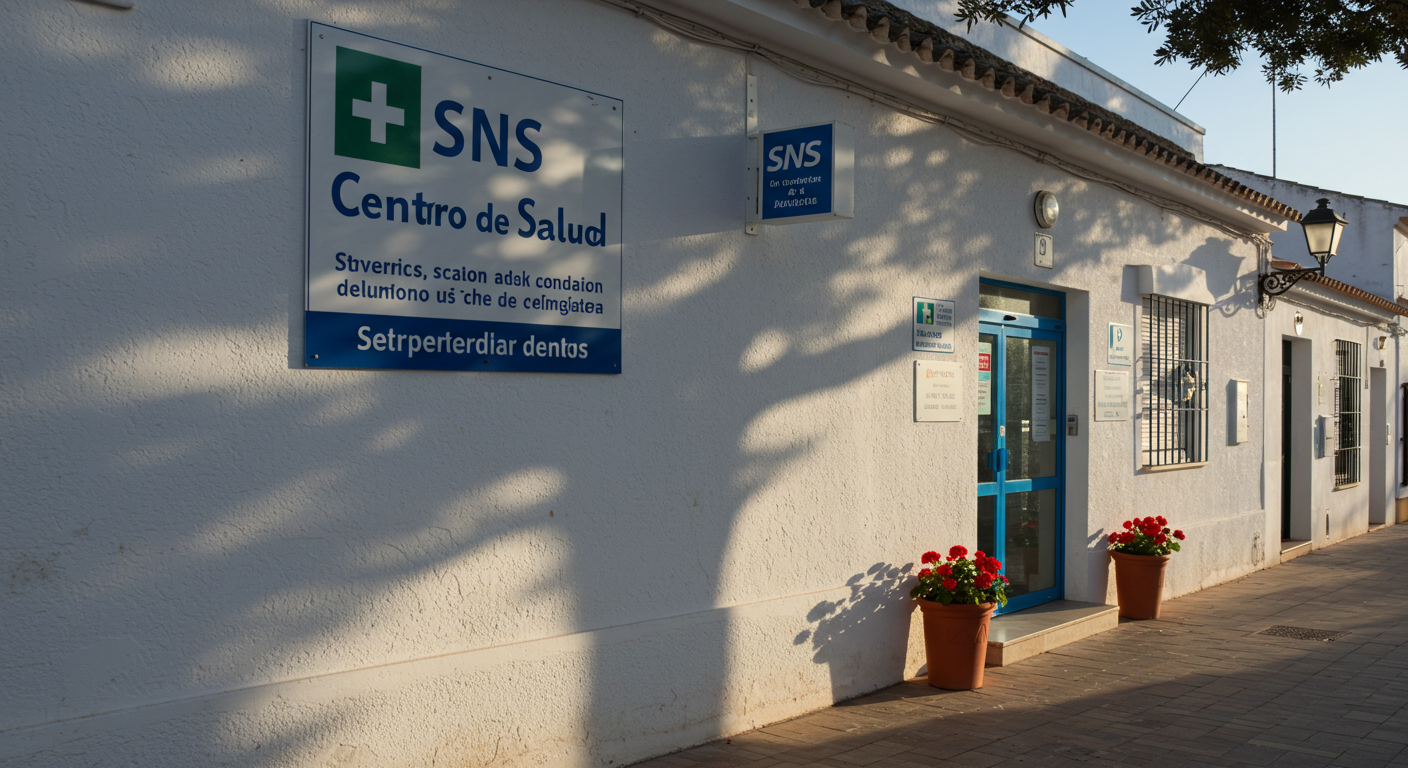
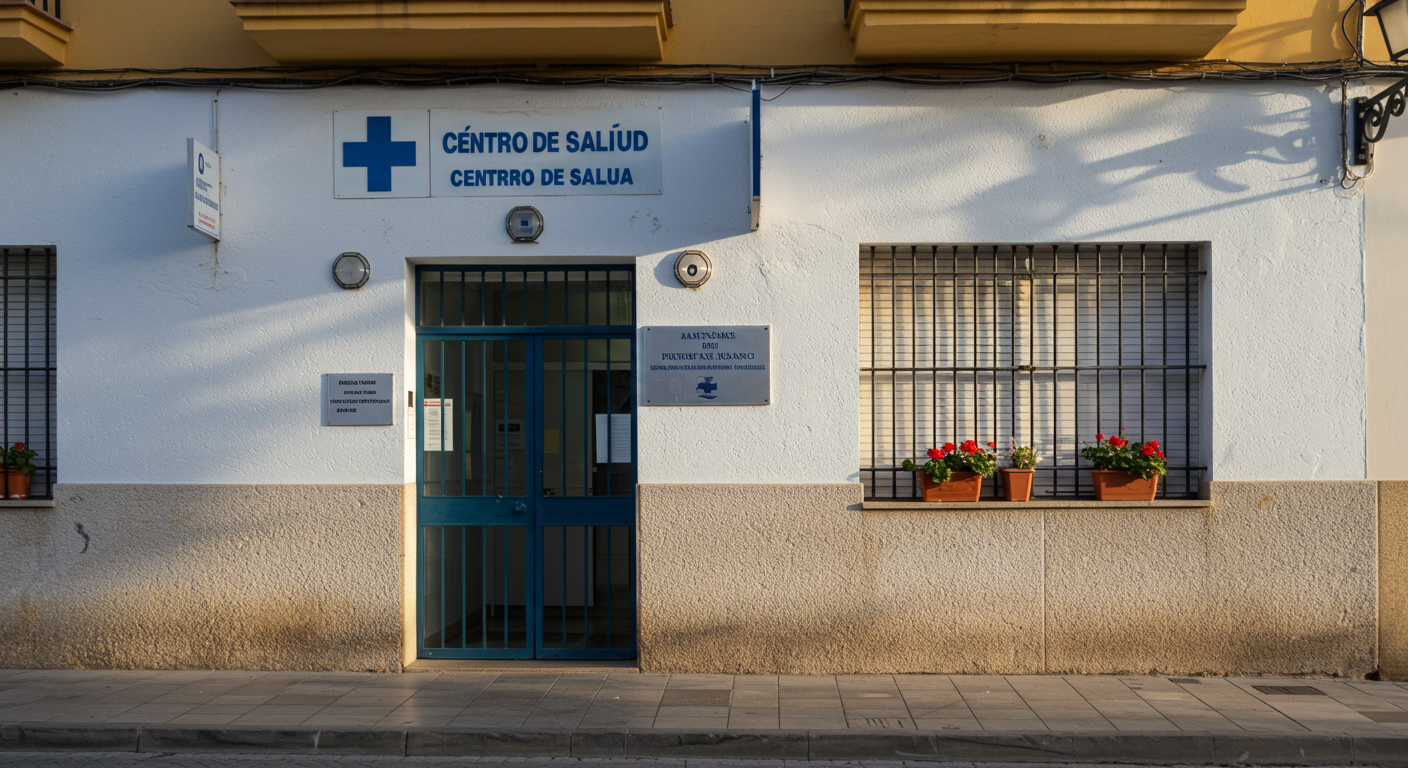
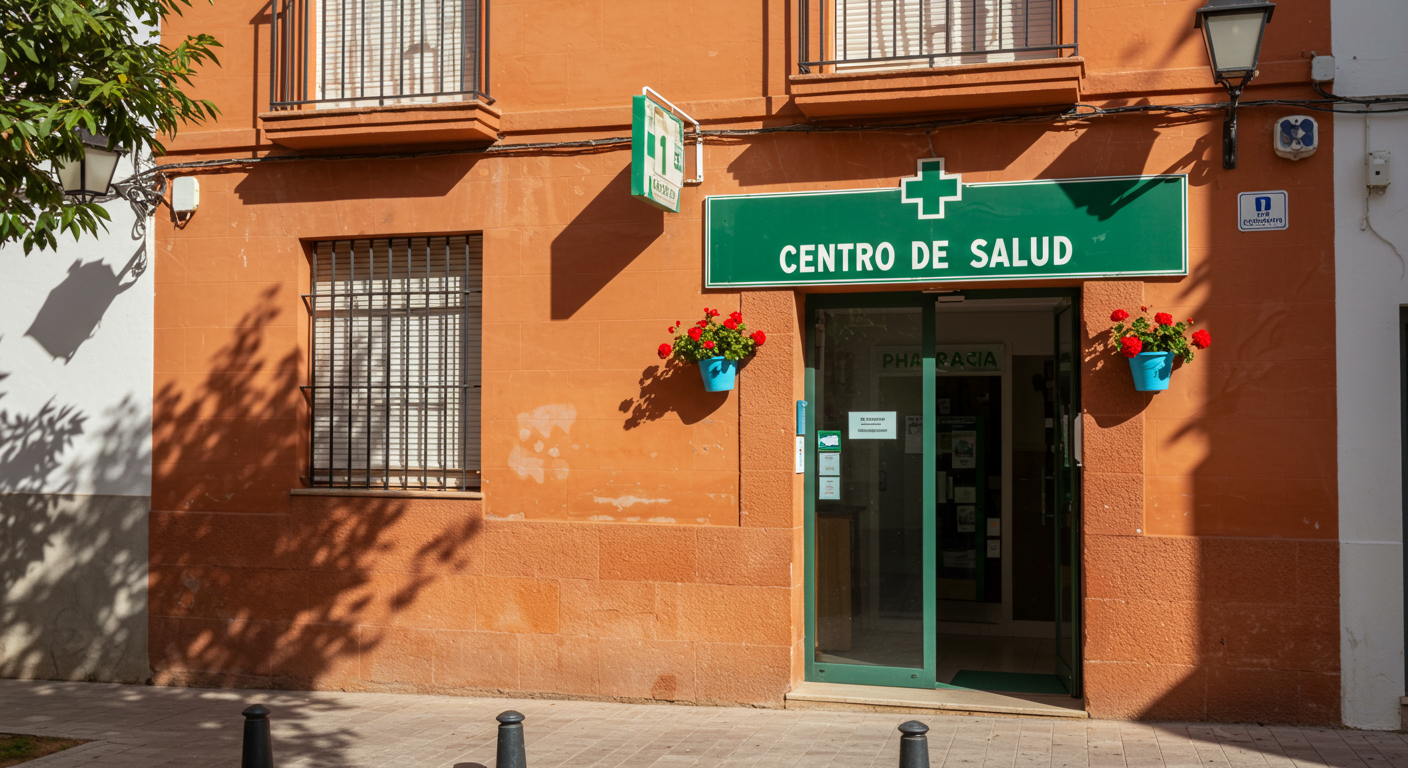
Public healthcare in Spain is in Spanish. Your GP, the nurse at your local centro de salud, the specialist at the hospital — most will speak limited or no English. In larger cities you can sometimes request an English-speaking doctor; in practice, this is hit and miss. Private healthcare is somewhat better, particularly in expat-heavy areas, where international health insurers maintain English-speaking networks.
This is the one area where I'd push back hardest against the "you don't need Spanish" camp. When you're ill, anxious or in pain, communicating through a phone translation app is genuinely inadequate. Even a basic medical vocabulary in Spanish — symptoms, body parts, medication names — makes a real difference.
The Honest Bottom Line
Can you live in Spain without speaking Spanish? In Barcelona, coastal Málaga, the Canary Islands or Valencia, yes — practically speaking, for most of daily life. In Madrid, with the right professional support network, yes. In the Basque Country, Galicia, rural Spain or any genuinely local neighbourhood away from the tourist and expat infrastructure, no — not comfortably, and not sustainably.
But the better question is: why would you want to? Spain rewards the effort. Even a few months of consistent study opens up a completely different country — the conversations, the humour, the sense that you actually live here rather than camping out in an English-language enclave. The people who tell me they love living in Spain most are, almost without exception, the ones who made the effort with the language.
Start before you arrive. Keep going after you do. The ceiling lifts faster than you think.
Frequently asked questions
- Can you live in Spain without speaking Spanish if you work remotely?
- Yes, if you work entirely in English online, your professional life is unaffected. The gaps show up in daily admin, bureaucracy and healthcare — all of which are conducted in Spanish. A gestor can handle most official paperwork, but you'll still benefit from basic Spanish for everyday interactions outside tourist and expat areas.
- Which Spanish city is easiest for English speakers to live in?
- Barcelona and the coastal towns of the Costa del Sol (Marbella, Nerja, Fuengirola) are the most practical for English speakers. Barcelona has the largest international professional community; the Costa del Sol has the most established British expat infrastructure. Both have real trade-offs, though — Barcelona's bureaucracy can tip into Catalan, and the Costa del Sol's English bubble can feel disconnected from Spain itself.
- Do Spanish doctors speak English?
- Some do, particularly in private clinics in major cities and expat-heavy coastal areas. Public GP surgeries and hospitals generally operate in Spanish, with English coverage varying widely by location. In rural areas, English-speaking medical staff are rare. For anything beyond a very minor issue, some Spanish medical vocabulary — or a bilingual companion — is genuinely useful.
- Can you get your NIE and residency paperwork done without speaking Spanish?
- Yes, but you'll need help. The official process is conducted entirely in Spanish. Most people in this situation hire a gestor (a Spanish administrative agent) who handles the paperwork on their behalf. Some gestors operate in English, particularly in Madrid, Barcelona and expat-heavy areas. Budget roughly €150–€400 for a gestor to manage your initial residency registration, as of 2026.
- Is it rude to live in Spain without learning Spanish?
- Spaniards are generally too polite to say so directly, but making no effort is noticed — and not positively. In regional areas with their own languages (Catalonia, the Basque Country, Galicia, Valencia), locals sometimes find it particularly galling when foreigners don't attempt the national language while also ignoring the regional one. Making even a basic effort is consistently and warmly appreciated.
- Can you rent a flat in Spain without speaking Spanish?
- In major cities and expat areas, yes — many estate agents and some landlords operate in English, and rental platforms like Idealista and Fotocasa work fine in English. The rental contract itself will be in Spanish, so have a bilingual friend or gestor review it before you sign. Direct rentals from Spanish landlords without any Spanish — or professional help — are risky.
- How long does it take to learn enough Spanish to get by in daily life?
- With consistent study — an hour a day, plus real-world practice — most people reach a functional conversational level in three to six months. Apps like Duolingo are a start, but they won't get you to the level you actually need. A weekly class or language exchange partner in Spain accelerates things considerably. Aim for B1 as a medium-term goal; even A2 makes a noticeable difference to daily life.