Day Trip Madrid to Toledo by Train: Times, Tickets & What to See
Everything you need for a day trip from Madrid to Toledo by train: exact times, how to buy tickets, what to see, and what to skip. Updated 2026.

The train from Madrid to Toledo takes 33 minutes. That single fact makes the whole trip almost absurdly easy — you can be standing in front of a 16th-century cathedral by mid-morning having had breakfast in Lavapiés. For a day trip from Madrid to Toledo by train, you need almost no planning. But a little helps, because Toledo itself rewards people who know where to look and punishes those who don't.
Here's the quick version: Renfe runs high-speed Avant trains from Madrid Puerta de Atocha to Toledo station roughly every hour or so, fares start around €13–€15 each way (as of 2026), and you should book at least a day ahead in peak season. The cathedral, the Alcázar, the old Jewish quarter, and lunch somewhere that isn't the main square — that's your day. Everything else is optional.
Getting the Train from Madrid to Toledo: The Basics
The service runs from Madrid Puerta de Atocha (the big station near the Reina Sofía museum) direct to Toledo. No changes, no faff. The trains are Renfe's Avant service — not quite the full AVE but fast enough that you'll barely have time to finish a coffee.
First departures from Atocha are usually around 06:55, and the last trains back from Toledo to Madrid run into the evening, often around 21:30 or later. In practice, if you catch a train at 08:30 or 09:00 from Madrid, you'll be in Toledo well before 10:00, giving you a solid six or seven hours before you need to think about heading back. That's plenty.
Buy tickets on the Renfe website or the Renfe app. You can also buy at the Atocha ticket machines, but in July and August the queues are real and the machines have a talent for timing out. Book online. Prices vary slightly depending on how far ahead you book — €13 is a realistic off-peak fare, but don't be surprised to see €16–€18 in summer. There's no massive saving in buying a return at once versus two singles, so just buy both when you know your rough timings.
One practical note: Toledo station sits at the bottom of a hill, outside the old city walls. You'll either need to catch a local bus (the No. 5 goes up to Plaza de Zocodover, the main square) or take a taxi — about €5–€7. There's also a series of escalators built into the hillside that connect the lower town to the old quarter, which sounds more dramatic than it is but does save your legs on a hot day.
What to Actually See in Toledo
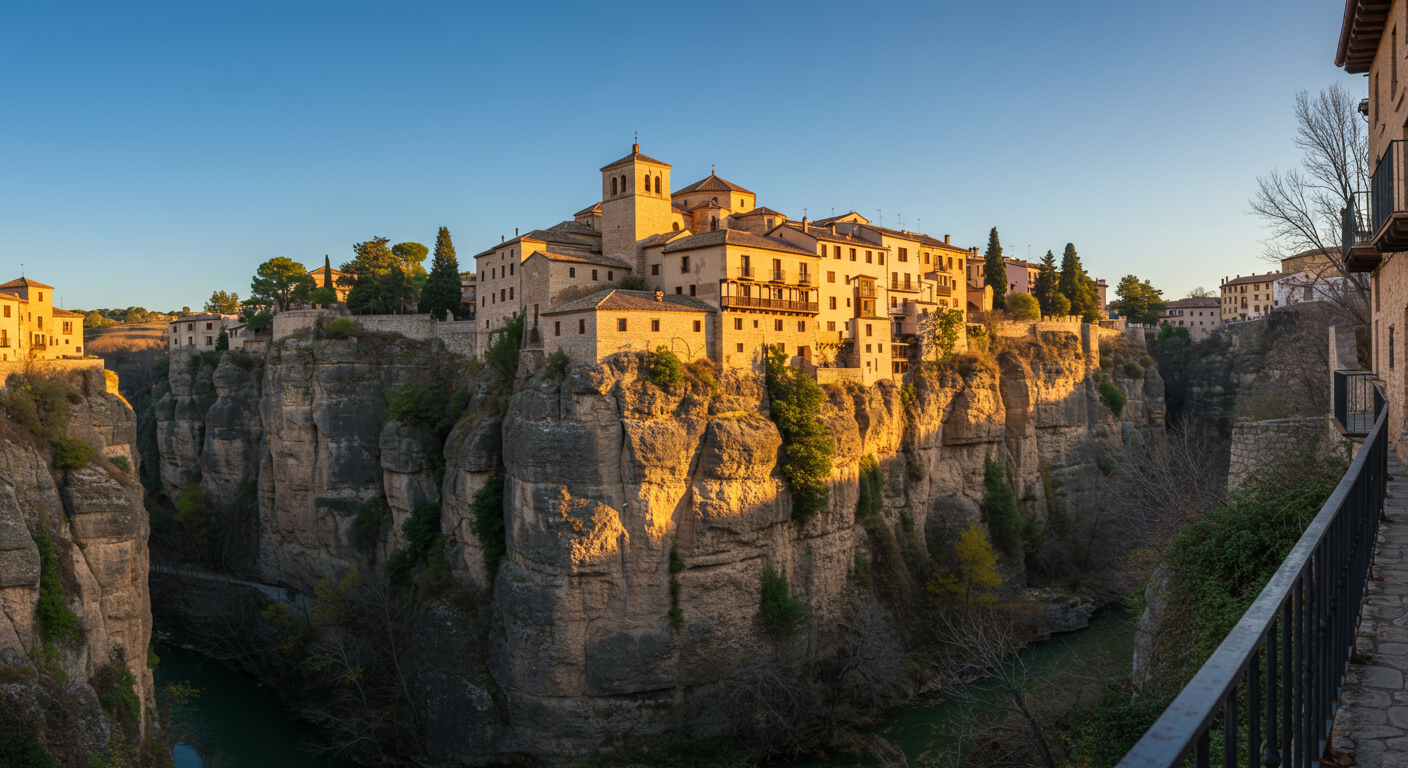
Toledo gets described as a city where three religions coexisted — Christian, Jewish, and Moorish — and that's true, but what it actually means on the ground is that the streets are dense with medieval architecture and the whole old city is a UNESCO World Heritage Site. It's genuinely extraordinary. It's also genuinely overrun with tourists, especially in summer, so the question isn't really "what's worth seeing" but "what's worth seeing first, before the tour groups arrive."
The Cathedral
Get here early. Toledo's cathedral — the Catedral Primada de España — is one of the great Gothic buildings in the country, and it's big enough that even on a crowded day you can find a corner of it that feels calm. The sacristy alone, with its El Greco paintings, is worth the entry fee. Tickets cost around €10–€12 for adults as of 2026, and the price tends to creep up, so check the official site before you go. It opens at 10:00 most days.
If you're already a fan of El Greco, Toledo is basically his city. The Museo del Greco (a short walk from the cathedral, down in the old Jewish quarter) holds a significant collection, including his famous Vista y plano de Toledo. Entry is free for EU citizens; around €3 for others, though verify this — museum pricing in Spain shifts around.
The Alcázar
The big fortress on the hill. Visually, it dominates the city skyline and the views from the surrounding walls are excellent. Inside it's now the Castilla-La Mancha Army Museum, which is either your thing or it isn't. If military history interests you, it's genuinely detailed. If not, the exterior and the panoramic views around it are worth the walk up regardless. Entry hovers around €5.
The Jewish Quarter and Synagogues
This is the part of Toledo most people rush through too quickly. The Sinagoga del Tránsito is the one to prioritise — a 14th-century synagogue with extraordinary Mudéjar plasterwork that now houses the Sephardic Museum. The nearby Sinagoga de Santa María la Blanca is older and stranger: it was converted to a church in the 15th century but kept its Moorish horseshoe arches, so it looks like a mosque inside a synagogue inside a church. Disorienting in the best way.
What to Skip
The main square, Plaza de Zocodover, is fine for orientation but the restaurants around it are tourist traps. Overpriced, mediocre, and they know you're not coming back. Walk five minutes in any direction and you'll find somewhere better.
The "sword shops" that line the approach to the old city are a Toledo cliché — the city has made decorative blades for centuries, and yes, some of the craft is real, but most of what's sold to day-trippers is mass-produced. If you want genuine Toledan damascene work (the gold-inlay metalwork), look for shops that are actually inside the old quarter rather than the ones clustered near the tourist escalators.
Where to Eat in Toledo
Lunch is the meal to plan around. Toledo's signature dish is carcamusas — a pork and vegetable stew that sounds humble and tastes like something a monastery would serve you on a cold day, which is essentially what it is. You'll also find perdiz estofada (braised partridge) on most serious menus. These are cold-weather dishes by nature, but they serve them year-round.
For a sit-down lunch, the area around Calle Nuncio Viejo and the streets east of the cathedral have several straightforward restaurants that cater to locals as much as visitors. The menú del día — a set lunch with starter, main, dessert, and wine — runs €12–€16 in most places. That's the move. Don't order à la carte in a city you're only visiting for six hours.
Marzipan is Toledo's other thing. The city's convents have been making it for centuries and it's genuinely different from the marzipan you get elsewhere — denser, less sweet, often shaped into fruit or animals. Santo Tomé is the famous brand and they have a shop on Calle Santo Tomé. Worth a small purchase.
Timing Your Day
A rough structure that works well: catch the 08:30 or 09:00 train from Atocha, arrive by 09:30, take the bus or taxi up to the old city, and be at the cathedral by 10:00 when it opens. Spend the morning on the cathedral and the Jewish quarter. Lunch around 14:00 (Spain time — don't try to eat at noon, half the kitchens aren't ready). Afternoon for the Alcázar and a wander through the streets, then a drink somewhere with a view of the city before heading back. A 19:00 or 20:00 train gets you back in Madrid for dinner.
In July and August, the heat in Toledo is serious. The old city sits on a rocky promontory with very little shade in the open areas, and the stone retains heat all afternoon. An early start isn't just good for crowds — it's physically more comfortable. Bring water.
Toledo vs. a Weekend Trip
Honestly, for most people, a day is enough. Toledo is compact and the main sights cluster within walking distance of each other. That said, if you want to see the city at dusk when the tour groups have gone and the light on the Tagus river turns gold, staying overnight makes sense. The day-trip crowd empties out by late afternoon and the city becomes a different place. But you don't need to stay, and if you're based in Madrid for a short time, the train makes the calculus easy.
For context on how easy Spain's train network makes this kind of trip: the same logic applies elsewhere. Best Beaches Near Barcelona by Train (No Car Needed) shows how far you can get without a car in Catalonia too.
If you're planning more of your time in Spain around trains and regional day trips, it's worth knowing the transport picture broadly — things like How Long Can You Drive in Spain on a Foreign Licence? matter if you're considering renting a car for anywhere less well-connected than Toledo.
And if this day trip is part of a longer stay or a relocation to Madrid, you'll have bigger questions to work through — Living in Spain Without Speaking Spanish: An Honest City-by-City Take is a useful reality check before you commit.
Buying Tickets: Step by Step
For anyone who hasn't used Renfe before, the website can feel clunky. Here's the simplest path:
- Go to renfe.com and select "Compra de billetes" (ticket purchase).
- Enter Madrid (Atocha) as origin and Toledo as destination.
- Choose your travel date and roughly when you want to travel.
- Select the Avant service (it's the only direct option).
- Pay by card — Visa and Mastercard work fine, though some international cards occasionally throw up errors; have a backup.
- You'll receive a PDF or QR code. Screenshot it — Toledo station has patchy Wi-Fi and you don't want to be fumbling with a slow connection at the barrier.
Renfe also sells a "Cercanías" (commuter rail) pass if you're doing multiple trips around Madrid, but it doesn't cover the Toledo Avant service, so don't assume it applies.
Toledo is one of those places that Spain does better than almost anywhere — genuinely medieval, genuinely walkable, and genuinely accessible. Thirty-three minutes on a train and you're somewhere that feels like a different century. Go early, eat the stew, buy a small piece of marzipan, and be back in Madrid in time for dinner.
Frequently asked questions
- How long is the train journey from Madrid to Toledo?
- The Renfe Avant service from Madrid Puerta de Atocha to Toledo takes approximately 33 minutes. It's a direct service with no changes required.
- How much does the Madrid to Toledo train ticket cost?
- As of 2026, fares start at around €13–€15 each way, though prices can rise to €16–€18 in peak summer months. Book in advance on the Renfe website or app for the best availability.
- How often do trains run from Madrid to Toledo?
- Roughly every hour throughout the day, with first departures from Atocha around 06:55 and last trains back from Toledo in the late evening. Check the Renfe timetable for exact times on your travel date, as schedules can vary.
- Is one day enough for Toledo from Madrid?
- Yes, for most visitors a full day is sufficient. The main sights — the cathedral, the Jewish quarter, the Alcázar — are all within walking distance of each other and can be covered comfortably in six to seven hours. If you want to experience the city after the day-trippers leave, an overnight stay is worthwhile but not essential.
- How do I get from Toledo train station to the old city?
- Toledo station is at the foot of the hill, outside the old city walls. Take local bus No. 5 to Plaza de Zocodover (the main square), or a taxi for around €5–€7. There are also public escalators built into the hillside that connect the lower town to the old quarter.
- What is the best time of year to do the Madrid to Toledo day trip?
- Spring (April–May) and autumn (September–October) are the most comfortable. Summer works but July and August are extremely hot in Toledo — the stone city retains heat all afternoon — and the crowds are at their worst. Going early in the morning helps significantly whatever the season.
- Do I need to book the Madrid to Toledo train in advance?
- In low season you can often buy tickets on the day at the station machines or online. In July, August, and around public holidays, trains can fill up — especially the popular mid-morning departures — so booking a day or two ahead online is sensible.