Michelin Tasting Menus in Spain Under €150: Worth the Splurge?
Michelin-starred tasting menus in Spain under €150 per person — which restaurants are genuinely worth it, which cities offer the best value, and how to book.
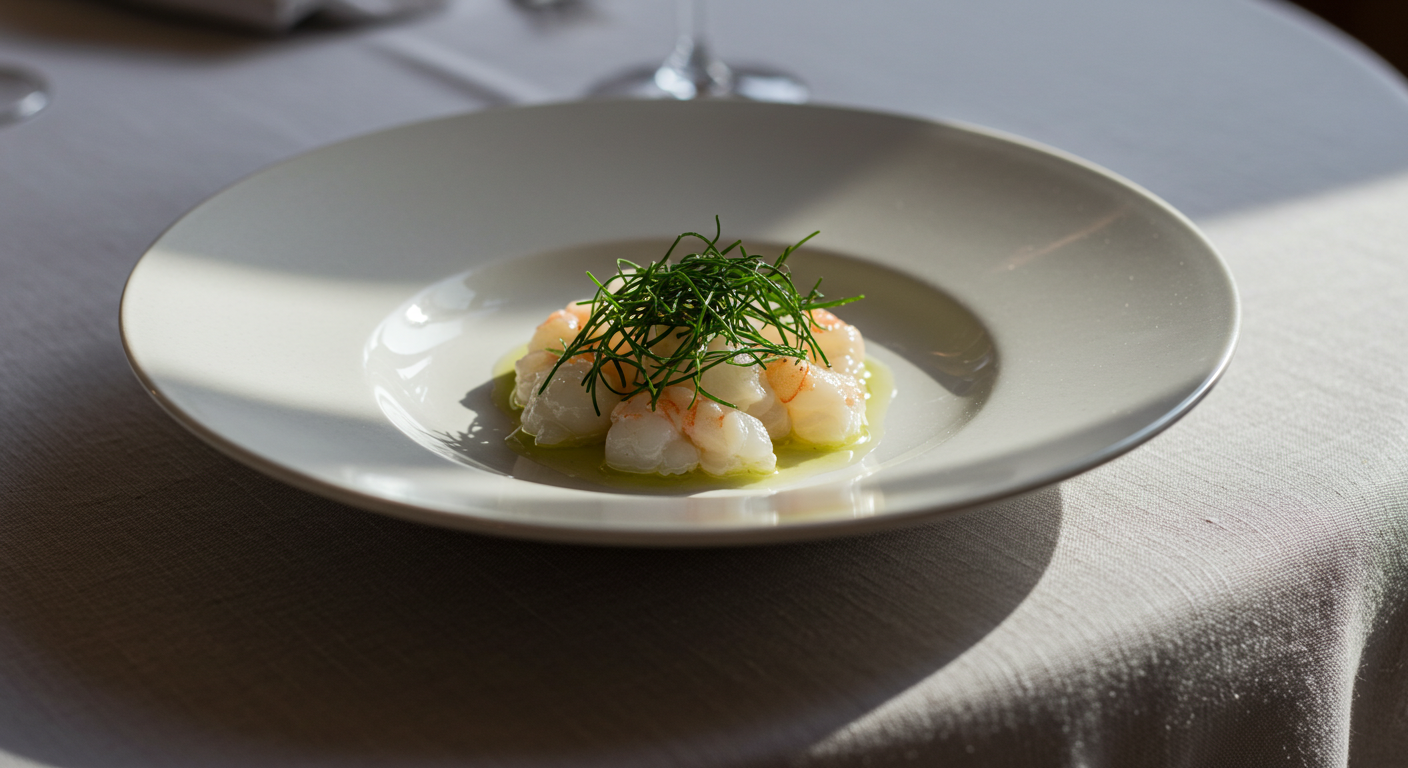
Spain has more Michelin stars per capita than almost anywhere else in Europe, and yet eating at a starred restaurant here doesn't have to mean remortgaging. A one-star tasting menu in the Basque Country or Valencia can come in at €80–€120 per person — sometimes less at lunch — while the equivalent in London or Paris would cost twice that before you'd touched the bread basket. So yes, Michelin tasting menus in Spain under €150 per person are genuinely achievable, and several of them are among the best meals you will eat in your life.
The short answer: aim for one-star restaurants at lunch, look outside Madrid and Barcelona, and book directly. You can eat exceptionally well — multiple courses, wine pairings included at some places — for €90–€140 per head. The following should help you decide where to spend it.
Why Spain Overdelivers on Starred Dining Value
The economics work in your favour here. Labour costs are lower than in northern Europe. Produce is exceptional and local — Galician seafood, Basque beef, Catalan vegetables — so restaurants aren't importing at enormous cost. And culturally, lunch is still the main meal of the day. That means many starred restaurants offer a menú del día or a shorter tasting menu at midday for significantly less than their dinner equivalent.
At Mugaritz, one of the world's most discussed restaurants (two stars, just outside San Sebastián), the full experience runs €250+. But that's the outlier. Most one-star places in Spain are pricing between €65 and €150 for a full tasting menu, and the quality gap between one and two stars is often smaller than the price gap suggests.
There's also a geographic spread that rewards the curious traveller. The obvious names — Arzak, Disfrutar, DiverXO — are famous and expensive. But there are one-star restaurants in Bilbao side streets, in the Rías Baixas, in Valencia's Ruzafa neighbourhood, and in Seville's Triana, where the room holds twenty covers and the chef is someone you'll be telling people about in five years.
The Basque Country: Still the Best Value for Starred Dining
San Sebastián (Donostia) is the most Michelin-dense city in the world relative to its population, and it's also where the culture of serious eating is most democratised. You can spend €4 on a pintxo at a bar in the Parte Vieja and then €120 on a twelve-course tasting menu two streets away, and both feel completely natural.
For the sub-€150 bracket, Kokotxa (one star, Calle del Campanario) regularly comes in around €110–€130 for a full tasting menu and has a quiet precision that the more famous names sometimes lose in the performance of it all. Mirador de Ulía sits above the city with views over the Bay of Biscay; prices hover around €120 and the seafood — kokotxas, percebes, spider crab — is extraordinary.
Bilbao is cheaper than San Sebastián and often overlooked for food. Mina (one star, Muelle Marzana) does a tasting menu at around €95–€115 depending on the season. It's a small room on the riverbank, serious cooking, no theatre. Highly recommended.
One honest caveat: wine pairings in the Basque Country add €40–€70 per person. Budget for it or ask for a half-pairing — most restaurants will accommodate.
Catalonia Beyond Barcelona
Barcelona has excellent starred restaurants but the city's prices have crept up sharply since 2022. For the sub-€150 target, you'll find better value by looking at the Catalan hinterland.
Les Cols in Olot (two stars) is the exception that proves the rule — it's around €130–€150 for the full menu and worth every euro. The restaurant uses ingredients almost entirely from the volcanic zone of La Garrotxa: buckwheat, river crayfish, volcanic spring water. It's one of the most singular dining experiences in Spain and genuinely underknown internationally.
In Barcelona itself, Via Veneto (one star, Carrer de Ganduxer in the upper part of the city, away from the tourist belt) does a lunch tasting menu that's been known to come in around €90–€110. It's a classic room — white tablecloths, old-school service — and the food is much better than its slightly conservative image suggests.
Skip the starred restaurants near La Barceloneta and the Gothic Quarter as a general rule. The rents those places are paying mean you're subsidising location, not cooking.
Madrid: Harder, But Possible
Madrid's starred scene skews expensive. DiverXO (three stars) is €365 per person. Coque runs €195+. But there are exceptions.
Clos Madrid (one star) has been doing a lunch tasting menu in the €80–€100 range, which for the quality and the neighbourhood (Salamanca) is remarkable. Yugo The Bunker (one star) is a Japanese-Spanish fusion restaurant built into an old civil war bunker under Calle San Blas — around €120 for the tasting menu and one of the more memorable rooms in the city.
Smoked Room, which operates inside the Gran Meliá Palacio de los Duques hotel, has two stars and a menu that sits just at the €150 mark for the shorter version. It's a counter experience — twelve seats, all facing the kitchen — and the focus is smoke and fire in a way that feels genuinely Spanish rather than borrowed from Scandinavia.
Valencia and the South: The Underrated Tier
Valencia punches well above its weight for food and the Michelin prices reflect a city that hasn't fully woken up to its own appeal yet. Ricard Camarena (two stars, in the Bombas Gens arts centre) does a lunch menu at around €95–€115. For two stars, in a beautiful space, that's exceptional value.
El Poblet (two stars, also Camarena's group) sits in the city centre and comes in slightly higher — around €130–€150 — but still achievable.
In Seville, Sobretablas (one star) is a small, warm room in the centre with a tasting menu around €85–€100. The cooking is rooted in Andalusian tradition but with a lightness that avoids the heavy-handed interpretation you sometimes get further north. Book well in advance — it fills quickly.
The Lunch Strategy: How to Halve the Price
This is the single most effective tactic. Many Michelin-starred restaurants in Spain offer a shorter tasting menu at lunch — sometimes called the menú de mediodía or menú ejecutivo — that runs four to six courses instead of eight to twelve. The price difference can be dramatic: a restaurant charging €180 for dinner might offer a lunch menu at €75.
Not every starred restaurant does this, and it's worth checking the current menu before booking. Policies change. Some restaurants only do the full tasting menu at both meals; others restrict the shorter menu to Tuesday–Friday lunches. Ring or email to ask — Spanish restaurant teams are generally very good at responding.
Also worth knowing: some restaurants offer a maridaje (wine pairing) at lunch for a reduced price, or allow you to order a half-bottle or a glass-by-glass selection instead. Ask. The worst they can say is no.
How to Book (and When)
For most one-star restaurants in Spain, booking two to four weeks ahead is usually sufficient, except in San Sebastián in summer and around Semana Santa, when you should book two to three months out.
For two-star places — especially Ricard Camarena in Valencia or Coque in Madrid — six to eight weeks is safer. Book directly through the restaurant's website or by phone. Third-party platforms sometimes hold back tables or add fees.
If you're relocating to Spain and planning to make this kind of dining a regular habit, it's worth having a Spanish bank account set up — many restaurants take card deposits at booking and some require a Spanish card or at least a European one. If you're still setting up your finances, opening a Spanish bank account as a non-resident is more straightforward than it used to be.
For those moving to the Basque Country specifically, getting your paperwork in order will make life easier — and knowing how long the NIE appointment wait really is in your province is worth checking before you assume you can get it done quickly.
A Note on Tipping
Spain doesn't have a tipping culture the way the UK or US does. At a Michelin-starred restaurant, rounding up or leaving €10–€20 on a tasting menu is appreciated but genuinely not expected. The service charge is included in every menu price. Don't feel obligated, but do feel free if the meal was exceptional.
What You Actually Get for €100–€150
At a well-run one-star restaurant in Spain at this price point, you're typically looking at eight to twelve courses, amuse-bouches and petit fours included, a room that's been thought about, and cooking that reflects a genuine point of view. It's not the same as paying €300 for the theatre of a three-star kitchen. But it's often more pleasurable — quieter, less performative, more focused on the food.
The starred restaurants that stick with me years later aren't always the famous ones. It's the small room in Bilbao where the chef came out to explain where the vegetables were from. The lunch in Olot where every ingredient came from within fifteen kilometres. The counter in Madrid where you watched the cooking and the smoke and ate better than you'd planned to.
Spain rewards the curious eater who's willing to look slightly off the obvious path. The Michelin guide is a useful starting point, but the real value is in the one-stars outside the capital cities, at lunch, booked two months before you thought you'd need to.
If you're still figuring out the logistics of actually living here while eating your way around — whether that's sorting your digital nomad visa finances or getting healthcare cover before your TIE arrives — the practical side of Spanish life moves at its own pace. But the food, mercifully, does not wait.
Frequently asked questions
- What is the cheapest Michelin-starred tasting menu in Spain?
- Several one-star restaurants in Spain offer tasting menus at lunch for €65–€90 per person, particularly outside Madrid and Barcelona. Cities like Bilbao, Valencia and Seville tend to offer the best value. Mina in Bilbao and Sobretablas in Seville have both been known to come in under €100 at lunch as of 2026, though prices should always be confirmed directly with the restaurant before booking.
- Is it worth paying for a wine pairing at a Michelin restaurant in Spain?
- It depends on your budget and how much you drink. Wine pairings typically add €40–€70 per person at one-star restaurants and more at two-star places. A useful compromise is to ask for a half-pairing (covering the main courses only) or to order a half-bottle of something the sommelier recommends. Most Spanish restaurants are flexible if you ask.
- Do Michelin-starred restaurants in Spain offer cheaper lunch menus?
- Many do, yes. A significant number of starred restaurants in Spain offer a shorter tasting menu at lunch — usually four to six courses — at a meaningfully lower price than their dinner equivalent. The saving can be 30–50%. This is one of the most reliable ways to eat at a starred restaurant in Spain without spending €200+. Check the restaurant's current lunch menu before booking, as policies vary.
- How far in advance do you need to book a Michelin restaurant in Spain?
- For most one-star restaurants, two to four weeks ahead is usually enough outside peak season. In San Sebastián in summer (July–August) and around Semana Santa, book two to three months in advance. For two-star restaurants in major cities, six to eight weeks is a safe target. Always book directly with the restaurant rather than through third-party platforms.
- Which Spanish city has the best value Michelin-starred restaurants?
- Bilbao and Valencia are consistently the best value for Michelin-starred dining in Spain as of 2026. Both cities have serious one- and two-star restaurants with tasting menus that often come in at €90–€130, significantly below comparable restaurants in Madrid or Barcelona. San Sebastián is exceptional for quality but slightly pricier and requires more advance planning.
- Can you visit Michelin restaurants in Spain without speaking Spanish?
- Yes, easily. All Michelin-starred restaurants in Spain offer menus in English, and most front-of-house teams at starred restaurants speak English fluently, particularly in the Basque Country, Catalonia and Madrid. Booking by email in English is perfectly normal and almost always answered promptly.
- Is Ricard Camarena in Valencia worth the money?
- Yes — Ricard Camarena (two stars) at the Bombas Gens arts centre in Valencia is one of the strongest value propositions in Spanish fine dining. The lunch tasting menu has been available at around €95–€115 as of 2026, which for two-star cooking in a genuinely beautiful space is hard to beat. Book well ahead as it fills up, especially at weekends.