Asturias Beaches Few Tourists Reach on the Costa Verde
The best quiet beaches in Asturias on the Costa Verde — dramatic, green, and genuinely uncrowded. Where to go, how to get there, and what to expect.
Most people who come to Spain have the south in mind. Málaga. Ibiza. The relentless sun. And that's fine — but it means Asturias gets left largely alone, which is exactly why it's worth going.
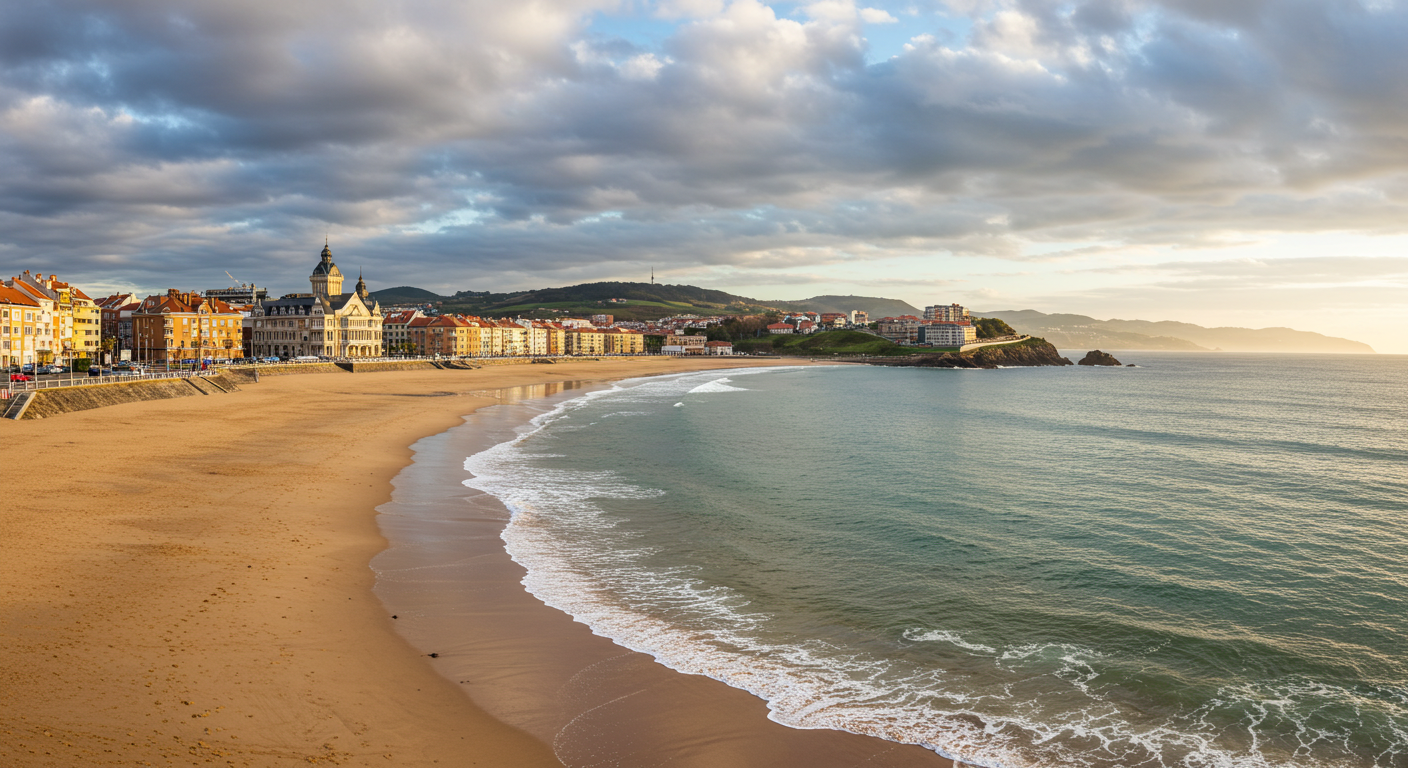
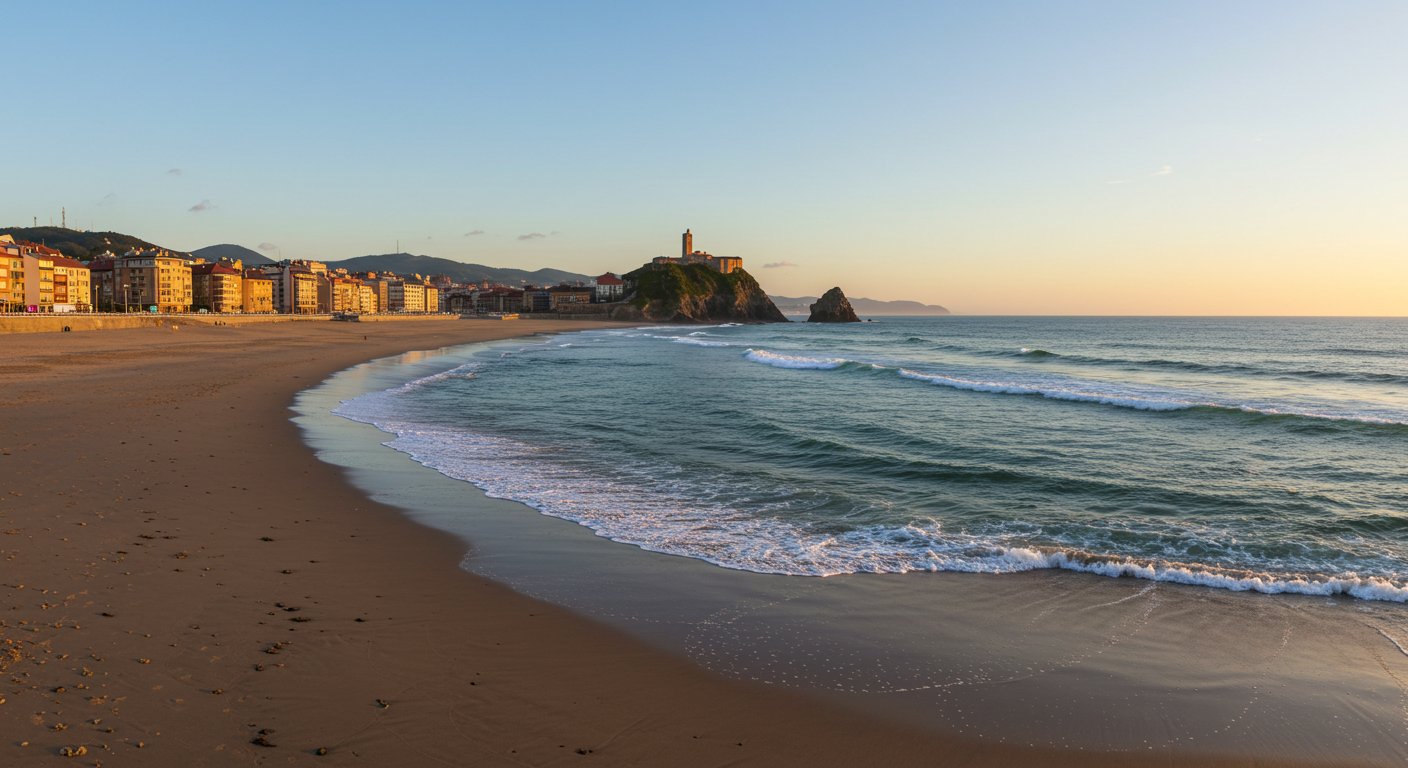
The Costa Verde stretches roughly 350 kilometres along Spain's north coast, from the Galician border in the west to the start of Cantabria in the east. It is called the Green Coast for an obvious reason: the rain. More of it falls here than almost anywhere else in mainland Spain, and the result is a coastline that looks nothing like what most visitors picture when they think of Spain. Cliffs covered in real grass. Rivers running clear into coves. Beaches backed by eucalyptus and oak, not beach bars and sun-lounger concessions.
If you're looking for quiet beaches in Asturias on the Costa Verde, here's the short answer: yes, they genuinely exist, even in August. The key is avoiding the half-dozen spots that appear on every Spanish travel list and instead driving — or hiking — a little further. Most of the coast's best beaches require either a short walk down a cliff path or a willingness to leave the N-634 and follow a local road until it runs out. Do that, and you'll find coves that see more surfers than sunbeds.
Why Asturias Gets Overlooked
The weather is the obvious reason. Asturias averages around 1,200mm of rain a year in places — compare that to Seville's 500mm — and the coast can be overcast well into June. Spaniards from the south sometimes call it 'España mojada', wet Spain, and say it with a shudder. But the flip side is water temperatures that are actually swimmable in July and August (typically 18–21°C), waves that make for decent surfing year-round, and a landscape that still looks like a landscape rather than a construction site.
The other reason is infrastructure, or the relative lack of it. There's no high-speed AVE train. Getting to Asturias from Madrid means either a four-hour drive over mountain passes, a slow FEVE narrow-gauge train that trundles along the coast at its own pace, or a flight into Oviedo airport. None of those are deal-breakers, but they filter out the weekend-trip crowd.
The Beaches Worth Seeking Out
Playa de Gulpiyuri
This one is, admittedly, no longer a secret — but it still astonishes. Gulpiyuri is an inland beach, about 40 metres of sand sitting in what looks like a field, connected to the sea only through underground limestone tunnels. At high tide, waves appear as if from nowhere. It's near Llanes, and the walk from the car park takes about fifteen minutes. Go at low tide on a weekday in June or September and you might share it with a handful of people. August is a different story.
Playa de Andrín
A kilometre or so west of Llanes, Andrín is the beach locals use when Gulpiyuri fills up. It's wider, longer, and backed by low cliffs with the Picos de Europa visible inland on a clear day. The surf here can be strong — check the flags. There's a small car park at the top of the path, and a bar-restaurant that does a decent menú del día for around €12–14 as of 2026. Nothing fancy, but the cider is cold and the view is good.
Playa del Silencio
Possibly the most photographed beach in Asturias, and yet still genuinely quiet outside of the peak summer fortnight. The name means Beach of Silence, and even when it has a hundred people on it, it earns that name — the cliffs wrap around it in a horseshoe, blocking noise. The path down is steep and rocky; anyone with mobility issues should know it's a real scramble. The payoff is a natural amphitheatre of dark slate and green water. It's near the village of Cudillero, which itself is worth an hour of your time — a fishing village built into a narrow gorge, with houses stacked up the hillsides like coloured teeth.
Playa de Toro
Fewer people know this one. It's between Llanes and Ribadesella, accessed via the village of Celorio. The beach is wide and flat, with a river (the Cabra) meeting the sea at the western end, which means the water there is warmer and calmer — good for kids. The surf at the eastern end is reliable enough for beginners. I've been here in late July and found space to spread out without difficulty.
Playa de Frexulfe
This is the kind of beach that makes you feel you've actually found something. It's in the western part of Asturias, near Navia, and the road to it is the sort of single-track affair that makes you question your sat-nav. The beach itself is broad and wild, with a small river at one end and dunes behind. No services. Bring water and food. The waves can be serious — this isn't a swimming beach if the Atlantic is doing anything interesting — but the setting is extraordinary, and I have genuinely been here in August with fewer than thirty people on the sand.
Playa de Penarronda
Right on the border with Galicia, Penarronda is a long, curving beach with consistent surf and a backing of low dunes. It's popular with surfers but rarely crowded in the traditional sense. The village of Barres is five minutes away and has a couple of places to eat. This is a good spot if you're travelling west into Galicia and want a last look at the Costa Verde before the coast changes character.
Getting Around: The Honest Version
You need a car. I'll be direct about this. The FEVE train is a charming experience — the narrow-gauge line runs along the coast from Ferrol to Bilbao, stopping at small stations — but it won't get you to Playa del Silencio or Frexulfe. It's wonderful for the towns: Cudillero, Luarca, Ribadesella, Llanes. For the beaches in between, you need wheels.
Renting a car in Asturias is straightforward. Oviedo airport has all the usual companies. Prices vary considerably by season — in August, book well ahead. The roads are generally good, though the coastal lanes can be narrow and the Asturian tendency to let cows wander is real. Drive slowly and enjoy it.
Petrol stations thin out quickly once you leave the main roads. Fill up in Oviedo, Gijón, or Llanes rather than assuming there'll be one around the next corner.
Where to Base Yourself
Llanes is the obvious choice for the eastern beaches — it's a proper small town with good restaurants, a medieval old town, and enough going on that you won't feel stranded. Accommodation ranges from cheap pensiones to a few decent rural casas rurales in the surrounding villages. Prices are substantially lower than the Basque Country to the east.
For the western beaches, Cudillero or Luarca work well. Luarca in particular is underappreciated — a working fishing port with a serious sidra culture and a covered market where the fish was in the sea that morning.
Oviedo, the regional capital, is worth a night or two at either end of a trip. It's a handsome, compact city with excellent food, a fine cathedral, and the kind of calm confidence that comes from not being on any tourist trail. The sidrerías on Calle Gascona are the real deal — order the cachopo (a breaded veal escalope stuffed with ham and cheese that is roughly the size of a dinner plate) and prepare to not be hungry again for some time.
Food, Drink, and What to Order
Asturian food is serious. The region produces some of Spain's best cheese — Cabrales, the pungent blue wrapped in leaves, is the famous one, but try Gamonéu if you see it. Fabada asturiana, the bean stew with chorizo, morcilla, and lacón, is the dish the region is proudest of. It's a winter dish by nature, but you'll find it year-round, and it's worth eating even in July.
Sidra — cider — is the drink. It's poured from height (the escanciado) to aerate it, served in small measures, and drunk quickly before it goes flat. Don't worry about the technique; any bar in Asturias will pour it for you. A bottle costs €2–3 in a supermarket, €3–5 in a bar.
Practical Notes for Longer Stays
A few people I've met on the coast have ended up staying far longer than planned — a week becomes a month. If you're considering making a more permanent base here, Asturias is relatively affordable by Spanish standards. Rental prices in Llanes or Luarca are a fraction of what you'd pay in San Sebastián or Barcelona. If you're working remotely and thinking about the logistics of staying long-term, it's worth reading up on the Spanish Digital Nomad Visa — Asturias isn't the first place people think of for that lifestyle, but the internet infrastructure in the towns is decent and the quality of life is high.
If you're already in Spain and sorting out residency paperwork, the northern provinces tend to have shorter queues than Madrid or Barcelona — though the bureaucracy is identical. The NIE appointment waits vary by province; Asturias is generally more manageable than the big cities, though you should still book early.
For those setting up more permanently — opening a bank account, sorting healthcare — the same national rules apply wherever you are in Spain. Opening a Spanish bank account as a non-resident is doable from Oviedo just as easily as from Madrid, and your healthcare options before your TIE arrives are worth understanding before you commit to a longer stay.
When to Go
July and August are warmest and driest, but they're also when every Spanish family with children heads north. The beaches are still quieter than anything on the Mediterranean, but quieter is relative. My honest preference is late June or September. The water is swimmable, the light is extraordinary in the evenings, and the roads are calm. October is beautiful — the cliffs go gold and russet, the light is low and golden, and you'll have Playa del Silencio almost to yourself — but the Atlantic can be rough and some smaller places close up.
Spring is unpredictable. The green is at its most intense in April and May, but you'll likely get rained on. Bring a good waterproof and treat it as a feature rather than a problem.
Asturias rewards the kind of traveller who is willing to slow down, eat well, and accept that the weather will do what it likes. The beaches are there. Most people just can't be bothered to find them.
Frequently asked questions
- Are beaches in Asturias safe for swimming?
- Most of the Costa Verde beaches are patrolled by lifeguards in July and August, and flags (green, yellow, red) are used consistently. Outside those months, or on wilder beaches like Frexulfe, there are no guards and the Atlantic surf can be dangerous. Always check the flag and, if in doubt, don't swim. The calmer eastern beaches near Llanes are generally safer for families.
- How do I get to the quiet beaches in Asturias without a car?
- Honestly, most of the best ones require a car. The FEVE coastal train reaches the main towns — Llanes, Ribadesella, Cudillero — and from there you can sometimes take a taxi or local bus to the nearest beach. But places like Playa de Frexulfe or Playa de Toro are not realistically accessible without your own transport. Hiring a car in Oviedo or Gijón is the practical solution.
- What is the water temperature on the Costa Verde in summer?
- Typically 17–21°C in July and August, depending on the year and location. It's cold by Mediterranean standards but perfectly swimmable once you're in. Some people use wetsuits for surfing even in summer. By October, temperatures drop to around 15–17°C.
- Is Asturias good for surfing?
- Yes, genuinely. The Atlantic swell delivers consistent waves along the whole coast, and there are surf schools in Llanes, Salinas, and near Tapia de Casariego in the west. Tapia is particularly well known and hosts competitions. The waves are less predictable than, say, the Basque Country, but there's surf here year-round.
- Can I visit Asturias as a digital nomad and work remotely?
- Asturias is an underrated spot for remote work. Fibre broadband is available in most towns, costs are lower than Madrid or Barcelona, and the quality of life is high. Legally, if you're staying more than 90 days, you'll need the appropriate visa or residency permit — the Spanish Digital Nomad Visa is worth looking into if you work for a non-Spanish company.
- What's the best time of year for Asturias beaches?
- Late June and September hit the sweet spot: warm enough to swim, dry enough to enjoy, and noticeably quieter than August. July and August are the most reliably sunny but also the busiest. October is beautiful for landscape and walking, but the sea is rougher and many small bars and restaurants close.
- Is Playa del Silencio really worth the hype?
- Yes, but go early or late in the day, and avoid the last two weeks of July and first two weeks of August if you can. The cliff path down is steep and takes about 15–20 minutes each way. The beach itself — dark slate, green water, horseshoe cliffs — is genuinely unlike anything on the Mediterranean coast. It earns its reputation.