Best Quiet Coves in Galicia for Swimming in Summer
The best quiet coves in Galicia for swimming in summer — wild beaches, crystal water and how to reach them without a car full of strangers.
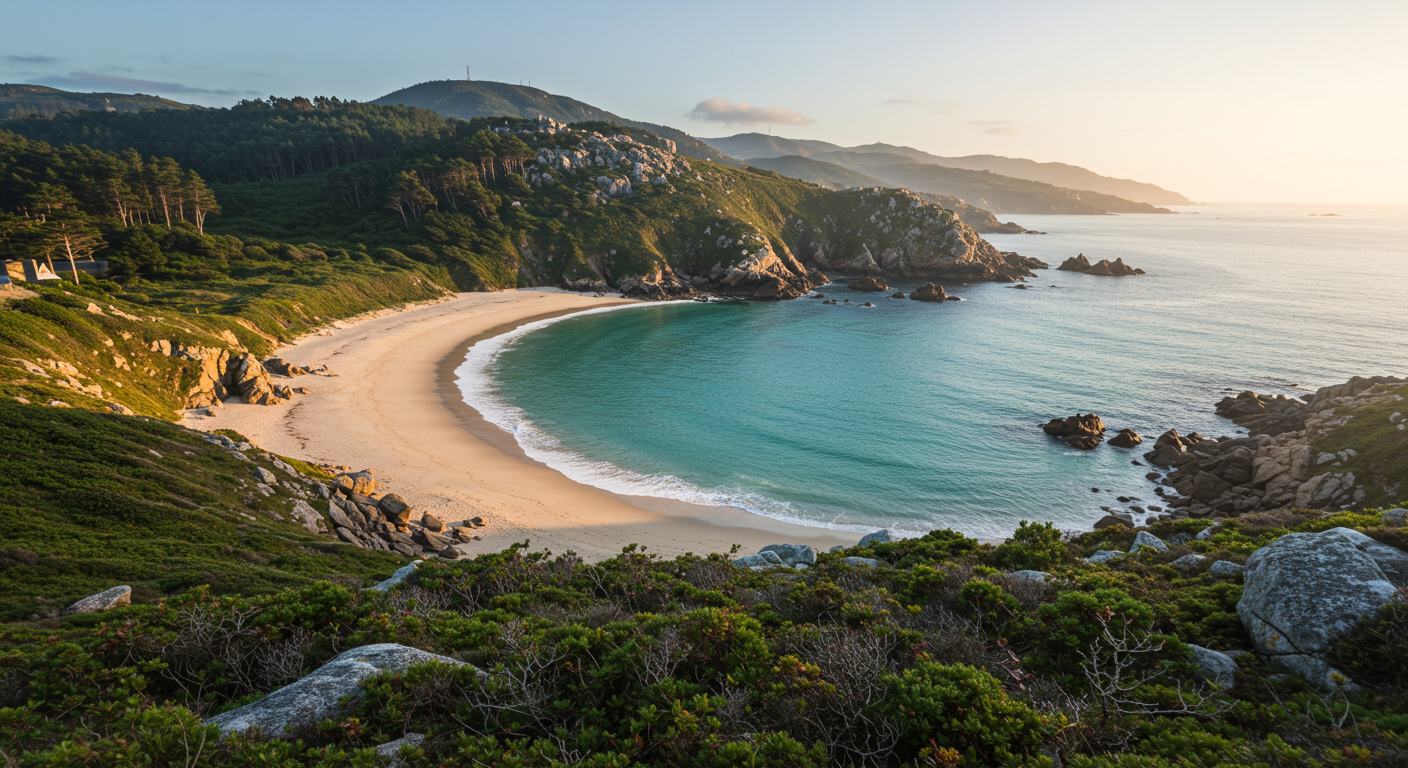
Galicia gets about forty days of sun in July and August. That sounds like a joke when you've spent a rainy March in Santiago de Compostela, but it's more or less accurate — and those forty days are magnificent. The water along the Rías Baixas and the Costa da Morte is cold by Mediterranean standards (18–22°C in summer, though it varies year to year), but it is extraordinarily clear, and the coves here are among the least crowded in Spain if you know where to look.
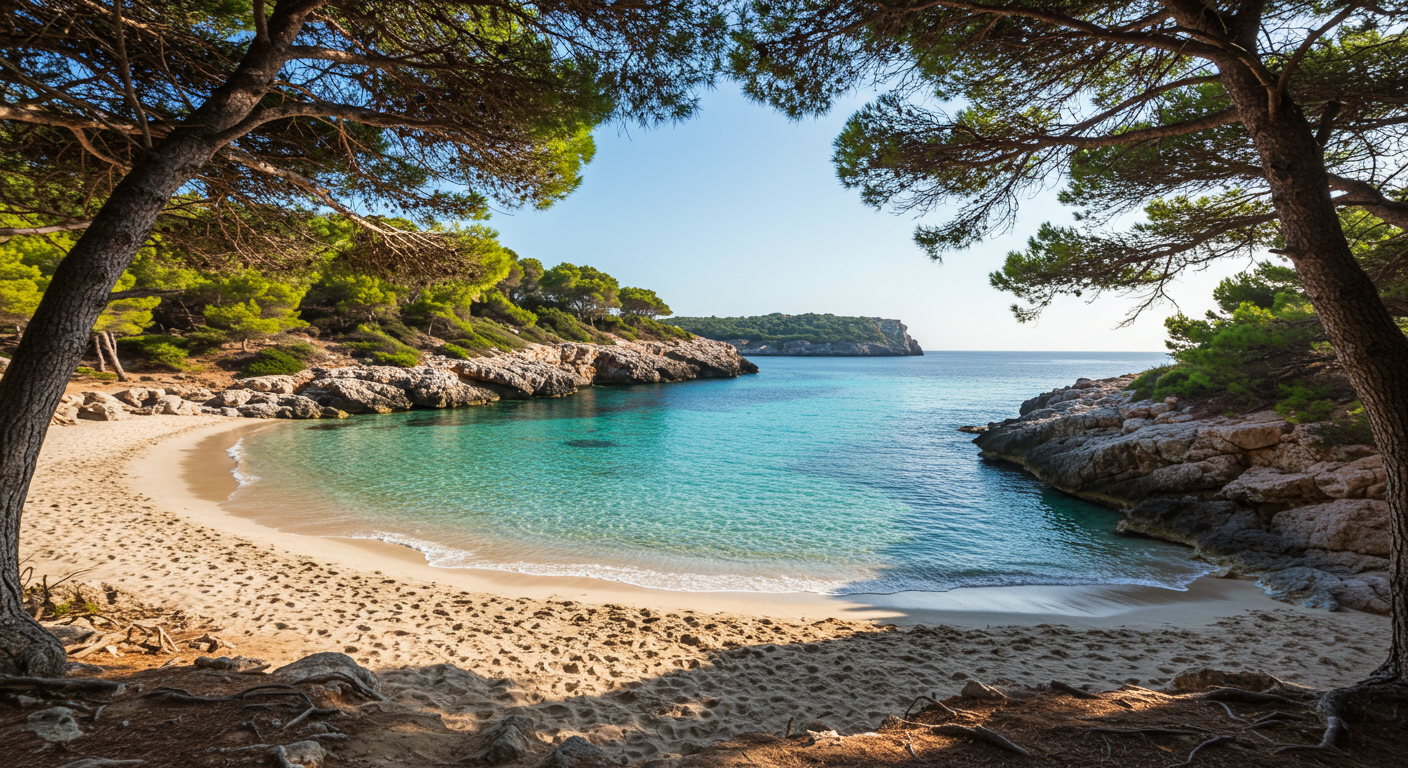
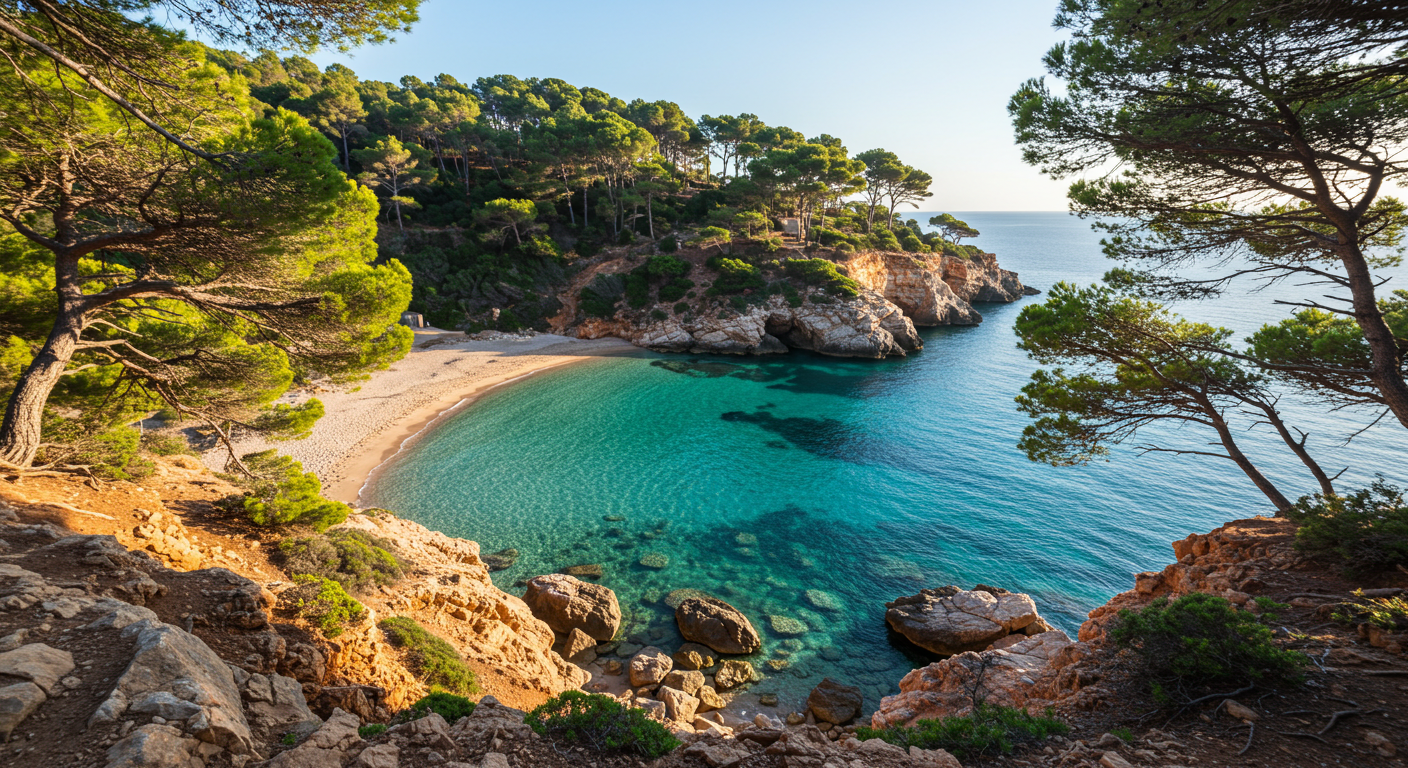
The best quiet coves in Galicia for swimming are concentrated around the Rías Baixas — particularly the Ría de Aldán, Ría de Pontevedra and Ría de Vigo — plus a handful of wild stretches on the Costa da Morte north of Fisterra. The key difference from Catalonia or Andalusia: almost none of them have beach bars, most require a walk, and a few need a boat. That's precisely the point. If you want a sun-lounger and a gin and tonic delivered to your towel, Galicia will disappoint you. If you want turquoise Atlantic water and a beach that's half empty even in August, keep reading.
For a broader sense of how Galicia fits into Spain's coastal picture, The Best Beaches in Spain for Summer 2026: A Curated Coast-by-Coast Guide is worth a look first.
The Rías Baixas: Where to Actually Swim
The ría system is what makes Galicia's south coast special. These drowned river valleys create sheltered inlets where the water warms up faster than the open Atlantic, currents are calmer, and the coves face south or east — meaning morning sun and afternoon shade, which is actually ideal in August.
Praia de Melide, O Grove Peninsula
This is my starting point whenever I bring someone to Galicia who's never swum here. Melide is on the narrow strip of land connecting the O Grove peninsula to the mainland, about 45 minutes by car from Pontevedra. The beach faces a small lagoon — shallow enough for children on the near side, deeper and cleaner toward the channel. The sand is fine and pale. There's one kiosk that opens in summer and not much else. It fills up by noon on a hot Saturday, but by Catalan or Valencian standards it's still quiet. Arrive before 11am or after 5pm.
Enseada de Barra, Ría de Aldán
The Ría de Aldán is the one that locals actually use. It's a smaller, quieter ría tucked between the Morrazo peninsula and the main coastline, and Barra — a crescent of sand at its mouth — is one of the better swimming spots in the whole region. The water is reliably clear. The walk from the car park is about ten minutes on a sandy track, which is enough to keep the casual visitor away. There's nothing here — no bar, no showers — so bring water and food.
Praia dos Cans, Cangas do Morrazo
Honestly, Cans is slightly overrated as a swimming beach — the sand disappears at high tide and it can get choppy in the afternoons. But it's beautiful and the village behind it is genuinely lovely. Worth a visit for a morning dip and lunch in Cangas afterwards. Don't make it your only stop.
Praia de Mourisca, Ría de Pontevedra
This one takes more effort. You park near the hamlet of Mourisca, walk fifteen minutes through eucalyptus and pine, and arrive at a small south-facing cove with dark-gold sand and no facilities at all. The water here is calm because of a natural sandbar further out. It's genuinely quiet even in peak summer — I've been there on a Sunday in August and counted fewer than thirty people. The access path can be muddy after rain, so wear something sensible.
The Costa da Morte: Wilder and Colder
North of Fisterra, the landscape changes completely. The coast here faces the open Atlantic — no ría protection, stronger winds, colder water (typically 16–19°C in summer). The coves are dramatic rather than gentle. Swimming is possible on calm days but you need to check conditions; this is not a place to swim if there's any swell.
Praia de Nemiña
Nemiña is the one I'd recommend to anyone who wants a genuinely wild Atlantic experience. It's a long beach — maybe 800 metres — with low dunes and no development behind it. The waves here attract surfers, which tells you something about the conditions on a typical day. But on a calm morning in July, the water is extraordinary. The sand has a reddish tinge from the local granite. There's a small car park and nothing else. Bring everything you need.
Cala de Sardiñeiro
A small cove just south of Fisterra town, reachable on foot from the lighthouse road in about twenty minutes. This is the one to visit if you're already doing the Camino de Fisterra and want a swim at the end of the world. The cove is tiny — twenty metres of sand — and faces southwest, so it catches the late afternoon sun. Water is cold. You will shriek. It's worth it.
Praia de Carnota
The longest beach in Galicia, at around seven kilometres. It's not a cove, and it's not quiet at the main access points. But walk twenty minutes north from the car park at the Carnota end and you'll have a kilometre of beach to yourself. The dunes behind it are protected, so there's no construction. The water is cold and the waves are unpredictable — swim parallel to the shore and stay close in. Stunning in the late afternoon light.
Practical Notes for Getting There
You Need a Car (Mostly)
This is the inconvenient truth about Galicia's coves. Public transport exists — buses between Vigo, Pontevedra, Cangas, and O Grove are reasonable — but the final few kilometres to most beaches are on small roads that buses don't serve. Renting a car in Vigo or Santiago is straightforward and not expensive in early July (roughly €30–50/day for a small car, as of 2026, though prices spike in August). Book well in advance for August.
For Melide and the O Grove peninsula, you can take the bus from Pontevedra to O Grove and walk or cycle from there. For Nemiña and the Costa da Morte, a car is essentially non-negotiable.
Tide Timing Matters
Galicia has a significant tidal range — up to three or four metres in spring tides. Several coves that look inviting at low tide have almost no beach at high tide. Check the tide tables before you go. The Spanish hydrographic service (Puertos del Estado website) publishes daily tide predictions for Galician ports; it's free and reliable.
Water Temperature Expectations
If you're coming from the Mediterranean, prepare yourself. Even in August, Galician Atlantic water is bracing. The Rías Baixas are warmer — upper teens to low twenties Celsius — but the open coast can be several degrees colder. It's not unpleasant once you're in; it's just not the bath-warm Med. Think of it as invigorating rather than cold.
Where to Stay
Pontevedra is my base of choice for the Rías Baixas. It's a beautiful, walkable city with a car-free old town, good restaurants, and easy access to the coast in all directions. Cheaper than Vigo, more characterful than O Grove. Accommodation runs from about €60–90/night for a decent hotel in July, more in August.
For the Costa da Morte, Fisterra itself has a handful of small hotels and pensiones. It's worth staying at least one night — the lighthouse at sunset, the fishing harbour at dawn. Muxía, further north, is quieter still and has the Santuario da Virxe da Barca right on the water.
If you're considering a longer stay or thinking about making Galicia a base for remote work, the region has been attracting a growing number of people doing exactly that — the cost of living is low by Spanish standards and the quality of life is high. The Moving to Spain with Family and Pets: Visas, Schools and the Logistics Nobody Mentions guide covers the practicalities of actually settling here, which is worth reading if Galicia has got under your skin in the way it tends to.
A Quick Note on Crowding (or the Lack of It)
Galicia doesn't get the same tourist volumes as Andalusia or Catalonia. The language barrier (Galician is widely spoken; Spanish works fine but you're more of an outsider here than in Barcelona), the reputation for rain, and the relative lack of direct international flights all keep numbers down. The crowds that do exist are overwhelmingly Spanish — Galicians themselves, Madrilenhos escaping the heat, and increasingly people from the Basque Country. Foreign tourists are a small minority outside Santiago de Compostela.
This is genuinely good news for beach-seekers. Even the most accessible beaches here are quieter than comparable spots on the Costa Brava — and speaking of which, if you're comparing the two regions, Costa Brava Beaches and Hidden Calas: The Essential Summer Guide to Catalonia's Coast gives a useful contrast. Catalonia's coast is more manicured and more crowded; Galicia is rawer and emptier. Neither is better — they're just very different.
Go in the first two weeks of July if you can. The water is almost as warm as August, the beaches are noticeably quieter, and Galicia's wildflowers are still out on the clifftops. August is fine but it's Galicia's peak — even here, the best spots fill up by midday on a hot day.
One last thing: bring a windproof layer. Even on sunny days, the Atlantic breeze can be sharp in the early morning and after 6pm. A light jacket stuffed in your bag will make the difference between a perfect day and a shivering drive home.
Frequently asked questions
- Is the sea warm enough to swim in Galicia in summer?
- In the Rías Baixas, water temperatures typically reach 18–22°C in July and August — cold by Mediterranean standards but perfectly swimmable. On the open Atlantic coast (Costa da Morte), expect 16–19°C. The water warms up most in sheltered rías; if you're sensitive to cold, stick to Ría de Aldán or Ría de Pontevedra.
- What are the quietest beaches in Galicia in August?
- The quietest beaches are generally those requiring a walk from the car park: Praia de Mourisca near Pontevedra, Enseada de Barra in the Ría de Aldán, and the northern end of Praia de Carnota. These have no facilities, which keeps casual visitors away. Arrive before 11am even at these spots on a hot August weekend.
- Do I need a car to visit the coves in Galicia?
- For most coves, yes. Public buses connect the main towns (Vigo, Pontevedra, O Grove, Cangas), but the last stretch to the beach is almost always on small roads buses don't serve. Car hire in Vigo or Santiago is the practical answer. Book early for August — prices and availability get difficult from mid-July onwards.
- Are there beach bars or restaurants near the coves in Galicia?
- Some, but far fewer than on the Costa del Sol or Costa Brava. Praia de Melide has a summer kiosk; most other coves mentioned here have nothing. Bring food and water, especially for Mourisca, Barra, and Cala de Sardiñeiro. Villages nearby often have a bar or two — Cangas do Morrazo, O Grove and Fisterra all have decent options for lunch.
- When is the best time to visit Galicia's beaches to avoid crowds?
- The first two weeks of July are ideal. The water is nearly as warm as August, the beaches are noticeably less crowded, and prices for accommodation are lower. Avoid the last two weeks of July and the first week of August if possible — that's when Spanish domestic tourism peaks and even Galicia's quieter spots feel busy.
- How does Galicia compare to the Costa Brava for beach holidays?
- Galicia is wilder, emptier and cheaper. The water is colder and the infrastructure is more basic — fewer beach bars, less English spoken, harder to reach without a car. The Costa Brava has more reliable sunshine, warmer water and better public transport links. Galicia rewards the effort; the Costa Brava is easier to do on autopilot.
- Can you swim at the beaches near Fisterra on the Costa da Morte?
- Yes, on calm days. Cala de Sardiñeiro (a short walk from the Fisterra lighthouse road) is the most sheltered option and swimmable most summer mornings. The open beaches further north, like Nemiña, are fine on calm days but can have strong currents when there's Atlantic swell. Always check conditions locally before swimming on the Costa da Morte.