Sherry in Jerez: Bodegas, Styles & the Sherry Triangle Explained
A practical guide to the best bodegas to visit in Jerez de la Frontera, the main sherry styles, and how the sherry triangle actually works.
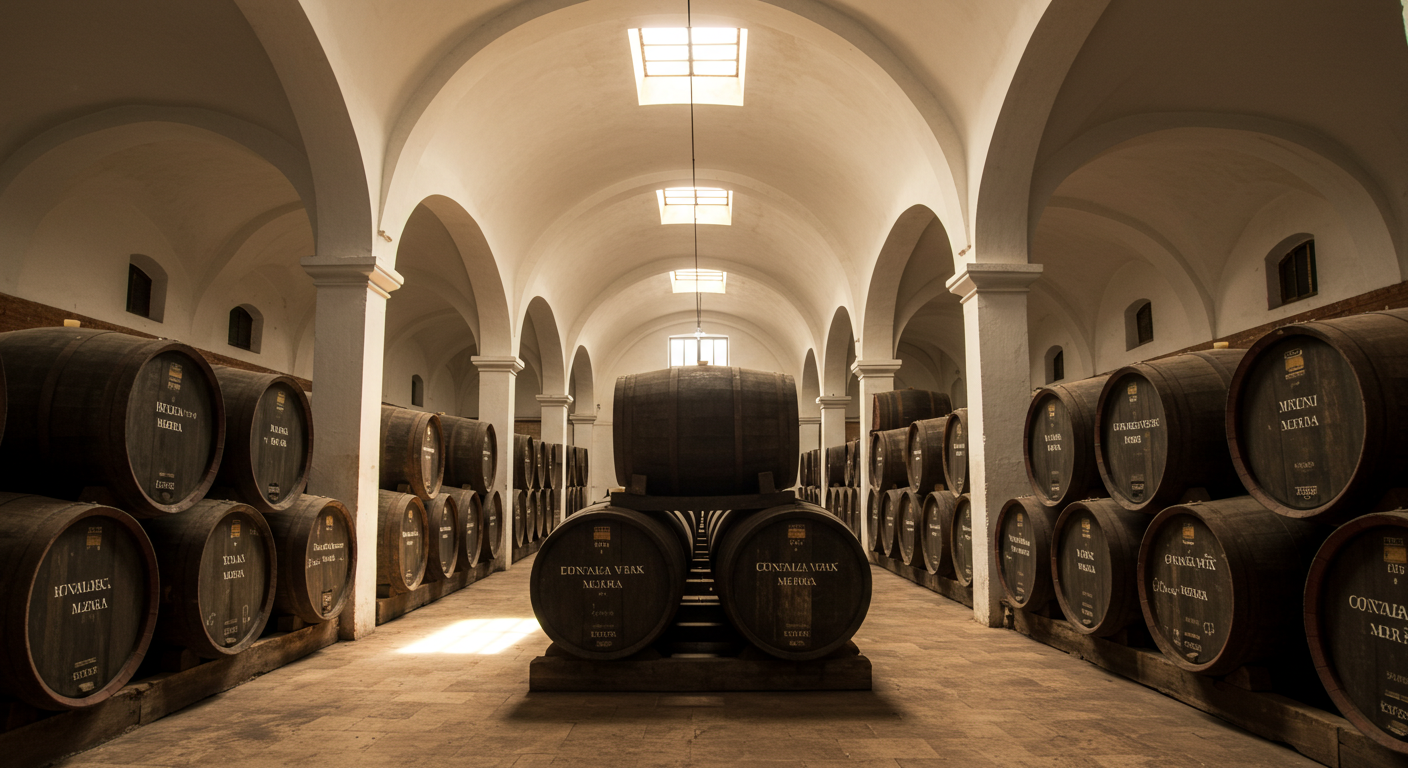
Three towns. One appellation. Thousands of barrels stacked in cool, cathedral-like warehouses that smell of wood and alcohol and something older than either. The Sherry Triangle — Jerez de la Frontera, Sanlúcar de Barrameda, and El Puerto de Santa María — produces one of the world's most complex wine styles, and it remains, bafflingly, one of Spain's most undervisited corners.
If you're planning a trip and want to know which are the best bodegas to visit in Jerez de la Frontera specifically, the short answer is this: Bodegas Tradición for sherry aged to genuine extremes, González Byass (Tío Pepe) if you want a big, polished operation that still delivers, and Fernando de Castilla if you want something smaller and more serious. Those three cover the range. Everything else below will help you go deeper.
What the Sherry Triangle Actually Is
The Denominación de Origen Jerez-Xérès-Sherry covers a specific chalk-and-clay growing zone in the province of Cádiz. The triangle's three corners are Jerez de la Frontera (the main hub, inland), Sanlúcar de Barrameda (on the coast, at the mouth of the Guadalquivir), and El Puerto de Santa María (on the Bay of Cádiz). Each corner matters, and not just geographically — Sanlúcar produces Manzanilla, which is legally distinct from Jerez's Fino, despite being made from the same grape (Palomino Fino) in essentially the same way. The coastal air gives Manzanilla a different character: saltier, sharper, more saline. You'll taste the difference immediately.
The vineyards themselves sit on albariza — the white, chalky soil that reflects sunlight and retains moisture deep underground through the brutal Andalusian summer. Without it, the Palomino grape, which is bland on its own, would produce nothing interesting. The soil is the story.
The Main Sherry Styles, Without the Jargon
Sherry is a fortified wine, which means grape spirit is added during or after fermentation. But what really defines each style is biology: specifically, whether a layer of yeast called flor grows on the wine's surface in barrel, protecting it from oxygen.
Fino and Manzanilla are the driest, palest styles. Aged entirely under flor. They're light straw in colour, bone dry, and they go with food in a way that most wine doesn't. Drink them cold, straight from the bottle. Fino comes from Jerez; Manzanilla from Sanlúcar. Both should be drunk young — once you open the bottle, treat it like a white wine and finish it within a few days. The stuff sitting on a warm shelf in a tourist bar for three months is not what these wines are meant to be.
Amontillado starts as a Fino but the flor dies off (either naturally or by adding more spirit), and the wine then oxidises. The result is amber, nutty, complex — dry despite what people expect. Real Amontillado is nothing like the sweet brown stuff sold under that name in British supermarkets for decades. Seek out aged examples; they're extraordinary.
Oloroso is fortified to a level that prevents flor from forming at all, so it oxidises from the start. Dark, walnut-brown, with dried fruit and leather notes. Dry in its natural state, though sweetened versions exist.
Palo Cortado is the odd one out — a wine that began as a Fino, lost its flor unexpectedly, and developed an Amontillado-like nose with an Oloroso-like body. Genuinely rare. Bodegas that claim to produce large quantities of it are bending the truth.
Pedro Ximénez (PX) is in a different category altogether. Made from sun-dried PX grapes, it's a dense, almost black, treacly sweet wine. Pour it over vanilla ice cream. Seriously.
Cream sherry — think Harvey's Bristol Cream — is a blended, sweetened product. It's not really what you come to Jerez to understand, though it has its place on a cold afternoon.
How the Solera System Works
Unlike most wine, sherry isn't vintage-dated. It's aged using a solera — a system of stacked barrels where older wine is fractionally blended with younger wine over many years, sometimes decades. The bottom row (the solera proper) contains the oldest wine; above it are criaderas, or nursery rows. When wine is drawn off for bottling, it's replaced from the row above, which is in turn topped up from the row above that, and so on.
The result is a consistent, complex product that carries the character of very old wine even in relatively young bottlings. A solera started in 1900 will have trace elements of that original wine in every bottle drawn today. It's a beautiful system, and it's why sherry ages so differently from table wine.
The Best Bodegas to Visit in Jerez de la Frontera
Jerez has around a dozen bodegas open to visitors; the quality of the experience varies enormously.
González Byass — Tío Pepe
The biggest operation in town and, honestly, one of the better tours despite its scale. The bodega is a ten-minute walk from the cathedral, on Calle Manuel María González. The standard tour (around €18–22 as of 2026, check their website) takes you through the historic naves — vast barrel-halls — and includes a guided tasting of four or five wines. The premium tours go deeper and cost more. Book ahead in summer; they fill up. The Tío Pepe Fino itself is a reliable, clean example of the style. Their VORS (Very Old Rare Sherry) range, especially the 30-year Amontillado, is serious wine.
Bodegas Tradición
Smaller, quieter, and genuinely exceptional. Tradición focuses on aged wines — their entry point is a 20-year VORS range, and they also hold one of the finest private collections of Spanish old masters in the country (a Goya, a Velázquez, a Zurbarán, among others), displayed inside the bodega itself. Tours are by appointment and more expensive — budget €30–40 or more — but the wines poured are in a different league. This is where you go when you want to understand what sherry can actually be at 20 or 30 years of age. On Calle Cordobeses, near the old town.
Bodegas Lustau
Lustau built its reputation on almacenista sherries — wines bought from small, private stockholders (almacenistas) who age sherry in small quantities for their own use, then sell to larger houses. The quality can be outstanding and the range is wide. Their Emilio Lustau range is available internationally, but tasting at the bodega in Jerez is a different experience. Tours run most mornings; book via their website.
Fernando de Castilla
Strictly speaking, Fernando de Castilla is based in Jerez though it's a smaller, Norwegian-owned operation (since the late 1990s) that has become a reference point for quality-focused sherry. Their Antique range — Fino, Amontillado, Palo Cortado, Oloroso, PX — is meticulous. Less touristy than the big houses; more serious about the wine. Worth seeking out if you already know what you like.
A Note on Timing
Bodegas in Jerez follow Andalusian hours, which means they close in the early afternoon and may not reopen. Most tour slots are morning or early afternoon. August is genuinely hot — 38°C is not unusual — and some smaller bodegas reduce their visiting schedules. September and October are ideal: the harvest (vendimia) happens in September, the air cools slightly, and the town has a particular energy.
Don't Overlook Sanlúcar de Barrameda
Forty minutes by road from Jerez, Sanlúcar is where Manzanilla is made and where, frankly, the food-and-wine combination reaches its peak. Sit at a table in the Bajo de Guía neighbourhood, facing the Doñana marshes across the river, and eat grilled langostinos de Sanlúcar with a cold Manzanilla. That's one of the best things you can eat in Spain. Barbadillo is the dominant producer and does tours; Hidalgo-La Gitana (makers of La Gitana Manzanilla) is the other major name. Both are worth visiting.
If you're planning to spend more than a couple of days exploring this corner of Andalusia and thinking about staying longer-term, the practicalities of actually living in Spain are a separate conversation — things like renting in Spain without a Spanish payslip or opening a Spanish bank account as a non-resident become relevant fast. But that's for another day.
El Puerto de Santa María: The Third Corner
El Puerto often gets overlooked in favour of Jerez and Sanlúcar, but it has its own serious bodega culture. Osborne is the most famous name — their black bull silhouettes on hillsides across Spain are one of the country's most recognisable images — and they offer tours of their historic cellars. The town itself is pleasant, with a ferry connection to Cádiz across the bay.
What to Drink and Where in Jerez Itself
The old town has a handful of bars that actually know what they're doing with sherry. La Carboná, a restaurant in a converted bodega on Calle San Francisco de Paula, is reliable for both food and wine. For a more casual tasting, the Bar Juanito on Calle Pescadería Vieja has been a local institution for decades — order the carrillada (braised cheek) with a glass of Amontillado and you'll understand why Jerez doesn't need a Michelin star to eat well.
Skip the tourist-facing bars around the cathedral square. They charge over the odds and the sherry isn't kept properly.
Practical Notes for Visiting
Jerez de la Frontera has its own airport with connections to Madrid and some northern European cities, though the schedule is limited. Seville is about an hour by road and has better connections. The AVE doesn't reach Jerez directly — you'd take a regional train from Seville Santa Justa, which takes around an hour and costs under €15 each way. Renting a car makes sense if you want to visit all three corners of the triangle in one trip, though parking in Sanlúcar's old town requires patience.
Hotel prices in Jerez are reasonable by Andalusian standards — a decent three-star in the centre runs €70–100 a night as of 2026, though the flamenco festival in February and the Feria del Caballo in May push prices up sharply. Book well ahead for those periods.
If you're considering a longer stay in the region — Cádiz province is genuinely liveable and increasingly popular with remote workers — the bureaucratic side of things is worth researching in advance. A Spanish digital nomad visa is one route; understanding what healthcare cover you have before your TIE arrives is another early question worth answering.
Jerez rewards the slow approach. One bodega a day, a long lunch, a late afternoon Fino at a bar that keeps its bottles cold. You'll learn more about sherry in three days here than in three years of reading about it.
Frequently asked questions
- Do I need to book bodega tours in Jerez in advance?
- For González Byass and Lustau, yes — especially in summer and around the September harvest. Bodegas Tradición is always by appointment. Smaller bodegas sometimes take walk-ins, but it's safer to email or call ahead. Most bodega websites have online booking.
- What's the difference between Fino and Manzanilla?
- Both are dry, pale sherries aged under a layer of yeast called flor. The difference is location: Fino is made in Jerez or El Puerto de Santa María, Manzanilla only in Sanlúcar de Barrameda. The coastal humidity in Sanlúcar produces a thicker flor and gives Manzanilla a distinctly saline, briny character. They're legally separate denominations.
- How long should I spend in Jerez to properly explore the sherry scene?
- Two full days covers the main Jerez bodegas and gives you an evening to eat and drink well. Add a third day to get to Sanlúcar de Barrameda for Manzanilla and lunch by the river. A fourth day could take in El Puerto de Santa María. Three to four days is the sweet spot.
- Is sherry expensive to buy at the bodegas?
- Not particularly. Basic Fino and Manzanilla from the major houses costs €5–10 a bottle at the bodega shop. Aged VORS wines (20+ years) range from €25 to over €80 depending on the producer and the style. Palo Cortado from serious producers tends to be at the higher end.
- Can I visit the sherry triangle without a car?
- You can cover Jerez well on foot and by taxi. Getting to Sanlúcar requires either a car, a bus (there are direct services from Jerez's bus station, taking around 45 minutes), or a taxi. El Puerto de Santa María is reachable by train from Jerez in about 20 minutes. A car makes the whole triangle much easier to manage in a short trip.
- What food pairs best with sherry?
- Fino and Manzanilla with fried fish, jamón, olives, or seafood — anything salty and saline. Amontillado with cured meats, mushrooms, or aged cheese. Oloroso with game, stews, or strong cheeses. PX poured over vanilla ice cream or with blue cheese. The food culture in Jerez is built around these pairings, and the local tapas scene reflects it.
- Is the Jerez sherry region worth visiting if I'm not a big wine drinker?
- Genuinely, yes. The bodegas themselves are architecturally impressive — cool, high-ceilinged warehouses with light filtering through whitewashed walls. Tradición has a legitimate art collection. The town has good flamenco, decent food, and a pace that rewards wandering. The wine is a bonus, not a prerequisite.