Best Spanish Wine Regions to Visit: Rioja, Ribera, Priorat & Rías Baixas
A region-by-region guide to the best Spanish wine regions to visit — Rioja, Ribera del Duero, Priorat and Rías Baixas — with honest tips on where to eat, stay and taste.
The Best Spanish Wine Regions to Visit — and What Nobody Tells You Before You Go
Spain has around 70 officially designated wine regions. Most travellers visit one, drink well, and return home thinking they've cracked it. They haven't. The four regions worth building a dedicated trip around — Rioja, Ribera del Duero, Priorat, and Rías Baixas — are wildly different from each other in landscape, grape, food culture and attitude. Picking the right one (or pairing two of them) depends entirely on what kind of traveller you are.
The short answer: for classic architecture and easy logistics, go to Rioja. For raw, dramatic wine country with serious food, Ribera del Duero. For something genuinely difficult and extraordinary, Priorat. For Atlantic seafood and white wine that actually tastes of where it comes from, Rías Baixas. Most people can do one of these regions properly in three to four days; two regions in a week if you're willing to drive.
La Rioja: The One Everyone Goes to First
La Rioja is the default answer to "best Spanish wine regions to visit" — and it's the default for good reason. The infrastructure here has been built around wine tourism for decades. You can turn up in Haro or Logroño with no plan and eat and drink better than you deserve.
Haro is the spiritual capital of Rioja Alta — the subzone that produces most of the serious aged wines. The Barrio de la Estación (Station Quarter) is extraordinary: a cluster of grand 19th-century bodegas — López de Heredia, CVNE, Muga, La Rioja Alta — all within a five-minute walk of each other, most offering tours and tastings. Book ahead for López de Heredia; their cellar tour is the one that stays with you. Genuinely strange, cobwebbed, beautiful. They still sell wines from the 1960s across the counter.
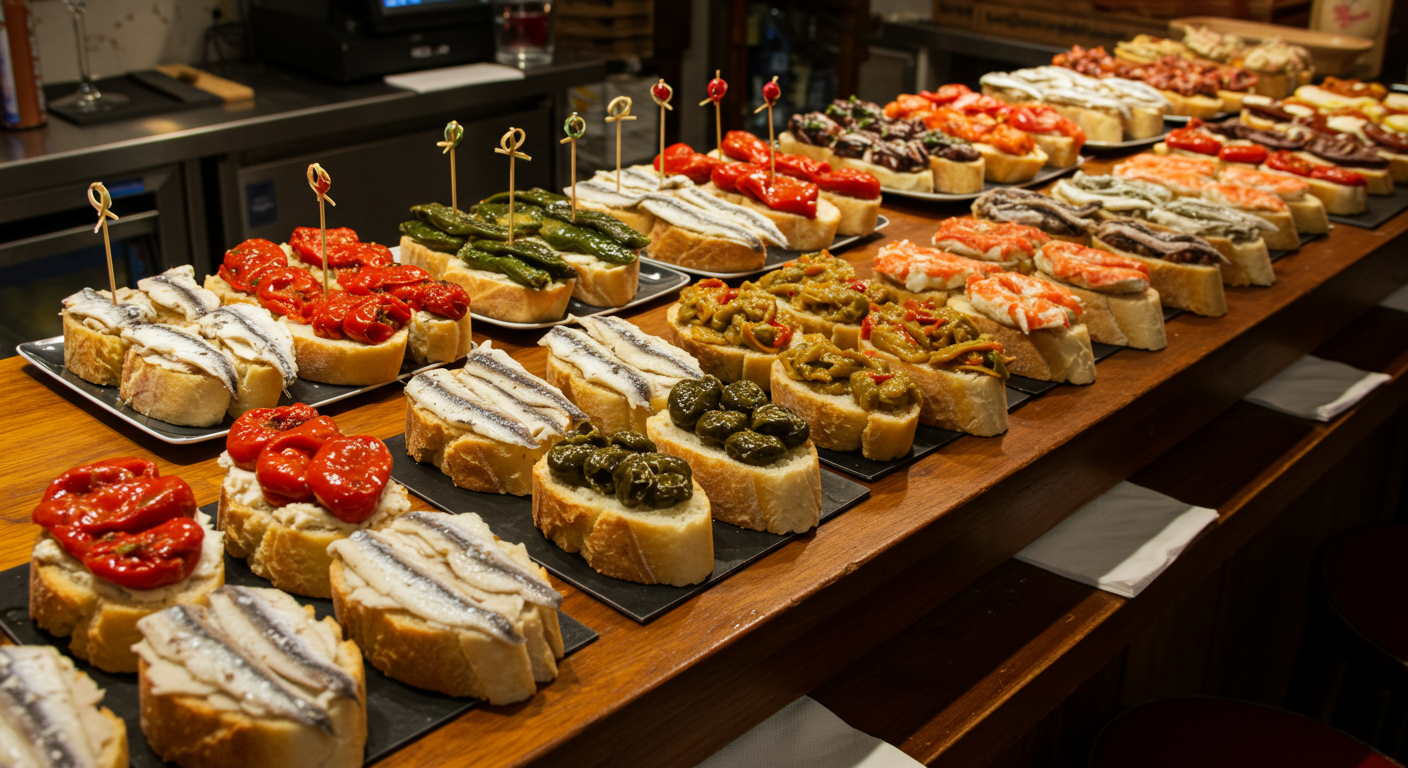
Logroño, the regional capital, is where you eat. Calle del Laurel and Calle San Juan are the two tapas streets — not a tourist fabrication, but a real local ritual. A glass of Rioja Crianza costs around €1.50–€2 at most bars, and the pincho de champiñones (mushroom skewers) at Bar Soriano has been the same recipe since 1972. Don't overthink it. Walk in, point, pay coins, move to the next bar.
The landscape is prettier than people expect — especially in late October when the vineyards go amber and red. That said, Rioja in high summer (July–August) can be punishingly hot and the bodegas get crowded. April to June, or September to November, are the sensible windows.
Skip the big commercial bodegas on the main tourist circuit near Elciego if you're after authenticity — the Frank Gehry Marqués de Riscal hotel is fun to look at from the outside, but the winery tour is corporate and the restaurant is priced for people who don't check the bill.
Ribera del Duero: Harder to Reach, Worth Every Kilometre
Ribera del Duero sits on the Castilian meseta, strung along the Duero river between Burgos and Valladolid. It's not as slick as Rioja. The landscape is flatter, starker, and in winter genuinely brutal — this is one of the highest wine-producing plateaus in Europe, around 800–900 metres above sea level. Frost in May is not unusual. That harshness is part of what makes the Tempranillo (here called Tinto Fino) taste the way it does: concentrated, structured, built to last.
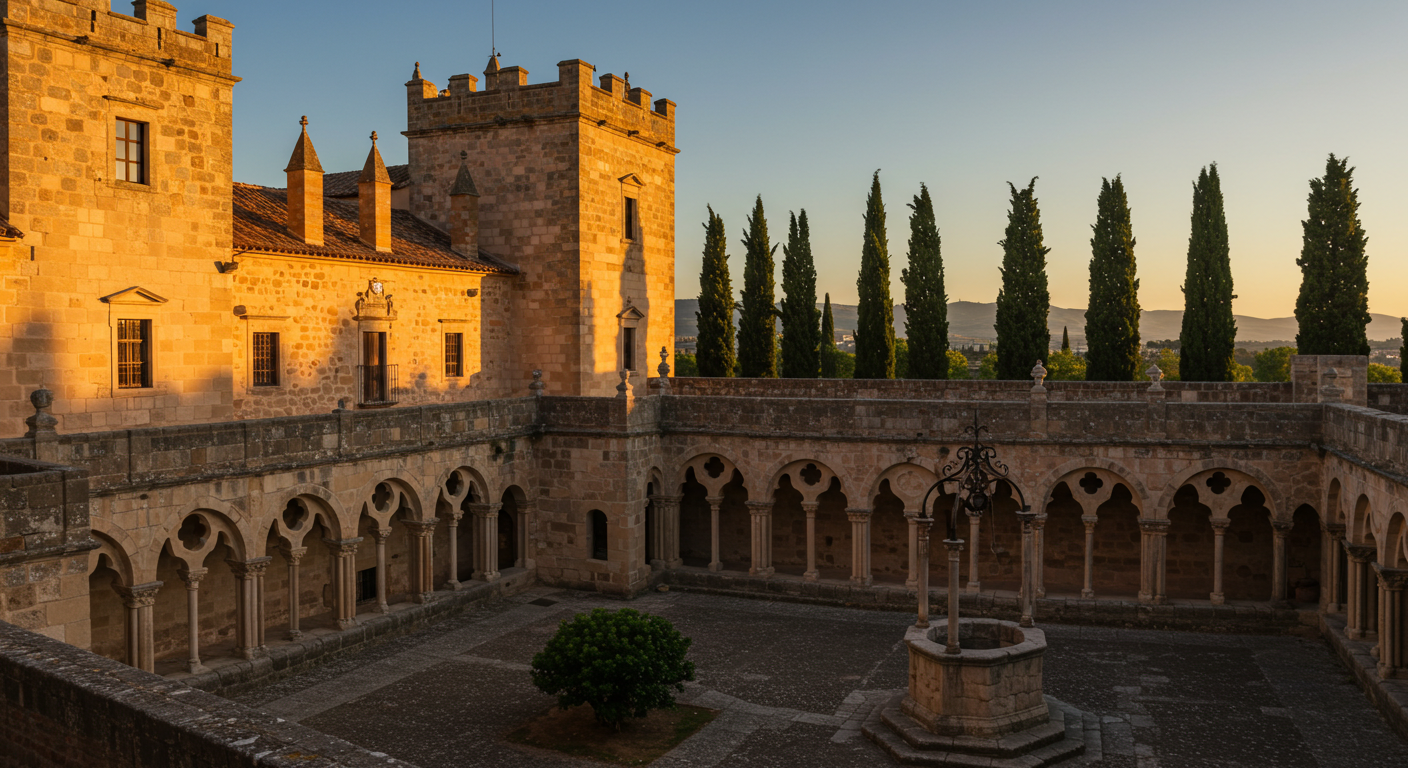
The town to base yourself in is Aranda de Duero — central, practical, with decent hotel options and an extraordinary underground wine cellar network (bodegas subterráneas) beneath the old town. Peñafiel is the more photogenic option, dominated by a long, ship-like castle that now houses the Museo Provincial del Vino. Worth an afternoon.
For tastings, Vega Sicilia is the name everyone drops — Spain's most famous wine, made here since 1864, and virtually impossible to visit unless you know someone or book months in advance. More accessible and often just as interesting: Pesquera (Alejandro Fernández's original estate), Emilio Moro, and the newer wave of smaller producers around La Horra. Arzuaga Navarro offers a proper wine-and-food experience with a restaurant on site — not cheap, but the lamb is exceptional.
Speaking of lamb: Ribera del Duero is lechazo country. Milk-fed lamb, roasted in wood-fired clay ovens. Restaurants like Molino de Palacios (near Pedrosa de Duero) or Casa Brigante (Aranda) do this properly. Budget around €25–€35 per person for a full lunch with wine. That's not expensive for what you get.
Getting here without a car is genuinely awkward. There are buses from Burgos and Valladolid to Aranda, but the bodegas themselves are spread across villages and you'll be stranded without wheels. Rent a car. It's the one region where there's no sensible alternative.
Priorat: The Difficult One (Go Anyway)
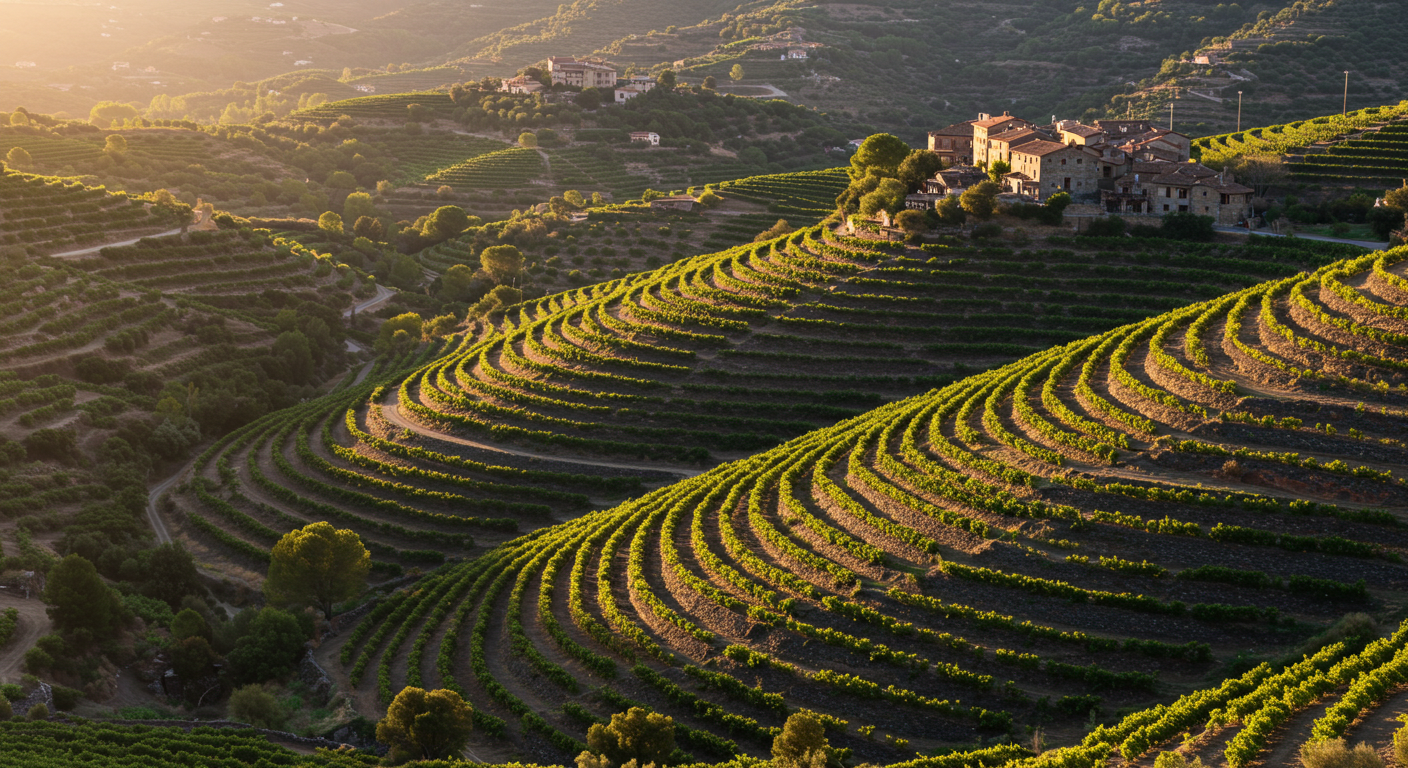
Priorat is in southern Catalonia, inland from Tarragona, tucked into a corrugated landscape of steep slate slopes and near-vertical vineyards. It's hard to reach, hard to walk around, and the wines are expensive. It's also unlike anywhere else in Spain.
The slate here — llicorella, the local word for it — is what makes Priorat's Garnacha and Cariñena taste the way they do. Mineral, dense, with an almost saline finish. The DOQ Priorat (one of only two wines in Spain with the highest DOQ classification, alongside Rioja) means the producers take quality seriously, sometimes to the point of preciousness.
Graefal and Falset are the two main villages. Falset has the better infrastructure — a Monday market, a few good restaurants, the Celler de Capçanes cooperative (which produces excellent wines at half the price of the big names). For the famous estates: Álvaro Palacios (his L'Ermita vineyard is the one that put Priorat on the international map in the 1990s), Clos Mogador, and Clos de l'Obac all offer visits, but you need to book well in advance and they're not cheap.
The drive in from Reus or Tarragona is spectacular and slightly terrifying — hairpin roads, sheer drops, no barriers in places. Take it slowly.
Where to eat: Cal Llop in Graefal is the serious option — Catalan cooking that treats the local produce with respect. In Falset, the restaurant at the Celler de Capçanes cooperative is excellent value and unpretentious. Priorat is not a place to come for tapas-bar grazing; it's a place to have one very good meal with one very good bottle.
Pair Priorat with a couple of days in Tarragona (Roman ruins, good seafood, half the price of Barcelona) and you've got a genuinely original Catalan itinerary that most visitors miss entirely.
Rías Baixas: Atlantic Spain, White Wine, Seafood
Everything changes when you cross into Galicia. The landscape is green, misty, oceanic. The wine is white. The food is centred on the sea. Rías Baixas — specifically the subzone of Val do Salnés on the Rías Baixas coast — is where most of Spain's Albariño comes from, and if you've only ever drunk it outside Spain, you owe it to yourself to try it here.
The town of Cambados is the capital of Albariño country — small, granite-grey, beautiful in a distinctly Galician way. The Pazo de Fefiñanes bodega is right in the main square and does excellent tours. The last Sunday of July is the Festa do Albariño, one of the better wine festivals in Spain — chaotic, crowded, brilliant, though accommodation books up months ahead.
O Grove and the Illa da Toxa are nearby and worth a few hours. But the real reason to come to this corner of Galicia is the mariscos. Percebes (barnacles), navajas (razor clams), vieiras (scallops), centolla (spider crab). Eaten simply, with bread and Albariño. A kilo of percebes can set you back €40–€80 depending on season — they're not cheap because harvesting them from Atlantic rocks is genuinely dangerous work — but once you've eaten them properly cold with a glass of local wine, that price feels reasonable.
Vigo is the nearest city with a proper airport (direct flights from several UK airports, as of 2026). From Vigo, Cambados is about an hour by car. There are buses, but they're slow and infrequent. Again: a car helps.
For bodega visits beyond Fefiñanes, try Martín Códax (large, professional, good English-language tours) or the smaller Adega Eidos (more personal, worth booking ahead). The Albariño here is not the same wine you buy in a supermarket at home — it's fresher, more textured, more alive.
Choosing Between Them: A Practical Note
If you're planning a two-week food-and-wine trip to Spain and want to combine regions: Rioja and Ribera del Duero work well together as a road trip through Old Castile, with Burgos (for the cathedral and the morcilla) as a natural waypoint. Priorat pairs with Barcelona or Tarragona. Rías Baixas pairs with Santiago de Compostela, which is only 90 minutes north and a remarkable city in its own right.
None of these regions require a Spanish residency visa or any particular paperwork to visit as a tourist. But if you're thinking about making Spain a longer-term base — plenty of wine-country converts do — there's a fair amount of administrative groundwork involved. The Spanish Digital Nomad Visa is one route worth investigating if you work remotely, and opening a Spanish bank account as a non-resident is usually one of the first practical steps. Renting in Spain without a Spanish payslip is also more achievable than most people assume.
But that's a different article. For now: book the flights, hire the car, and start in Haro.
One last thing — bring more luggage allowance than you think you need. You will be going home with wine. Everyone does.
Frequently asked questions
- Which Spanish wine region is best for first-time wine tourists?
- Rioja is the easiest entry point. It has the most developed wine tourism infrastructure, the widest range of accommodation and restaurants, and you can visit several serious bodegas without a car in the town of Haro. Start with Rioja Alta — specifically the Barrio de la Estación in Haro — for the most concentrated experience.
- Do I need to book bodega visits in advance in Spain?
- For the well-known estates, yes — especially in Priorat and Ribera del Duero. López de Heredia in Haro, Álvaro Palacios in Priorat, and Vega Sicilia in Ribera all require advance booking, often weeks or months ahead. Cooperative wineries and smaller producers are generally more flexible, sometimes accepting walk-ins, but it's always worth emailing ahead.
- What is the best time of year to visit Spanish wine regions?
- Late September to early October is harvest season (vendimia) and genuinely spectacular — vineyards are active, the light is good, and the atmosphere in the villages is festive. April to June is also excellent: quieter, cheaper accommodation, and the vineyards are green. Avoid July and August in Rioja and Ribera del Duero — the heat is extreme and the tourist numbers are at their worst.
- Can I visit Rías Baixas without a car?
- Technically yes, but it's frustrating. Vigo and Pontevedra are both accessible by train from Madrid and have some local bus connections to the wine villages. However, the bodegas are spread across rural roads between Cambados, O Grove and Vilanova de Arousa, and buses are infrequent. A hire car from Vigo airport makes the whole trip significantly easier and more flexible.
- How expensive is wine tourism in Spain compared to France or Italy?
- Significantly cheaper, as a rule. A decent bodega tour with tasting in Rioja typically costs €10–€20 per person. A serious tasting lunch with wines at a Ribera del Duero estate restaurant might run to €40–€60 per person — that would cost double in Burgundy. Priorat is the priciest Spanish option, but still far below comparable experiences in Bordeaux or Tuscany.
- What food should I eat in each wine region?
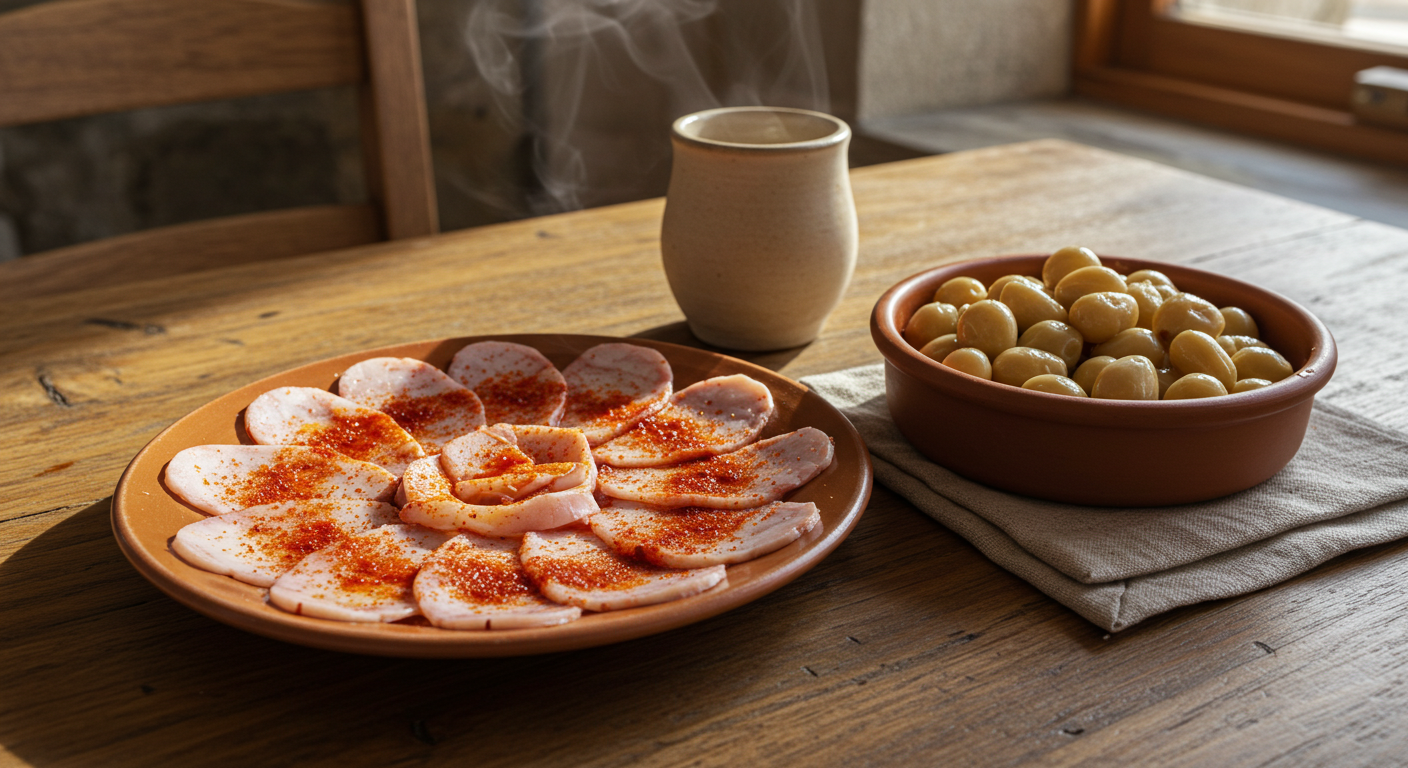
- In Rioja: tapas on Calle del Laurel in Logroño, patatas a la riojana, chuletillas al sarmiento (lamb chops grilled over vine shoots). In Ribera del Duero: lechazo (milk-fed roast lamb) from a wood-fired oven. In Priorat: Catalan mountain cooking — escudella, roast meats, aged cheeses. In Rías Baixas: percebes, centolla, pulpo a feira, and anything else the Atlantic provides that morning.
- Is Priorat wine worth the high price?
- For the top estates — Álvaro Palacios, Clos Mogador, Clos de l'Obac — yes, if you enjoy powerful, age-worthy red wines. But Priorat also has excellent value at the cooperative level: Celler de Capçanes and Clos Galena produce serious wines in the €12–€25 range. You don't need to spend €80 a bottle to understand what makes Priorat distinctive.