Hidden Calas of Spain: Quiet, Crystal-Clear Coves to Escape the Summer Crowds
Discover Spain's most beautiful hidden calas — secluded, crystal-clear coves from Menorca to Galicia where you can actually escape the summer crowds in 2026.
Why Spain's Hidden Calas Are Worth the Effort
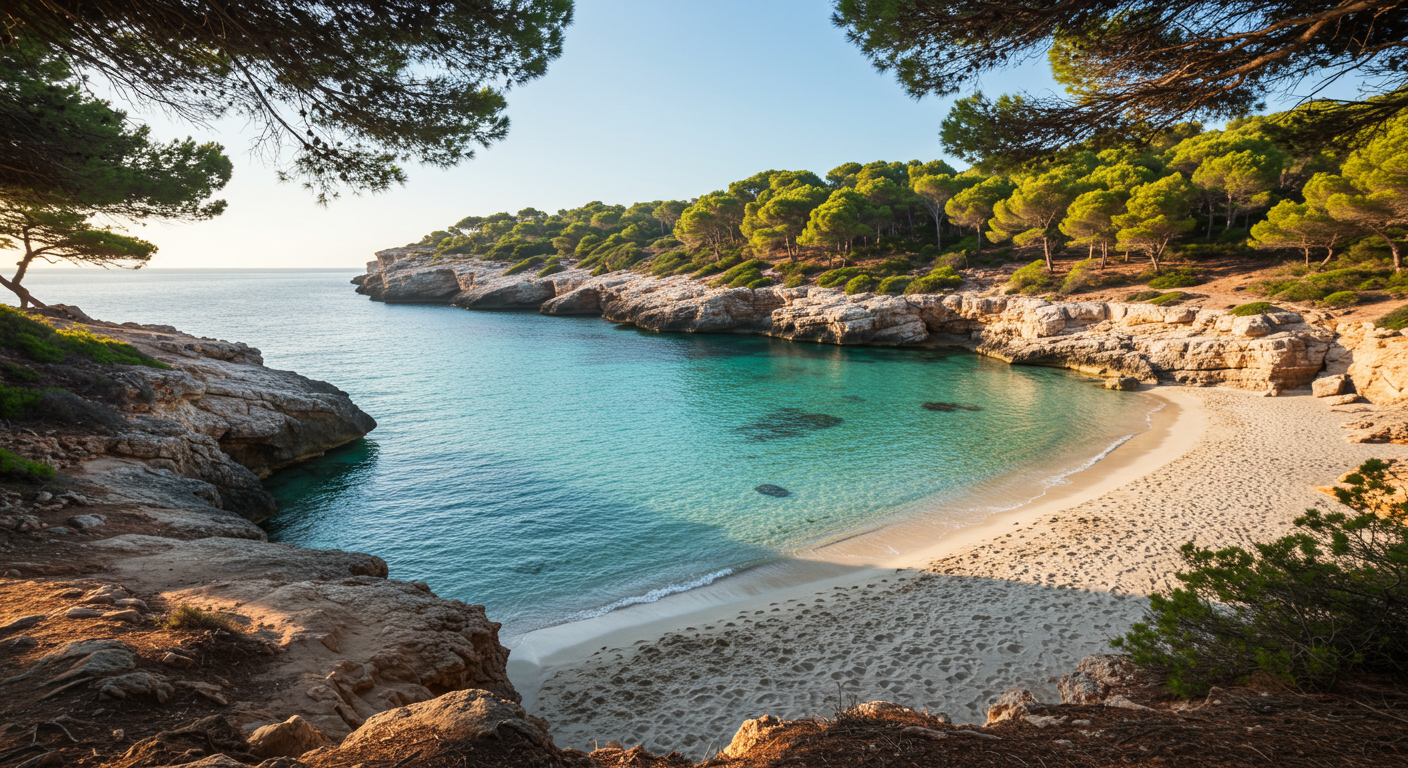
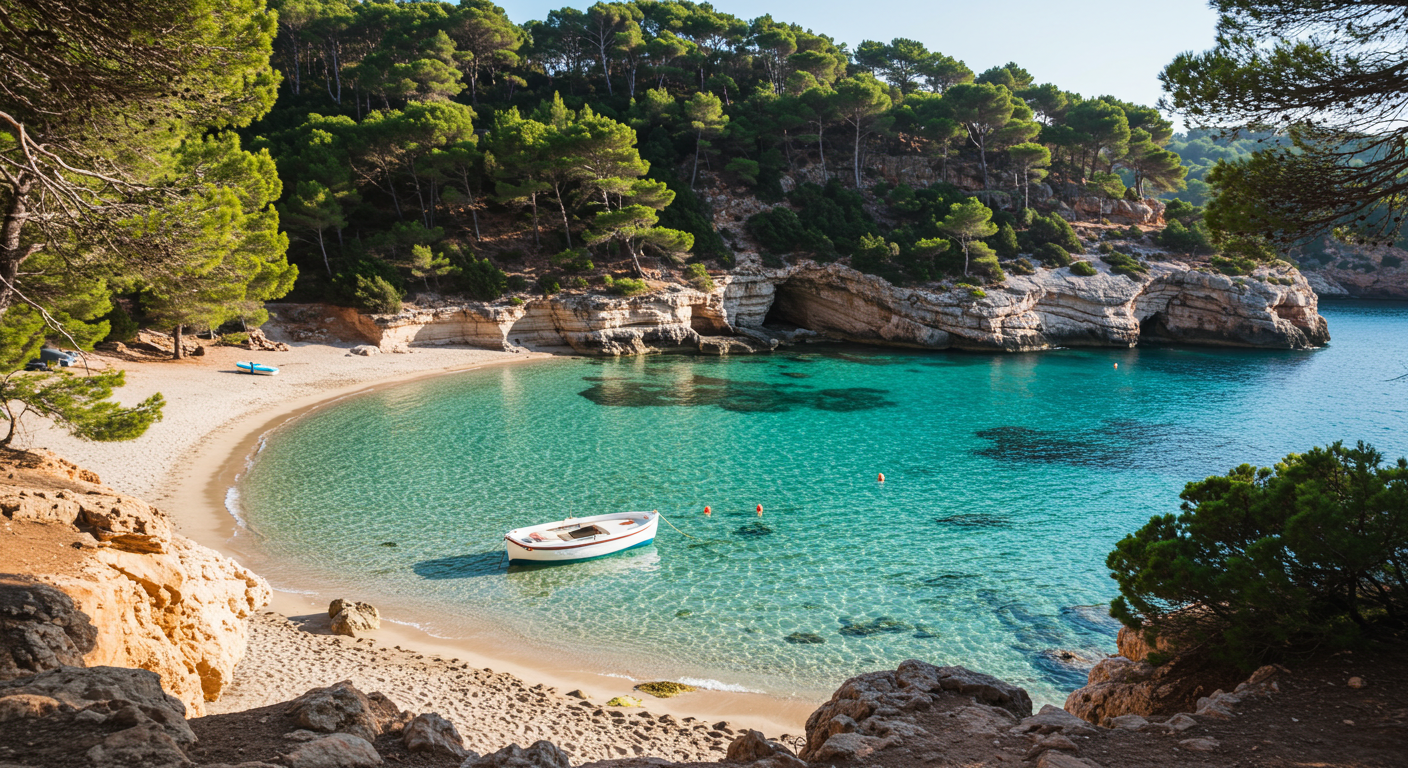
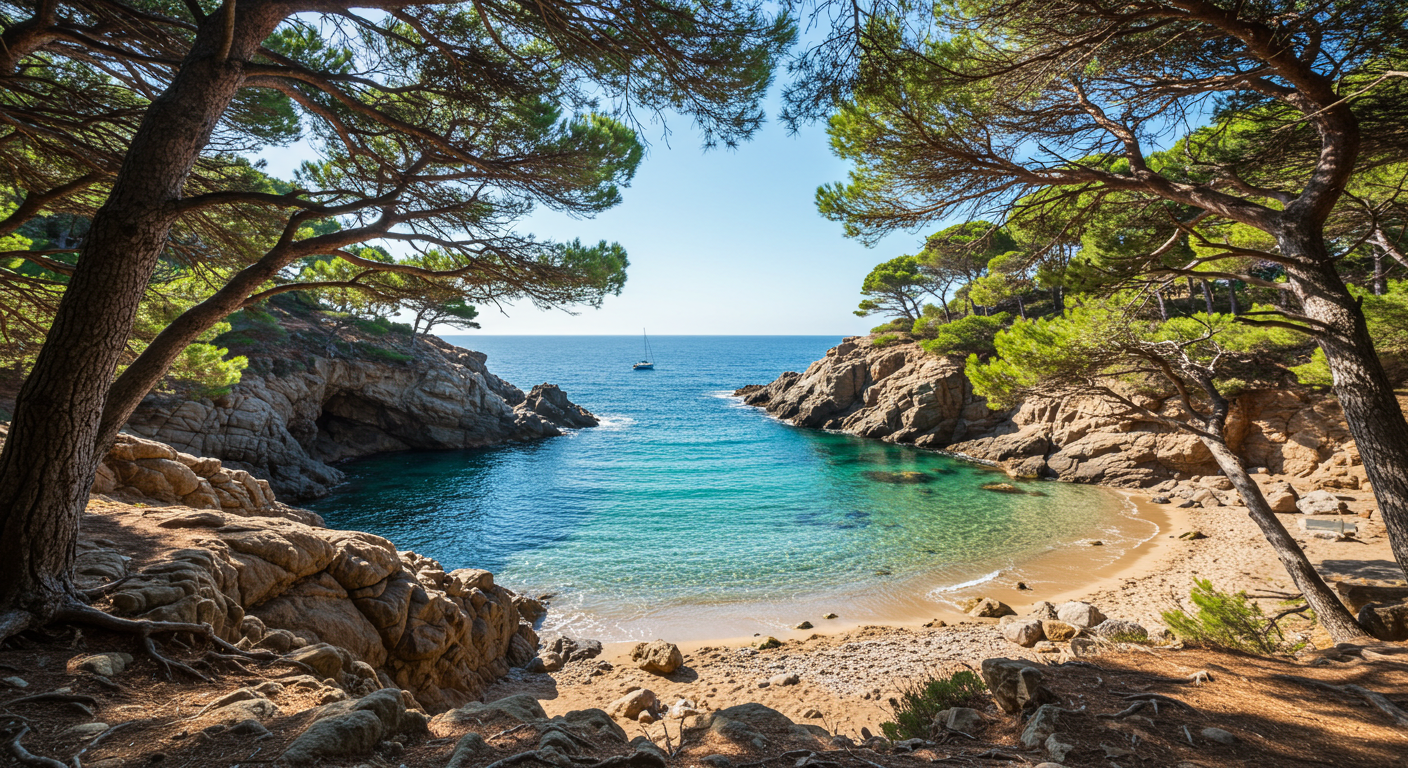
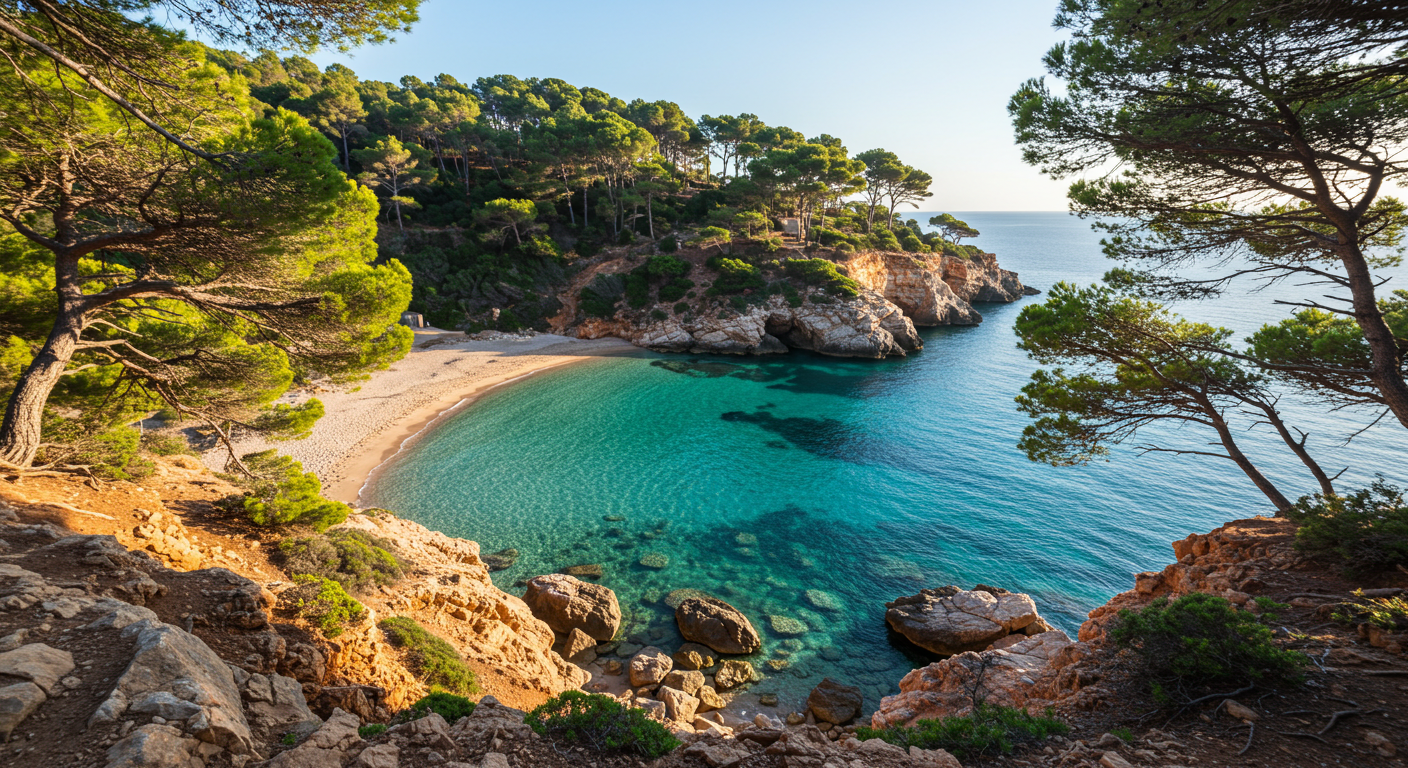
Every summer, millions of visitors funnel onto the same stretches of sand — Barceloneta, the Playa de las Canteras, the Levante in Benidorm — and wonder why Spain feels so crowded. The answer, of course, is that they're looking in the wrong places. Spain has more than 8,000 kilometres of coastline, and tucked into the folds of its cliffs, pine forests and limestone headlands are hundreds of calas: small, sheltered coves where the water runs turquoise-to-emerald, the rock underfoot is pale and warm, and the only sounds are waves and cicadas.
Finding them takes a little more planning than plugging a resort name into a search engine. Some require a short hike, a kayak, or a boat. Others are simply down a track that doesn't appear on most tourist maps. This guide collects some of the finest hidden calas across Spain's coastlines — from the Balearics and the Costa Brava to Galicia and Andalusia — with the practical detail you need to actually get there.
For a broader survey of Spain's best beaches across every region, our coast-by-coast guide for summer 2026 is a useful companion piece.
Menorca: The Island That Hid Its Calas on Purpose
Menorca is, by some margin, the best island in Spain for genuinely hidden coves. Unlike its louder Balearic siblings, Menorca was designated a UNESCO Biosphere Reserve in 1993, and its development has been tightly controlled ever since. The result is a coastline that feels, in places, almost untouched.
Cala Macarelleta
The smaller sibling of the already-lovely Cala Macarell, Macarelleta sits just around a rocky headland on the island's south-west coast. Access is on foot — around 20 minutes from the car park at Cala Macarell, down a pine-shaded path that drops steeply to a cove no wider than 50 metres. The water is a shade of blue that looks digitally enhanced until you're actually swimming in it. As of 2026, there are no facilities whatsoever: bring water, sunscreen, and something to eat. Arrive before 10am in July or August to claim a spot on the rocks.
Cala Pregonda
On Menorca's wild northern coast, Pregonda is one of those places that genuinely rewards effort. The most common approach is a 45-minute walk from the car park near Binimel·là, across a sandy track and over a small headland. The cove itself is backed by reddish dunes and dotted with offshore islets; the water is shallow and clear enough to see the sandy bottom from 20 metres out. There's a seasonal chiringuito — open roughly June to September — but don't rely on it. The northern coast gets more wind than the south, which keeps the water lively and the crowds thinner.
For more on the Balearic Islands' coves and how to plan a longer stay, see our Balearic Islands summer guide.
Costa Brava: Calas Cut Into the Rock
Catalonia's Costa Brava — literally the "wild coast" — runs from Blanes north to the French border, and its geology does all the work. Volcanic and metamorphic rock has been carved by millennia of Mediterranean weather into a series of dramatic headlands and intimate coves. Many are reachable only on foot or by sea.
Cala Culip (Cap de Creus)
Cap de Creus is the easternmost point of the Iberian Peninsula, a national park of lunar, wind-sculpted rock where Salvador Dalí found his landscapes. Cala Culip sits on the park's northern flank: a narrow inlet of dark rock and improbably clear water, accessible via a 30-minute walk from the car park near the Cap de Creus lighthouse. Swimming here feels like being inside a painting. There is a wreck — the Medallion — visible in shallow water near the entrance, which makes it popular with snorkellers. Go on a weekday if you can; weekends in August see the path get busy.
Cala Pola and Cala Bona (Tossa de Mar)
Tossa de Mar is one of the Costa Brava's most visited towns, but most visitors stick to the main beach. A 40-minute walk north along the GR-92 coastal path brings you to Cala Pola and, a little further, Cala Bona — two small, pebbly coves with clear water and a fraction of the crowds. The path is well-marked but involves some scrambling; wear proper shoes rather than flip-flops. Neither cove has facilities, though Tossa itself has everything you need for provisions.
Our Costa Brava hidden calas guide goes deeper into the northern reaches of this coastline, including some coves accessible only by kayak.
Galicia: Atlantic Calas That Feel Like Another Country
Most visitors associate Spain's secret coves with the Mediterranean, but Galicia's Rías Baixas — the drowned river valleys of the Atlantic northwest — contain some of the most beautiful and least-visited beaches in the country. The water is colder (expect 18–20°C in summer, rather than the Mediterranean's 26°C), the light is different, and the landscape is green and dramatic in a way that feels nothing like Andalusia or Catalonia.
Praia de Bicas (Illa de Arousa)
Illa de Arousa is the only inhabited island in the Rías Baixas, connected to the mainland by a bridge. Most visitors drive straight through to the town, missing the small beaches scattered around the island's perimeter. Praia de Bicas, on the island's southern tip, is a crescent of fine white sand backed by pine and eucalyptus, with water that — on a calm, sunny day — turns a convincing shade of turquoise. It's rarely busy even in August. Parking is limited; arrive early or cycle from the town.
Praia de Trece (Costa da Morte)
The Costa da Morte — the "Coast of Death", named for its shipwrecks — runs along Galicia's western edge and is one of the most dramatic and least-touristed coastlines in Spain. Praia de Trece, near Camariñas, is a long, wild, Atlantic-facing beach backed by dunes and scrubland. It's not sheltered in the way a Mediterranean cala is — when the wind is up, the surf can be powerful — but on a calm summer day it's extraordinary: wide, empty, and backed by nothing but sky. The nearest town, Camariñas, is famous for its encaixe de bolillos (bobbin lace) and has a handful of good seafood restaurants.
Andalusia: Calas Between the Cliffs
Andalusia's coastline is more varied than the Costa del Sol's reputation suggests. West of Málaga, the coast urbanises rapidly, but east of the city — along the Axarquía and towards Almería — the cliffs begin, and with them come some of the most dramatic small coves in southern Spain.
Cala de Enmedio (Almería)
The Cabo de Gata-Níjar Natural Park, east of Almería city, is the driest corner of Europe and home to a coastline of volcanic cliffs, black-sand beaches and hidden calas that most international visitors never find. Cala de Enmedio is one of the park's gems: a small, sandy cove accessible via a 20-minute walk from the village of Las Negras. The water is extraordinarily clear — visibility of 10 metres or more is common — and the surrounding cliffs glow amber and ochre in the afternoon light. There are no facilities at the beach itself; Las Negras has a couple of bars and a small supermarket.
Playa del Cañuelo (Tarifa)
Near the tip of continental Europe, between Tarifa and Algeciras, the Los Alcornocales Natural Park meets the sea at a series of small, pebbly coves. Playa del Cañuelo is the most accessible: a 20-minute drive from Tarifa along a rough track (a high-clearance vehicle is advisable), followed by a short walk. The cove is sheltered from Tarifa's famous levante wind by the headland, making it swimmable even when the main town beaches are whitecapped. On a clear day you can see the Moroccan coast across the Strait.
For a broader look at the Málaga coastline, our Costa del Sol summer guide covers the more accessible beaches of the western Andalusian coast.
Valencia and the Costa Blanca: Limestone Calas South of the City
The stretch of coast between Dénia and Jávea (Xàbia) is one of the most rewarding on the Spanish mainland for hidden coves. The Cap de Sant Antoni headland and the limestone cliffs of the Montgó massif create a series of small, sheltered inlets that are a world away from the apartment blocks of Benidorm, just 30 kilometres to the south.
Cala Granadella (Jávea)
Granadella is the jewel of this stretch: a deep, pine-fringed cove with water that shifts from turquoise at the edges to deep blue in the centre, and a small beach of coarse sand and pebbles. There's a seasonal restaurant and a dive centre. As of 2026, access by private car is restricted in high summer (July–August) — a shuttle bus runs from Jávea town centre, which actually helps keep numbers manageable. Go on a weekday morning for the best chance of a quiet spot.
Cala del Moraig (Benitatxell)
A few kilometres north of Moraira, Cala del Moraig is reached via a short but steep path from a small car park. The cove is famous among divers for a sea cave — the Cova dels Arcs — whose entrance sits just below the waterline, and for water of exceptional clarity. It's rocky rather than sandy, which puts off some visitors and keeps it quieter than it deserves. Snorkelling gear is essential.
Our Valencia and Costa Blanca summer guide has more detail on the beaches and coves of this stretch of coast.
Practical Tips for Finding and Visiting Hidden Calas
Getting There Without a Car
Many of the calas listed above are difficult or impossible to reach by public transport. For those planning a longer stay in Spain, renting a small car for a few days — or even a scooter for coastal exploration — is often the most practical solution. Kayak hire is available at most coastal towns and opens up coves that are inaccessible on foot.
Timing Your Visit
The single most effective strategy for avoiding crowds is to arrive early. In July and August, the most popular hidden calas fill up by 10am. Aim to be parked and walking by 8:30am. Alternatively, visit in late afternoon (after 4pm), when day-trippers leave and the light turns golden. June and September offer the best combination of warm water and manageable crowds — water temperatures in the Mediterranean reach 24–26°C by late June and stay there through October.
For advice on managing the heat during peak summer months, our Spanish summer heatwave survival guide has useful practical detail on timing, hydration and shade.
Leave No Trace
Spain's natural parks and protected coastal areas are under genuine pressure. As of 2026, several municipalities — including Jávea and parts of Menorca — have introduced access restrictions, shuttle buses and reservation systems for their most popular calas. Follow local rules, take all rubbish with you, and avoid anchoring on posidonia seagrass beds if you're arriving by boat.
Spain's hidden calas reward the curious and the early-rising. They ask a little more of you than a sunlounger on a resort beach — a walk through pine scrub, an early alarm, a willingness to sit on rock rather than sand — and they give back something that the crowded beaches simply cannot: the feeling of having found a place that is, for a few hours at least, entirely your own.
Frequently asked questions
- What is a cala in Spain?
- A cala is a small, sheltered cove, typically enclosed by rocky headlands or cliffs. The word is used across Spain's Mediterranean coast and the Balearic Islands to describe inlets that are usually calmer, clearer and smaller than open beaches.
- Which region of Spain has the most hidden calas?
- Menorca is widely considered to have the highest concentration of genuinely hidden calas relative to its size, thanks to strict development controls. The Costa Brava in Catalonia and the Cabo de Gata area of Almería are also exceptional for secluded coves.
- When is the best time to visit hidden calas in Spain to avoid crowds?
- June and September offer the best balance of warm water (24–26°C in the Mediterranean) and manageable visitor numbers. In July and August, arriving before 9am or after 4pm makes a significant difference at the most popular spots.
- Do I need a car to reach Spain's hidden calas?
- For most of them, yes — or at least a scooter or bicycle. Some calas near larger towns are served by shuttle buses in high summer (Jávea's Cala Granadella is a good example), and kayak hire is a practical option for reaching coves that are inaccessible on foot.
- Are there entry fees or reservations required for hidden calas in Spain?
- As of 2026, a growing number of protected coastal areas require advance reservations or operate shuttle-bus-only access during July and August. Check the local municipality's website before you travel — Menorca, Jávea and parts of the Cabo de Gata natural park all have access management schemes in place.
- Is it safe to swim in Spain's hidden calas?
- Generally yes — sheltered calas tend to have calm, clear water ideal for swimming and snorkelling. However, most hidden calas have no lifeguard. Check local conditions, be aware of boat traffic in narrow inlets, and never swim alone in remote locations.
- Can I reach hidden calas in Spain by boat or kayak?
- Absolutely, and for some of the most secluded coves it's the only practical option. Kayak hire is widely available at coastal towns throughout the Costa Brava, Menorca, Jávea and Almería. If arriving by motorboat, be careful not to anchor on posidonia seagrass meadows, which are protected under Spanish and EU law.