Slow Travel Barcelona: Gràcia, El Born & the Quieter City
Slow travel Barcelona beyond the Sagrada Família: a real guide to Gràcia, El Born, Sant Pere and the neighbourhoods that reward a longer stay.
Three days in Barcelona and you've done the Sagrada Família, La Boqueria, and the Gothic Quarter. You've also spent most of those three days elbow-to-elbow with everyone else doing the same route. That's a perfectly fine holiday. But it's not really Barcelona.
Slow travel Barcelona beyond the Sagrada Família means staying long enough to have a regular bar, to know which panadería opens earliest on your street, to get mildly irritated by the same scaffolding you walk past every morning. It means Gràcia on a weekday, El Born before noon, Sant Pere when the light goes sideways in late afternoon. This guide is for people who want that version — whether you're spending two weeks here, considering a longer stay, or simply trying to get more out of a week than the standard circuit gives you.
What "Slow Travel Barcelona" Actually Means in Practice
The short answer: slow travel in Barcelona means basing yourself in one neighbourhood, not racing between landmarks, and giving yourself enough time to notice things. That's it. You don't need a manifesto.
In practical terms it means choosing accommodation in Gràcia, El Born, Poblenou or Sant Antoni rather than right on Las Ramblas. It means eating lunch at 2pm when the Spanish eat, not at noon when the tourist menus are half-empty and slightly sad. It means taking the metro one stop and then walking the rest, which in Barcelona is almost always the better choice anyway.
A slower pace also makes a longer stay viable financially. If you're thinking about renting for a month or more — something a growing number of remote workers are doing — Barcelona is manageable but you need to go in with realistic expectations. Renting in Spain without a Spanish payslip is genuinely possible but landlords here are often more demanding than in other Spanish cities, so read up before you start viewing.
Gràcia: The Neighbourhood That Gets It Right
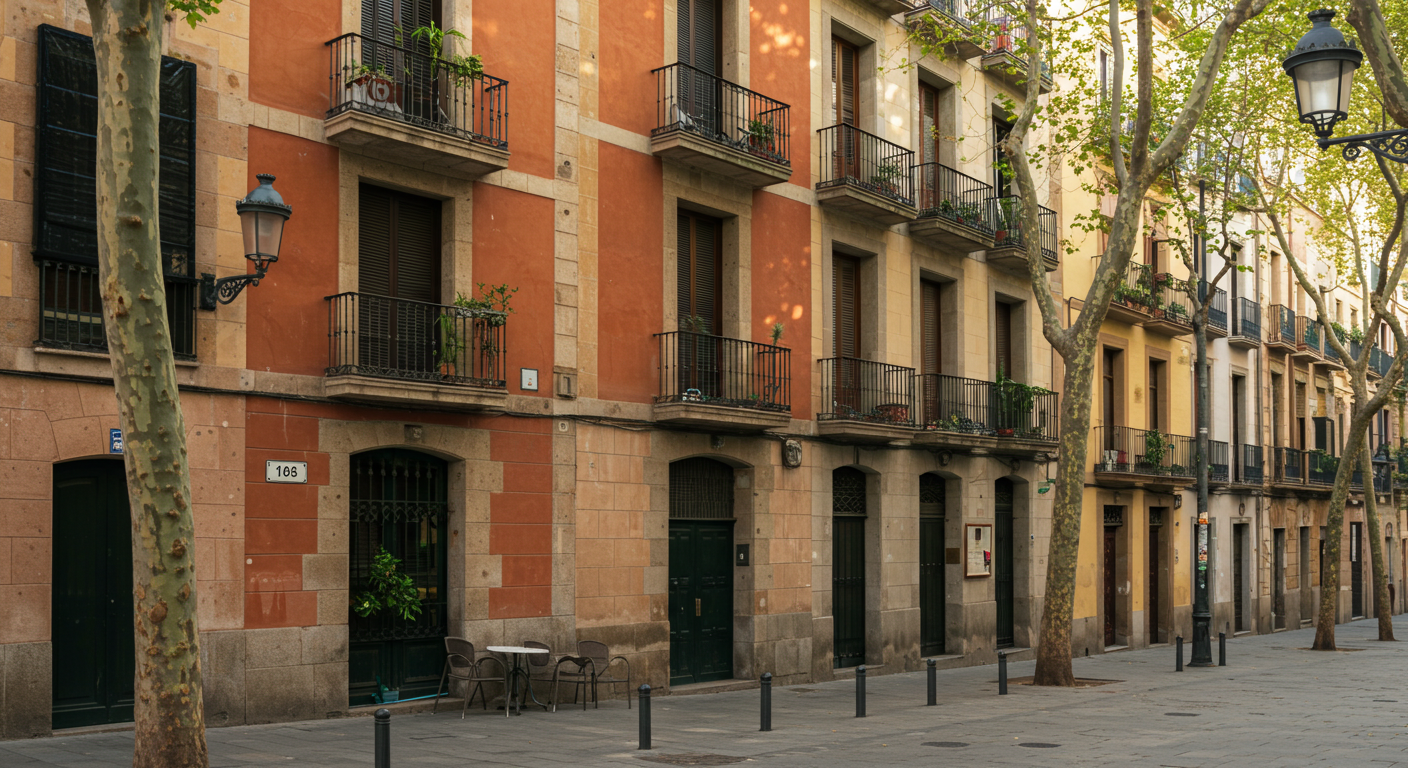
Gràcia sits just above the Eixample grid, and the shift is immediate the moment you cross Carrer de Còrsega. The streets narrow, the buildings drop a floor or two, and the pace drops with them. It was an independent municipality until 1897, and it still carries itself that way — slightly apart, a little proud of it.
The social life here runs through the squares. Plaça del Sol gets the afternoon sun and fills up around 6pm with a crowd that's roughly half local, half long-term expat. Plaça de la Vila de Gràcia — locals just call it Plaça de la Vila — is quieter, better for coffee in the morning. Plaça de la Virreina has the best people-watching and a decent natural wine bar on the corner. Don't bother trying to remember all three on your first visit; you'll find them by accident anyway.
For breakfast, skip anything with a laminated photo menu and look for the small, slightly scruffy cafés that have a handwritten sign for entrepà de truita (tortilla sandwich). Around €2.50 to €3 as of 2026 — still one of Barcelona's better-value morning meals. Bar Canigó on Carrer de Verdi is the kind of place that's been there since the 1920s and doesn't feel the need to tell you about it.
Verdi itself is worth a slow walk. Carrer de Verdi and the streets around it — Carrer de Torrent de l'Olla, Carrer de l'Or — have a concentration of independent bookshops, vintage shops and the sort of record shop where someone will tell you something genuinely interesting if you browse long enough. The Verdi cinema shows films in their original language, which matters if you're spending more than a long weekend.
Where to Eat in Gràcia Without Getting It Wrong
Con Gracia on Carrer de la Mare de Déu de Gràcia does a tasting menu that's exceptional for the price — around €55–65 per person as of 2026 — and it's the kind of place that makes you understand why people move here for the food. Book well ahead.
For something more casual, La Pepita does montaditos (small open sandwiches) that are as good as anything in the city. Queue before 1pm or after 3:30pm, or you'll wait. Skip La Pepita on a Saturday evening — it becomes a different, louder experience.
Gràcia also has a reasonable market, the Mercat de l'Abaceria, though honestly it's more interesting to look at than to shop in for serious cooking. For actual produce, the Mercat de la Llibertat is better and less tourist-heavy than La Boqueria by a considerable margin.
El Born: Beautiful, Yes. Busy, Also Yes. But Worth It
El Born gets a lot of love in travel writing and some of it is deserved. The medieval street layout around the Basílica de Santa Maria del Mar is genuinely beautiful — that church in particular is a masterpiece of Catalan Gothic that most visitors underestimate because they've already exhausted their awe on the Sagrada Família. Go to Santa Maria del Mar on a quiet weekday morning. It costs nothing to enter before a certain hour, the light through the rose window is extraordinary, and there are rarely more than a handful of people inside.
The neighbourhood gets crowded by mid-morning in summer, so the slow travel approach here is timing. El Born before 9am is a different city: delivery bikes, café chairs being set out, the smell of coffee and pastry, almost no tourists. That's when you want to be here.
Passeig del Born itself — the long, tree-lined promenade that gives the neighbourhood its name — is pleasant in the evening but packed on weekends. The streets running off it, particularly Carrer del Rec and Carrer dels Mirallers, are better for unhurried wandering.
The Mercat del Born, the old iron market building that now houses an archaeological site showing the medieval city beneath it, is worth an hour. The archaeology is genuinely interesting and the building itself is remarkable. Entry is around €7 as of 2026, though prices should be verified before you go.
Sant Pere: El Born's Quieter Neighbour
Sant Pere sits directly above El Born and most visitors walk straight through it on the way somewhere else. That's your opportunity. The streets around Carrer de Sant Pere Més Alt and Carrer dels Carders are calmer, the bars charge less, and the Palau de la Música Catalana — one of Domènech i Montaner's extraordinary Modernista buildings — is here rather than in El Born proper. A concert here is one of the best evenings you can have in Barcelona. The building is half the experience; the acoustics are the other half.
Poblenou: The Neighbourhood Nobody Warned You About
If Gràcia and El Born are Barcelona's well-kept secrets that are no longer particularly secret, Poblenou is what they used to be. It's a former industrial district east of the old city, and it still has that texture — wide streets, converted warehouses, the occasional chimney stack from a factory that's been flats for twenty years but hasn't bothered to disguise what it was.
The Rambla del Poblenou is a low-key version of Las Ramblas that actually functions as a neighbourhood high street: locals use it, kids cycle down the middle, the bars have normal prices. Carrer del Pallars has a stretch of creative studios, small restaurants and bars that feel genuinely local. El Tres, a small restaurant on Carrer de la Llull, does a weekday lunch menu for around €12–14 that's as good as anything in the city at twice the price.
Poblenou is also where a lot of the city's digital nomad and remote worker community has quietly settled. If you're thinking about a longer stay and want to understand what that looks like practically — including the administrative side of things — the Spanish Digital Nomad Visa is worth reading up on before you arrive.
Sant Antoni and the Eixample Left: Underrated and Walkable
The Eixample gets dismissed as a grid of tourist hotels and expensive restaurants, which is unfair to its western half. Sant Antoni, technically the lower part of the Eixample Esquerra, has had a quiet transformation over the past decade. The Mercat de Sant Antoni — reopened after years of renovation — is the best market in Barcelona for second-hand books on Sunday mornings, and for fresh produce the rest of the week. The market is genuinely excellent and the surrounding streets have some of the city's better independent restaurants and bars.
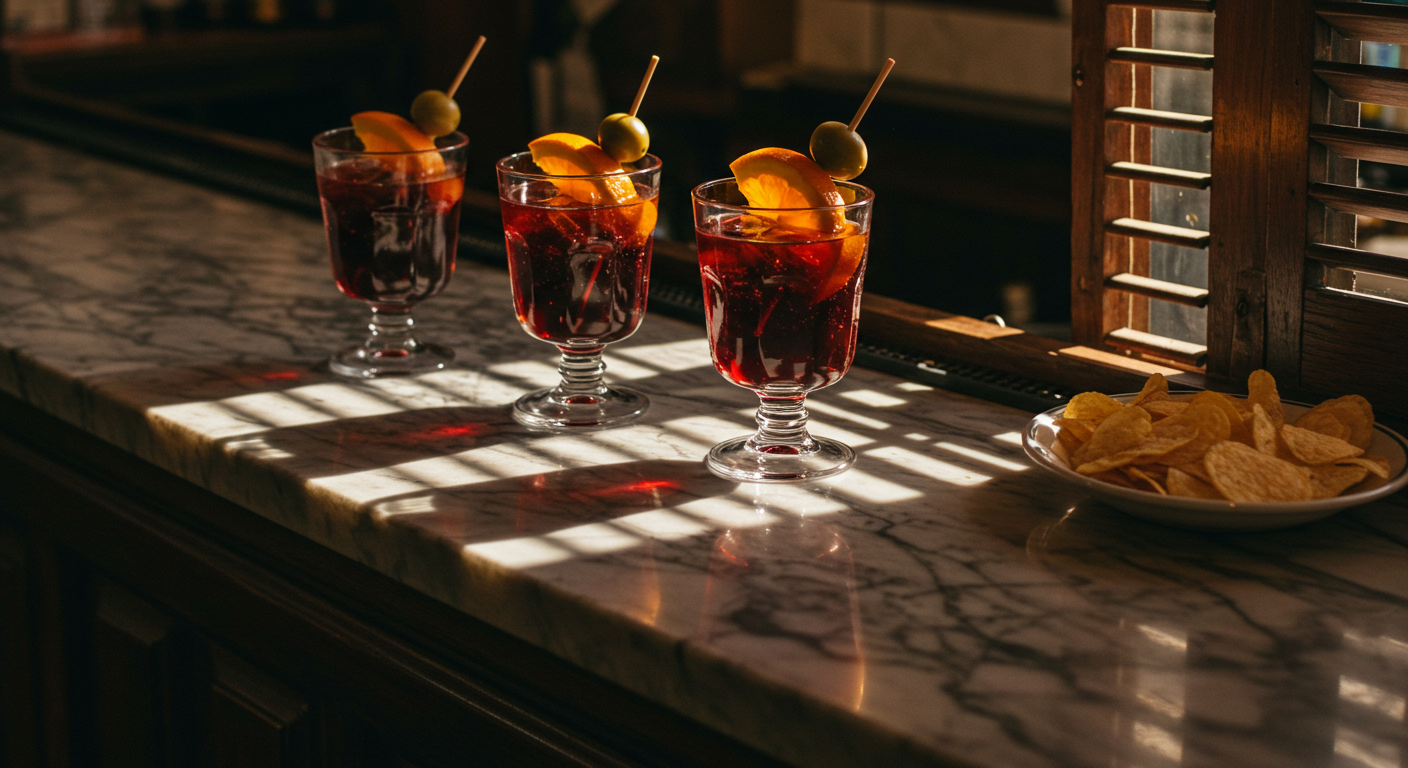
Carrer del Parlament is the spine of this neighbourhood, and on a warm evening it's one of the more pleasurable streets in Barcelona: outdoor tables, a mix of ages, and a pace that isn't frantic. Bar Calders is an institution here; the vermut at midday on a Saturday is a ritual worth joining.
Practical Notes for a Longer Stay
If you're staying beyond a couple of weeks, a few things become relevant that a short-stay tourist doesn't need to think about.
Getting a Spanish bank account makes daily life considerably easier — paying for utilities, setting up a gym membership, dealing with any administrative requirements. Opening a Spanish bank account as a non-resident is more straightforward than it used to be, though the process varies by bank.
For stays of any real length, getting your empadronamiento (local registration) sorted is worth doing — it unlocks various services and is a prerequisite for several official processes. If your rental situation is complicated, registering without a standard rental contract is possible and the options are more varied than most people realise.
Healthcare is another practical concern for anyone spending significant time here. If you're between official residency statuses, knowing what cover you actually have before your documents arrive is important rather than something to figure out when you need it.
The Barcelona Nobody Photographs
There's a version of Barcelona that doesn't make it onto anyone's Instagram grid: the stretch of Carrer de Sants on a Tuesday afternoon, the municipal swimming pool in Poble Sec that costs €5 a session and has a view of the city that frankly embarrasses most rooftop bars. The old men playing petanca in the Ciutadella park on a Sunday morning, ignoring the joggers and the tourists completely.
This is the city that rewards staying longer. Not staying longer doing more things — staying longer doing fewer things more slowly. Barcelona is good at that, if you let it be.
The best practical tip I can give: pick one neighbourhood, find one café where they remember your order by day three, and stop planning quite so much. The city will do the rest.
Frequently asked questions
- Which Barcelona neighbourhood is best for slow travel and longer stays?
- Gràcia is the most liveable for a longer stay — it has the best mix of independent shops, squares, local bars and a genuine neighbourhood feel without being too far from the centre. Poblenou is a strong second option, particularly if you want more space and lower prices. El Born is beautiful but gets very busy by mid-morning in summer.
- Is Barcelona too touristy for slow travel?
- The central areas — Las Ramblas, the Gothic Quarter, La Boqueria — are extremely tourist-heavy. But Barcelona is a large, complex city and neighbourhoods like Gràcia, Sant Antoni, Poblenou and Sant Pere feel genuinely local. The key is where you base yourself and what time of day you move around. Early mornings and weekday afternoons make a significant difference.
- How much does it cost to eat well in Barcelona without spending a fortune?
- A weekday lunch menu (*menú del día*) in a non-tourist neighbourhood like Poblenou or Gràcia runs around €12–15 for two courses, bread, drink and sometimes dessert as of 2026. Breakfast at a local bar — coffee and a pastry or tortilla sandwich — is €2.50–4. Dinner out at a mid-range restaurant is typically €25–40 per person with wine. Eating at the tourist-facing places near La Boqueria or the Gothic Quarter will cost noticeably more for noticeably less.
- Can you get around Barcelona without a car?
- Easily. The metro covers most of the city well, and Barcelona is one of the most walkable large cities in Europe — the Eixample grid in particular is designed for it. For Gràcia, El Born, Sant Pere and Poblenou, you'll walk most places once you're based there. The T-Casual metro card (10 trips) is the most practical option for visitors; single fares are more expensive and rarely worth it.
- What's the best time of year for slow travel in Barcelona?
- April–June and September–October are the sweet spots. The weather is genuinely good, the city is busy but not overwhelmed, and the locals haven't fled for the coast. July and August are hot (often above 30°C), very crowded, and a significant chunk of neighbourhood businesses close for August. January and February are quiet and mild by northern European standards — around 12–15°C — and the city is almost entirely yours, though some smaller places have reduced hours.
- Is Barcelona a good base for remote workers and digital nomads?
- Yes, with caveats. The infrastructure is excellent — fast internet is easy to find, there are good co-working spaces, and the quality of life is high. The downsides are cost (Barcelona is one of Spain's more expensive cities for rent) and the administrative complexity of staying longer term. Spain's Digital Nomad Visa is an option worth exploring if you're planning more than a few months.
- What's actually worth seeing in El Born beyond the obvious?
- The Basílica de Santa Maria del Mar is genuinely one of the best buildings in Barcelona and is consistently underrated compared to the Sagrada Família — go on a quiet weekday morning. The Mercat del Born archaeological site is worth an hour if you have any interest in medieval history. The streets around Carrer del Rec have some of the city's better small galleries and independent shops. And the Palau de la Música Catalana, technically in Sant Pere just above El Born, is extraordinary — a concert there is one of the best evenings the city offers.